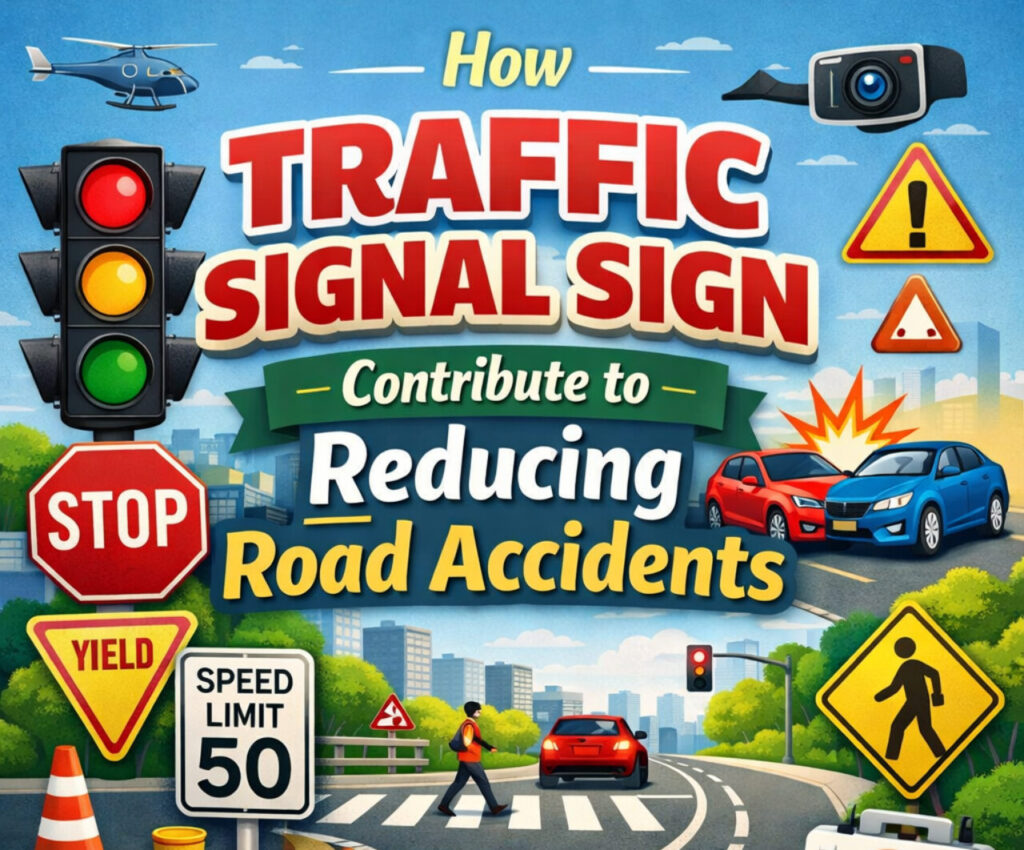
Traffic management is the backbone of modern infrastructure, and the role of a traffic signal sign extends far beyond simple instruction. These devices are critical for enforcing order, preventing collisions, and ensuring the seamless flow of vehicles and pedestrians. As urbanization accelerates and vehicle ownership rises globally, the demand for robust road signs and signals has reached unprecedented levels. For wholesalers and municipalities, understanding the direct correlation between high-quality signage and accident reduction is essential for making informed procurement decisions. The market is shifting towards solutions that offer not just compliance, but long-term durability and customization to meet specific regional needs.
The integration of advanced road traffic symbols into a cohesive traffic management system serves as the first line of defense against road chaos. When these signs are manufactured with precision and installed strategically, they mitigate the risks of right-angle crashes, pedestrian accidents, and intersection collisions. The focus for 2025 and beyond is not merely on placing signs but on optimizing their visibility, retroreflectivity, and structural integrity. This report explores the pivotal role of these safety assets, emphasizing why wholesale investment in superior signage technology is a critical step toward safer roadways.
Recent 2025 statistics indicate that intersections with optimized signalization and clear signage see a reduction in accident rates by approximately 25% compared to unregulated junctions. This data underscores the necessity for B2B buyers to prioritize quality over cost when sourcing traffic signal sign inventory. As we look toward 2026 market insights, industry analysts predict a surge in demand for smart, customizable signage solutions that integrate with intelligent traffic systems. Businesses that adapt to these trends by offering comprehensive, high-grade road signs and signals will position themselves as leaders in the infrastructure safety sector.
Effective traffic management relies on the clarity and universality of road traffic symbols. These symbols communicate instantaneously with drivers, transcending language barriers to deliver urgent safety messages. For wholesale suppliers and urban planners, the objective is clear: to deploy signage that commands attention and guides behavior instinctively.
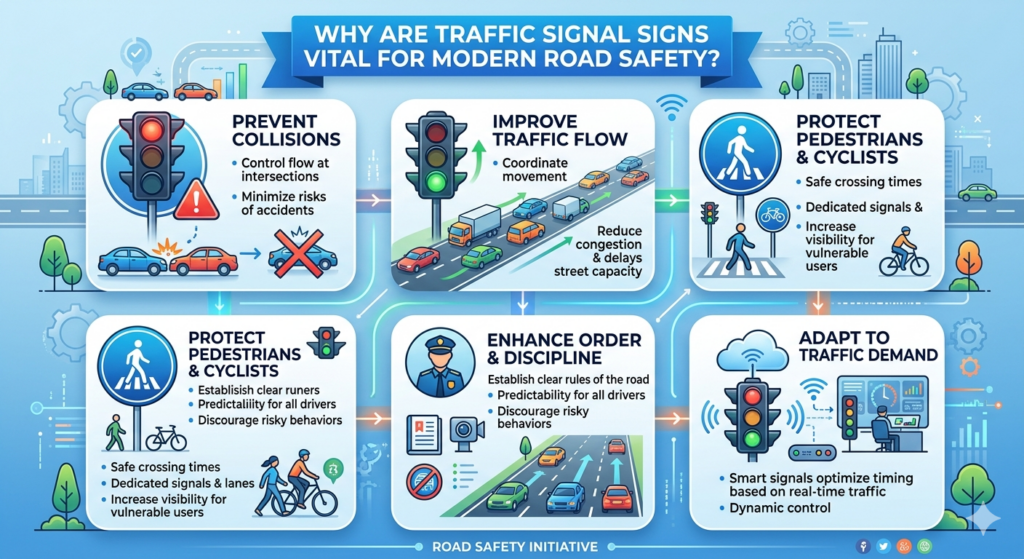
1. Why Are Traffic Signal Signs Vital for Modern Road Safety?
The necessity of a traffic signal sign in contemporary transportation networks cannot be overstated. As road networks become more complex, the potential for confusion—and subsequently, accidents—increases significantly. These signs provide the regulatory framework that dictates right of way, speed limits, and potential hazards. Without clear, high-visibility road signs and signals, the likelihood of driver error rises sharply, leading to dangerous collisions. For B2B clients, ensuring that the supplied products meet rigorous safety standards is not just a matter of compliance, but a moral obligation to public safety.
Road traffic symbols function as the silent guardians of the roadway, offering critical information at a glance. In the split-second decisions that drivers make, the clarity of a sign can be the difference between a safe commute and a catastrophic event. High-quality manufacturing processes ensure that these symbols remain legible under various weather conditions, from torrential rain to blinding fog. Wholesalers must recognize that the durability and reflectivity of these materials are key selling points for municipal buyers who prioritize longevity and performance in their safety infrastructure.
The psychological impact of well-placed signage is profound. Drivers subconsciously adjust their behavior when they encounter authoritative traffic signal sign installations, slowing down or stopping as required. This behavioral modification is the primary mechanism through which accidents are reduced. By offering customizable solutions that cater to specific local traffic patterns, suppliers can help city planners engineer safer environments. The trend in 2025 is moving towards signage that not only informs but actively influences driver psychology through better design and placement strategies.
Market projections for 2026 suggest a growing demand for road signs and signals that incorporate higher visibility standards and smart materials. As governments worldwide tighten safety regulations, the wholesale market must respond with products that exceed these minimum requirements. Investing in advanced road traffic symbols that resist fading and maintain structural integrity ensures a higher return on investment for clients. Ultimately, the vitality of these signs lies in their ability to provide consistent, reliable guidance that prevents accidents before they happen.
1.1. How Do Traffic Signal Signs Regulate Complex Intersections?
Intersections are notoriously high-risk zones where multiple streams of traffic and pedestrians converge. A traffic signal sign plays a decisive role in managing these complex points by establishing a clear hierarchy of movement. By assigning specific time slots and right-of-way rules to different lanes, these signs prevent the chaotic overlap that often leads to broadside collisions. For wholesale buyers, understanding the specific needs of intersection management is crucial for recommending the right mix of regulatory and warning signs to clients.
The implementation of road signs and signals at intersections reduces the cognitive load on drivers. Instead of guessing who should go first, motorists rely on explicit, universally understood instructions provided by road traffic symbols. This clarity is particularly vital in high-traffic urban areas where the margin for error is minimal. Customization options, such as larger size or specific LED backlighting, are increasingly sought after to enhance visibility in congested metropolitan areas, presenting a significant opportunity for specialized wholesalers.
Advanced traffic engineering relies heavily on the precise synchronization of signage. When a traffic signal sign is integrated effectively with road markings and traffic lights, it creates a seamless flow of traffic that minimizes stopping and starting, thereby reducing rear-end collisions. The 2025 data shows that intersections equipped with comprehensive, multi-layered signaling systems experience fewer incidents of road rage and aggressive driving, as the rules of engagement are indisputable.
Looking ahead to 2026, the integration of smart technology with traditional road signs and signals is set to revolutionize intersection management. While the physical road traffic symbols remain the standard, the materials and coatings used are evolving to support better sensor interaction and visibility. Suppliers who can provide these next-generation, customizable intersection solutions will find themselves at the forefront of the infrastructure safety market, directly contributing to the reduction of urban accidents.
1.2. Why Do Standardized Road Traffic Symbols Reduce Driver Confusion?
Standardization is the cornerstone of effective traffic management. When drivers encounter road traffic symbols, their immediate recognition depends on the consistency of the design, color, and shape. A traffic signal sign that deviates from international standards can create momentary hesitation, a dangerous delay at high speeds or busy intersections. For wholesalers, adhering to standardized specifications—such as those set by the Manual on Uniform Traffic Control Devices (MUTCD)—is essential for ensuring product acceptance and efficacy in global markets.
The uniformity of road signs and signals fosters a predictable driving environment. Whether a driver is in New York, London, or Tokyo, the meaning of a red octagon or a yellow triangle remains constant. This universal language of safety is critical for reducing accidents, particularly for commercial drivers and tourists who may be unfamiliar with local roads. By stocking standardized road traffic symbols, wholesalers provide their clients with the tools needed to maintain this consistency, thereby eliminating ambiguity on the roads.
Customization within the bounds of standardization is a growing niche. While the core traffic signal sign design must remain recognizable, there is a high demand for custom reflectivity levels and specific mounting hardware that suits local infrastructure. For instance, regions prone to extreme weather require signs that maintain standard visibility under snow or sand. Addressing these specific needs while keeping the symbol standard allows suppliers to offer value-added products that enhance safety without compromising familiarity.
Recent industry analysis in late 2025 confirms that confusion due to non-standard signage is a leading cause of intersection mishaps in developing regions. As these areas upgrade their infrastructure, the demand for compliant road signs and signals is skyrocketing. B2B buyers are urged to source products that strictly follow international road traffic symbols guidelines to ensure their inventory meets the rising safety expectations of the 2026 global market, ultimately contributing to a safer, more predictable driving experience.
1.3. Which Factors Influence the Effectiveness of Road Signs and Signals?
The effectiveness of a traffic signal sign is determined by a combination of material quality, placement strategy, and environmental adaptability. A sign that is poorly placed or constructed from inferior materials will fail to convey its message, rendering it useless in accident prevention. For wholesale suppliers, emphasizing the quality of raw materials—such as high-grade aluminum and UV-resistant reflective sheeting—is a key differentiator. These factors ensure that road signs and signals remain visible and intact for years, even in harsh conditions.
Placement is equally critical to the performance of road traffic symbols. Signs must be positioned at the optimal height and angle to catch the headlights of approaching vehicles and be visible to pedestrians. Incorrect placement can lead to sight-line obstructions, giving drivers insufficient time to react to warnings. Suppliers offering customizable mounting solutions and expert consultation on sign placement provide immense value to municipal and commercial clients, directly impacting the effectiveness of the traffic safety infrastructure.
Technological advancements are also influencing effectiveness. The modern traffic signal sign often incorporates prismatic reflective technology that boosts visibility at night, a crucial factor for reducing nighttime accident rates. As we move into 2026, the market is seeing a shift towards “smart” signs that can change their messaging or reflectivity based on ambient light conditions. Wholesalers who stay ahead of these trends can offer cutting-edge road signs and signals that significantly outperform older models.
Finally, maintenance and ease of installation play a role in long-term effectiveness. Clients are increasingly looking for road traffic symbols that are easy to install and require minimal maintenance. By focusing on durable, modular designs that allow for quick replacement of face sheets or components, wholesalers can help municipalities maintain a high standard of road safety. This proactive approach to maintenance ensures that the traffic signal sign remains a potent tool for accident reduction over its entire lifecycle.
2. How Do Traffic Signal Signs Enhance Pedestrian Safety?
Pedestrian safety is a primary concern in urban planning, and the traffic signal sign serves as a critical mediator between vehicular traffic and foot traffic. Crosswalks, school zones, and busy intersections rely heavily on clear signaling to prevent pedestrian-vehicle collisions. A well-placed sign commands the attention of drivers, alerting them to the presence of vulnerable road users. For B2B suppliers, specializing in high-visibility pedestrian signage is a strategic move, given the increasing urban focus on walkable cities and reduced speed limits in residential areas.
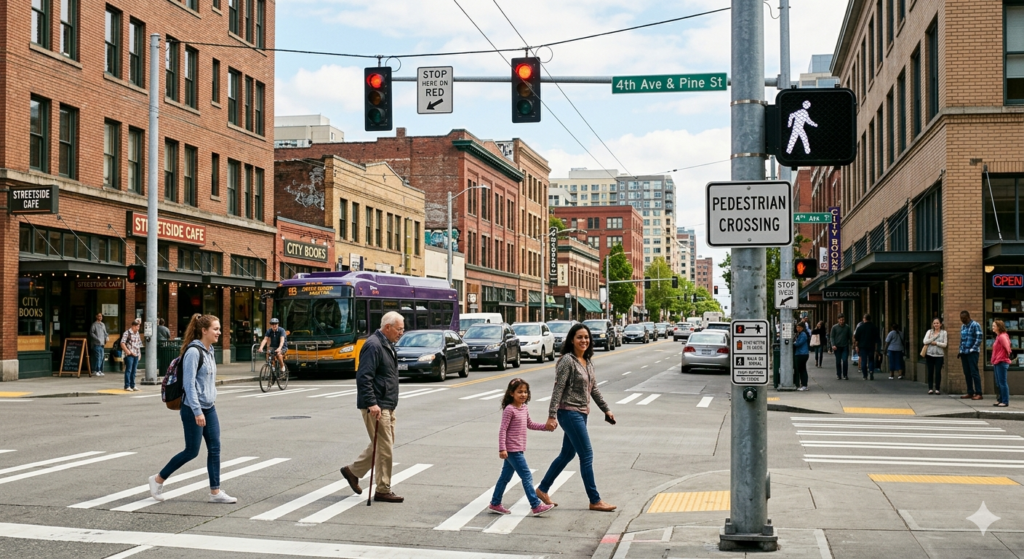
The integration of specific road signs and signals designed for pedestrians, such as pedestrian crossing indicators and school zone warnings, creates designated safe spaces. These signs effectively alter driver behavior, prompting them to slow down and yield. The clarity of road traffic symbols depicting pedestrians is vital; they must be instantly recognizable to avoid ambiguity. Wholesalers offering customizable options, such as larger pedestrian symbols or flashing LED borders, cater directly to the needs of safety-conscious municipalities aiming to reduce accident rates in high-traffic zones.
Statistics from 2025 highlight a correlation between upgraded pedestrian signaling and a significant drop in injury accidents at crosswalks. Cities that have invested in modern, highly reflective traffic signal sign solutions report greater compliance from drivers. This trend is expected to grow through 2026, with urban planners demanding more robust road signs and signals that withstand the wear and tear of busy city environments while providing maximum visibility to protect pedestrians.
Enhancing pedestrian safety also involves adapting to the specific needs of a location. For example, signage near retirement communities or schools may require different visual treatments than those on highways. By providing tailored road traffic symbols and signage solutions, wholesalers can address these unique challenges. The focus is on creating an environment where the safety of the pedestrian is prioritized through superior, custom-designed signage that leaves no room for driver misinterpretation.
2.1. Why Are Customizable Pedestrian Crossing Signs Essential for High-Risk Zones?
High-risk zones, such as intersections near schools, parks, and hospitals, experience a high volume of foot traffic, necessitating specialized safety measures. A standard traffic signal sign may not always suffice in these areas. Customizable pedestrian crossing signs allow for enhanced features like fluorescent yellow-green backgrounds, which have been proven to catch attention faster than traditional colors. For wholesalers, offering these high-performance variants is essential for meeting the stringent safety demands of 2025 infrastructure projects.
Road signs and signals in high-risk zones must communicate urgency. Customization can include larger sizes, double-sided messaging, and the incorporation of LED flashing beacons to ensure the sign is seen even in distracted driving scenarios. The use of distinct road traffic symbols that emphasize children or families can trigger a more cautious psychological response from drivers. Suppliers who can provide these tailored solutions enable their clients to significantly mitigate the risk of severe accidents in sensitive areas.
In contrast, custom-designed traffic signal sign installations break the visual monotony, forcing drivers to take notice. Market insights for 2026 suggest that liability concerns are driving municipalities to invest in the highest level of protection possible for high-risk zones. Consequently, the demand for premium, customizable road signs and signals is at an all-time high.
Furthermore, the ability to customize allows for the inclusion of specific text or pictograms relevant to the location, such as “Deaf Child Area” or “Blind Pedestrian Crossing.” This level of specificity in road traffic symbols enhances safety by informing drivers of specific hazards.
2.2. How Do Reflective Road Traffic Symbols Prevent Nighttime Accidents?
Nighttime driving presents unique challenges, with reduced visibility being a leading cause of accidents. A traffic signal sign equipped with high-performance reflective materials ensures that safety messages are conveyed clearly even in the darkest conditions. Retroreflectivity is the key property that bounces vehicle headlights back to the driver, making the sign appear luminous. For wholesale buyers, stocking signs with various grades of reflectivity—such as Engineer, High Intensity, or Diamond Grade—is crucial for catering to different road safety requirements.
The effectiveness of road signs and signals at night hinges on the quality of the reflective sheeting used. Premium road traffic symbols utilize microprismatic technology that offers superior brightness and wider angles of visibility compared to older glass bead technologies. This advancement means that signs are visible from greater distances, giving drivers ample time to react. As we progress through 2025 and into 2026, the industry standard is shifting towards these high-intensity materials to combat the rising rates of nighttime accidents.
Customization plays a role here as well. Clients in rural or unlit areas may require the highest level of reflectivity available, whereas well-lit urban tunnels might need different specifications. By understanding these needs, wholesalers can recommend the appropriate traffic signal sign products for each environment. The goal is to ensure that regardless of the lighting conditions, the road signs and signals remain effective tools for preventing collisions and guiding traffic safely.
Recent data suggests that a significant percentage of pedestrian fatalities occur during twilight or nighttime hours. Upgrading to road traffic symbols with advanced reflective capabilities is a direct and effective countermeasure. This creates a strong business case for wholesalers to promote high-visibility signage as a vital upgrade for their clients. By ensuring signs are seen at night, suppliers play a direct role in saving lives and enhancing the overall safety of the road network.
2.3. Which Wholesale Options Are Available for Municipal Pedestrian Safety Projects?
Municipalities undertaking large-scale safety projects often require a wholesale approach to procurement. Buying a traffic signal sign in bulk allows for cost savings while ensuring uniformity across the city’s infrastructure. Suppliers offering wholesale contracts typically provide a wide range of road signs and signals, from standard stop signs to specialized pedestrian crossing indicators. This one-stop-shop capability is highly valued by city planners looking to streamline their supply chains and maintain consistency in their road traffic symbols.
For large projects, customization at the wholesale level becomes a key competitive advantage. Municipalities may require specific branding, unique color codes, or bilingual text to serve diverse communities. A traffic signal sign manufacturer capable of producing these custom orders in bulk is an invaluable partner. The trend in 2025 is towards comprehensive procurement packages that include the signs, the posts, and the installation hardware, all tailored to the specific safety goals of the project.
2026 market insights indicate that government budgets for infrastructure are increasingly focused on “complete streets” initiatives that prioritize pedestrians and cyclists. Wholesalers who can anticipate these needs and stock relevant road signs and signals will secure lucrative contracts. This includes offering flexible shipping, volume discounts, and just-in-time delivery to support the phased rollout of municipal safety upgrades.
Moreover, wholesale suppliers must ensure their inventory complies with the latest federal and state regulations regarding pedestrian safety. By guaranteeing that every traffic signal sign meets or exceeds MUTCD or local standards, wholesalers build trust with their B2B clients. Providing detailed product specifications and compliance documentation simplifies the purchasing process for municipalities, ensuring that the deployment of road traffic symbols contributes effectively to the reduction of road accidents.
3. Why Is Customization Critical for Effective Traffic Signal Signage?
Customization in the realm of traffic management is no longer a luxury; it is a necessity for addressing specific local challenges. A generic traffic signal sign may effectively communicate a standard message, but it often fails to account for unique road geometries, local traffic laws, or specific environmental conditions. Customization allows for the adaptation of font sizes, materials, and messaging to suit the exact context of the installation site. For wholesalers, offering bespoke solutions is the key to differentiating their offerings in a competitive market and deeply satisfying client needs.
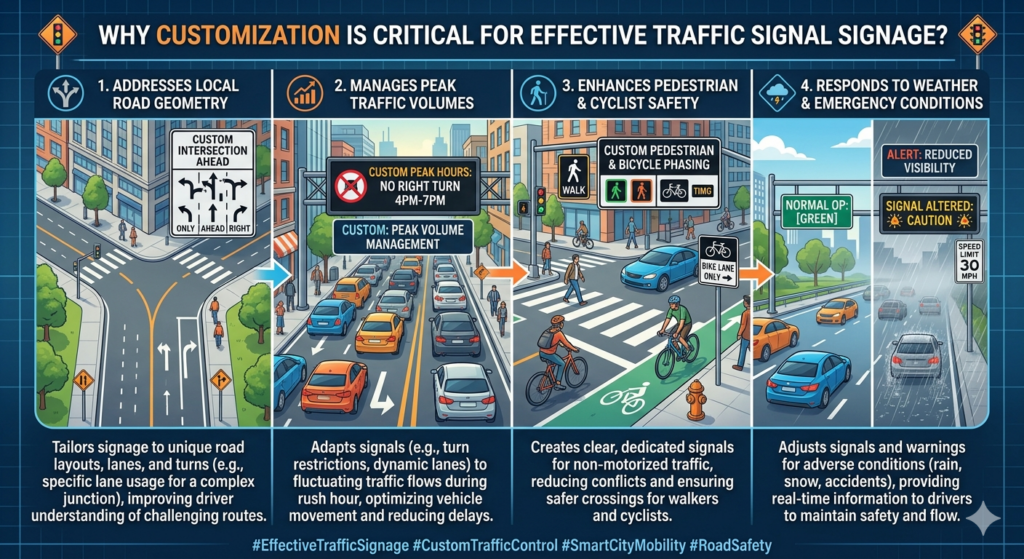
Road signs and signals must often contend with local variables such as high wind loads, extreme temperature fluctuations, or specific urban aesthetic requirements. Standard signs might degrade quickly or clash with the city’s design language. Custom fabrication allows for the use of heavier gauge aluminum, specialized coatings, or designer color palettes that maintain the integrity of road traffic symbols while fitting the local environment. This tailored approach ensures that the signs remain effective and durable for longer periods.
A traffic signal sign in a smart district might need to integrate with sensors or display variable messages. Wholesalers who can provide these advanced, custom-engineered products position themselves as essential partners in modern infrastructure development.
By 2026, the expectation is that traffic signage will be fully integrated into the architectural and functional planning of urban spaces. This means road signs and signals must be adaptable. Suppliers that excel in custom manufacturing enable their clients to solve specific safety problems—whether it is a blind curve requiring an extra-large warning sign or a school zone needing a unique flashing system. Customization directly translates to better visibility, better compliance, and ultimately, fewer accidents.
3.1. How Does Custom Sizing and Placement Improve Visibility?
Visibility is the primary function of any traffic signal sign, and one size does not fit all. In areas with high-speed limits, larger signs are necessary to ensure they can be read and processed by drivers from a safe distance. Conversely, in tight historic districts with narrow streets, oversized road signs and signals might be physically obstructive or visually overwhelming. Custom sizing ensures that the sign is perfectly proportioned to its environment, maximizing its impact without causing new hazards.
Strategic placement is equally important. A sign placed too low might be obscured by vegetation or other vehicles; placed too high, it might fall outside the driver’s natural line of sight. Custom mounting solutions allow for the precise positioning of road traffic symbols to achieve optimal visibility. Wholesalers that offer a variety of post heights, arm extensions, and foundation types empower their clients to install signs exactly where they are needed most.
The 2025 focus on traffic safety includes a rigorous analysis of “sight triangles” at intersections. Custom-sized signs play a crucial role in these assessments, ensuring that the message is conveyed clearly within the driver’s field of view. As we look to 2026, the use of photometric analysis to determine the ideal size and placement of a traffic signal sign is becoming standard practice. Suppliers involved in this process add significant value to their B2B relationships.
Furthermore, custom sizing can accommodate specific visual impairments or the needs of an aging population. Larger, higher-contrast road traffic symbols are easier to read for everyone, reducing reaction times. By promoting custom sizing as a safety feature, wholesalers help their clients create an inclusive road environment. This attention to detail in the sizing and placement of road signs and signals demonstrates a commitment to reducing accidents through superior design and engineering.
3.2. Why Should Businesses Opt for Branded or Unique Road Signs and Signals?
For private entities, industrial parks, and campuses, unique road signs and signals serve a dual purpose: safety and identity. A corporate campus might require signage that directs traffic while also reinforcing brand colors or logos. A traffic signal sign customized with corporate branding can enhance the aesthetic appeal of the facility while maintaining strict safety standards. For wholesalers, tapping into the B2B market for private property safety signage opens up significant revenue streams beyond public municipal contracts.
In complex industrial environments, standard highway signs might not cover the specific risks present, such as heavy machinery crossing or hazardous material zones. Custom road signs and signals can be designed with specific pictograms and warnings that are relevant only to that site. This level of specificity is crucial for preventing accidents in workplaces where the general rules of the road do not apply. Tailored road traffic symbols ensure that drivers are aware of site-specific hazards immediately.
The trend in 2025 is towards “place-making,” where the infrastructure contributes to the identity of a space. Unique signage contributes to this by guiding visitors while creating a cohesive visual experience. By 2026, we expect to see more private developments seeking custom traffic signal sign solutions that blend seamlessly with their architectural design. Wholesalers who offer graphic design services alongside their sign manufacturing can capitalize on this growing demand for branded safety infrastructure.
Ultimately, opting for unique signage is about control. Businesses and organizations gain control over the message, the look, and the safety level of their environment. Whether it is a shopping mall managing parking lot traffic or a large university regulating campus roads, custom road signs and signals provide the tools necessary for effective management. This bespoke approach ensures that safety measures are not generic add-ons, but integral parts of the organization’s operational strategy.
3.3. Which Materials Offer the Best Durability for Custom Traffic Solutions?
Durability is the most critical factor in the lifecycle cost of a traffic signal sign. Signs constructed from inferior materials may rust, fade, or crack, leading to replacement costs and periods of reduced safety. High-quality materials like .080 or .100 gauge aluminum, coupled with 3M or equivalent high-intensity prismatic sheeting, offer the best resistance to weather and impact. For wholesalers, educating clients on the long-term savings of durable materials is a persuasive sales tactic.
The choice of material affects the legibility of road traffic symbols over time. Ultraviolet (UV) radiation can cause colors to fade, making red signs appear pink or yellow signs appear white. UV-resistant inks and coatings are essential for maintaining the vividness of the sign. Furthermore, the structural integrity of the traffic signal sign is vital in areas prone to high winds or vandalism. Using heavy-duty aluminum and sturdy fastening mechanisms ensures that the sign remains upright and legible regardless of the conditions.
Looking at the 2025 landscape, there is a growing interest in sustainable and eco-friendly materials that do not compromise on durability. Recycled aluminum substrates and non-toxic reflective coatings are becoming popular choices for environmentally conscious municipalities. As we move into 2026, material science advancements are expected to produce even tougher, lighter composites for road signs and signals that extend service life while reducing environmental impact.
For custom projects, the versatility of the material is key. Some applications may require flexibility, while others need rigidity. A comprehensive wholesale inventory should include a variety of materials to suit different custom needs. By ensuring that every traffic signal sign is built to last, wholesalers help their clients maximize their investment and maintain continuous safety on the roads. The focus on material quality is a direct investment in accident prevention, as a visible, intact sign is always a safer sign.
4. How Will Traffic Signal Signs Evolve by 2026?
The future of traffic management is rapidly approaching, and the traffic signal sign is set to undergo significant technological transformations. By 2026, the integration of digital technology with traditional physical signage is expected to mature. We are moving towards an era of “smart signs” that can communicate with vehicles (V2I communication) to alert drivers of hazards ahead. For wholesalers and manufacturers, staying abreast of these technological shifts is vital to remaining relevant in a competitive B2B market that increasingly values innovation.
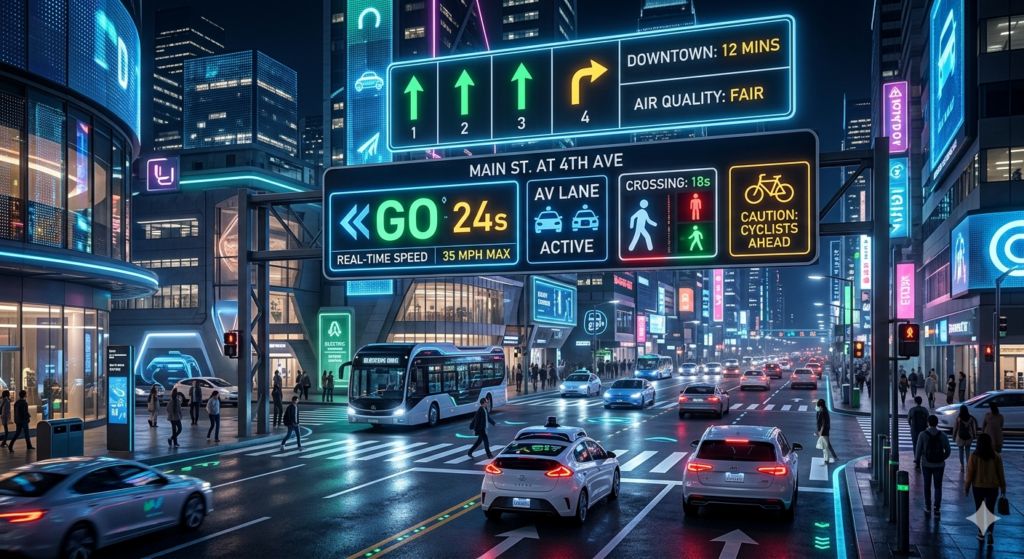
Road signs and signals will likely begin incorporating solar-powered LED lighting as a standard feature, enhancing visibility without relying on grid power. This evolution addresses both sustainability and safety concerns. The road traffic symbols we recognize today will remain, but their presentation will be dynamic. The static sign of the past will evolve into an active safety device that can change its display based on real-time traffic data, weather conditions, or emergency situations.
Market insights for 2025 suggest that the transition to smart infrastructure is being driven by the need to reduce accidents in ways that static signs cannot. For example, a sign that lights up only when a pedestrian is present can prevent “sign blindness,” where drivers ignore static warnings. This responsive capability will be a key differentiator for the next generation of traffic signal sign products. Wholesalers should prepare to integrate these technologies into their product catalogs.
A traffic signal sign equipped with digital beacons or RFID tags will be able to “speak” to these cars. This symbiosis between road signs and signals and vehicle technology represents the frontier of road safety, promising a future where accidents are statistically negligible due to seamless communication between the road and the driver.
4.1. Why Are Smart Road Signs and Signals the Future of Accident Prevention?
Smart road signs and signals represent a paradigm shift in how we approach traffic safety. Unlike traditional static signs, smart signs can detect oncoming traffic speeds, pedestrian presence, or adverse weather conditions and adjust their display accordingly. A traffic signal sign that can flash a warning only when necessary is more likely to capture a driver’s attention than one that is constantly lit. This dynamic capability addresses the issue of habituation, where drivers eventually ignore standard warnings.
The integration of sensors and connectivity turns a passive sign into an active accident prevention tool. For instance, a smart crosswalk sign can illuminate LED markers in the pavement when a pedestrian steps off the curb, creating a virtual shield of light. The road traffic symbols in these scenarios are augmented by technology to provide an extra layer of safety. As we move through 2025, pilot programs for such smart intersections are showing promising results in reducing vehicle-pedestrian conflicts.
By 2026, the cost of these technologies is expected to decrease, making them accessible for wider implementation. The B2B market will see a surge in demand for these intelligent traffic signal sign solutions as municipalities seek to modernize their infrastructure. Suppliers who forge partnerships with tech companies to supply these hybrid products will be well-positioned to lead the market. The focus is clear: leveraging technology to make road signs and signals smarter equals fewer accidents and safer communities.
The fundamental reason smart signs are the future lies in their ability to provide the right information at the right time. Instead of a driver seeing a generic “Caution” sign, they might see a specific warning like “Ice on Bridge” triggered by a temperature sensor. This level of specificity, powered by road traffic symbols enhanced with data, dramatically improves driver reaction times. It is a proactive approach to safety that anticipates accidents rather than merely recording them.
4.2. How Will Sustainable Materials Shape the Wholesale Traffic Sign Industry?
Sustainability is becoming a core requirement in public procurement, influencing the production of every traffic signal sign. The wholesale industry is increasingly pivoting towards eco-friendly materials that reduce the carbon footprint of infrastructure projects. This includes the use of recycled aluminum, which offers the same durability as virgin metal but requires significantly less energy to produce. Additionally, bio-based plastics and non-toxic reflective films are being developed to replace petroleum-based components in road signs and signals.
The demand for green road traffic symbols is driven by both regulatory pressure and corporate social responsibility goals. Municipalities and private developers are looking for suppliers who can verify the sustainability of their supply chain. A traffic signal sign that is Cradle-to-Cradle certified or meets LEED requirements for sustainable sites is becoming a preferred choice. This trend is accelerating in 2025 as governments worldwide commit to greener infrastructure policies.
Looking ahead to 2026, we anticipate the rise of “circular” signage products designed for easy disassembly and recycling at the end of their life. This contrasts with older models where materials were fused together, making recycling difficult. Wholesalers that offer take-back programs or recycling services for old road signs and signals will add value to their B2B offerings. This holistic approach to product lifecycle management is becoming a key competitive advantage.
The shift towards sustainable materials does not compromise safety; in fact, it often enhances it. Modern eco-friendly coatings and composites can offer superior resistance to chipping and fading. By investing in sustainable traffic signal sign manufacturing, the wholesale industry is not only protecting the environment but also ensuring that the physical road traffic symbols remain vibrant and effective for longer. This dual benefit makes the case for sustainability irresistible for forward-thinking buyers.
4.3. Which Market Trends Should Wholesale Buyers Watch in 2026?
As the industry moves toward 2026, several key trends will shape the wholesale market for traffic signal sign products. First, the consolidation of supply chains means buyers will prefer vendors who can offer a “one-stop-shop” experience, providing everything from standard regulatory signs to custom smart solutions. Second, the rise of public-private partnerships (P3s) in infrastructure funding will change how road signs and signals are procured, often requiring longer-term service contracts rather than one-off sales.
Another significant trend is the customization of road traffic symbols for specific vehicle types, such as autonomous delivery fleets or electric buses. Dedicated lanes and specific signage for these vehicles will require new types of traffic signal sign products. Wholesale buyers should monitor the deployment of these new vehicle types in their target markets to stock relevant signage. The data from 2025 indicates that cities preparing for autonomous vehicles are already upgrading their signage to be more machine-readable.
Finally, digitalization of the procurement process itself is a trend to watch. B2B buyers expect seamless online ordering, real-time inventory tracking, and digital mockups of custom road signs and signals. Suppliers who invest in robust e-commerce platforms and digital design tools will capture more market share. The ability for a client to visualize a custom traffic signal sign in 3D before ordering reduces errors and accelerates the sales cycle.
In conclusion, the wholesale market for traffic safety equipment is dynamic and evolving. Staying informed about these 2026 trends—smart integration, sustainability, new vehicle infrastructure, and digital commerce—will enable wholesalers to thrive. The focus remains on supplying high-quality, effective road traffic symbols that meet the changing needs of a safer, smarter world. By aligning their inventory and services with these trends, wholesalers can ensure they remain essential partners in accident reduction.
Conclusion
The role of the traffic signal sign in reducing road accidents is unequivocal. From regulating complex intersections to protecting pedestrians in high-risk zones, these signs are fundamental to traffic safety. As we have explored, the effectiveness of road signs and signals is greatly enhanced by customization, high-quality materials, and strategic placement. The insights from 2025 and the projections for 2026 highlight a clear trajectory towards smarter, more sustainable, and more integrated signage solutions.
For wholesalers and B2B buyers, the message is clear: the market demands more than generic products. It requires durable, compliant, and often custom-engineered road traffic symbols that address specific safety challenges. By prioritizing quality, embracing new technologies, and offering comprehensive customization services, suppliers can significantly contribute to making roadways safer. The investment in superior traffic signage is an investment in saving lives and fostering efficient, accident-free communities.
The future of traffic management is bright, with innovations on the horizon that will revolutionize how we interact with road signs and signals. However, the core principle remains the same: clear communication saves lives. Whether through a traditional stop sign or a smart, LED-enhanced crosswalk warning, the traffic signal sign will continue to be the guardian of the road.
Frequently Asked Questions
1. Why is a high-quality traffic signal sign essential for reducing intersection accidents?
A high-quality traffic signal sign is critical because it provides clear, unambiguous instructions to drivers, eliminating the guesswork that often leads to collisions at complex junctions. These signs regulate the flow of traffic and assign right-of-way, ensuring that vehicles and pedestrians move in an organized manner. By using durable materials and high-intensity reflective sheeting, these signs maintain visibility in all weather conditions, giving drivers ample time to react. For wholesale buyers, supplying premium road signs and signals ensures that clients are equipped with reliable tools that effectively communicate safety rules, thereby significantly reducing the likelihood of right-angle and rear-end accidents.
2. How do standardized road traffic symbols contribute to driver safety?
Standardized road traffic symbols create a universal language of the road that is instantly recognizable, regardless of the driver’s language or origin. When a traffic signal sign adheres to international standards, such as shape and color coding, it triggers an immediate, correct behavioral response from the driver—for instance, stopping at a red octagon. This consistency reduces cognitive load and decision time, which is vital in emergency situations. For wholesalers and municipalities, investing in compliant road signs and signals guarantees that the infrastructure communicates effectively, preventing the confusion that non-standard or poorly designed signs can cause.
3. What role does customization play in the effectiveness of road signs and signals?
Customization allows road signs and signals to be tailored to specific environmental conditions and local traffic patterns, enhancing their effectiveness beyond generic capabilities. For example, a traffic signal sign in a fog-prone area might require larger dimensions or specific high-contrast coatings to ensure visibility, while a school zone might need flashing LED borders for added alertness. Wholesale suppliers offering bespoke solutions enable their clients to address unique safety challenges, such as specific speed limits or hazard warnings. By aligning the design and placement of road traffic symbols with the exact needs of a site, businesses can significantly improve compliance and accident prevention.
4. Why are reflective materials important for a traffic signal sign?
Reflective materials are vital because they ensure that a traffic signal sign remains visible at night and during low-light conditions, which are high-risk times for accidents. Advanced retroreflective and microprismatic technologies bounce vehicle headlights back to the driver, making the sign appear luminous and easy to read from a distance. Without high-quality reflectivity, road signs and signals would fade into the darkness, drastically increasing the risk of collisions. For B2B buyers, stocking signs with various grades of reflectivity is essential to meet the diverse safety needs of rural, urban, and highway environments, ensuring road traffic symbols are effective 24/7.
5. How can wholesale buyers ensure they are purchasing durable road signs and signals?
Wholesale buyers should look for road signs and signals manufactured from heavy-gauge aluminum, typically .080 or .100 thickness, which offers superior resistance to wind, vibration, and impact. Additionally, the traffic signal sign should utilize UV-resistant inks and high-performance reflective sheeting to prevent fading and cracking over time. Requesting compliance certifications, such as MUTCD or ASTM standards, is also crucial for verifying durability. By prioritizing these material specifications, wholesalers can provide their clients with long-lasting road traffic symbols that require less frequent replacement and offer a higher return on investment through sustained safety performance.
6. What trends should we expect in traffic signal sign technology by 2026?
By 2026, the market for traffic signal sign products is expected to shift heavily towards smart technology and sustainability. We anticipate a rise in solar-powered LED signs that enhance visibility without grid dependency and “smart” road signs and signals capable of communicating with connected vehicles to warn of hazards ahead. Additionally, there will be a stronger emphasis on eco-friendly materials, such as recycled aluminum and non-toxic coatings, to meet green infrastructure goals. Wholesalers should prepare for these trends by expanding their inventory to include intelligent, energy-efficient road traffic symbols that align with the future of smart city planning.
7. Which factors influence the placement of road traffic symbols for maximum safety?
Several factors influence the optimal placement of road traffic symbols, including sight distance, road curvature, and traffic speed. A traffic signal sign must be positioned within the driver’s natural line of sight and placed far enough in advance to allow for safe decision-making and braking. Obstructions like vegetation or other signage must be cleared to ensure visibility. For wholesale clients, offering a range of mounting options—such as U-channel posts, steel breakaway posts, or overhead cantilevers—allows for the precise installation of road signs and signals, ensuring they are effective in unique terrains and intersections.
8. How do traffic signal signs specifically enhance pedestrian safety?
Traffic signal sign installations, such as pedestrian crossing indicators and school zone warnings, are specifically designed to alert drivers to the presence of vulnerable road users. These signs often feature bright, fluorescent colors and clear road traffic symbols to grab attention quickly. In high-risk areas, advanced road signs and signals may include flashing beacons or LED-embedded crosswalks that activate when pedestrians are present. By clearly demarcating crossing zones and legally establishing right-of-way, these signs compel drivers to slow down and yield, thereby reducing the rate of vehicle-pedestrian accidents significantly.
9. Why should businesses opt for custom branded road signs and signals for private properties?
Businesses should opt for custom branded road signs and signals to maintain safety while reinforcing their corporate identity within campuses, industrial parks, or commercial complexes. Custom signs can be designed to match the aesthetic of the property or display company logos without compromising the legibility of critical road traffic symbols. Furthermore, private properties often have unique traffic rules, such as specific speed limits for heavy machinery, which require custom traffic signal sign messaging to ensure compliance and safety. This tailored approach not only enhances the professional look of the facility but also addresses site-specific hazards more effectively than generic signage.
10. What are the benefits of sourcing road signs and signals through a wholesale supplier?
Sourcing road signs and signals through a wholesale supplier offers significant cost advantages, particularly for large-scale municipal or commercial projects requiring bulk quantities. Wholesale suppliers provide a consistent inventory of standard road traffic symbols while often possessing the capacity to fulfill custom orders efficiently. They also ensure that every traffic signal sign meets relevant industry standards and safety regulations. By partnering with a reliable wholesaler, buyers gain access to a wide range of products, expert advice on material selection and compliance, and the logistical support needed to deploy safety infrastructure swiftly and effectively.