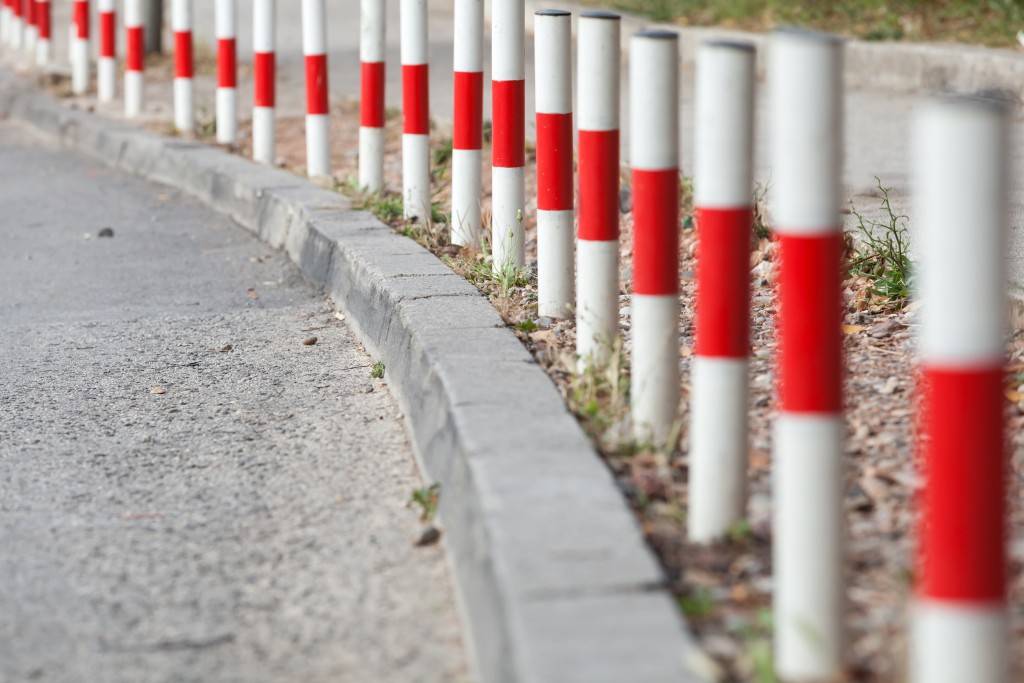

1. Why Is Selecting the Correct Barricade Crucial for Site Safety?
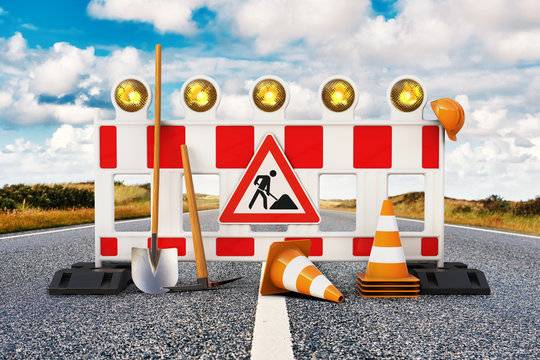
The selection of appropriate physical barriers is the first line of defense in mitigating accidents and ensuring the well-being of both workers and the general public. A robust Road Safety Barricade serves not merely as a physical obstacle but as a critical psychological signal that delineates safe zones from hazard areas. Recent 2025 industry statistics indicate that proper perimeter management can reduce on-site accidents by up to 40%, highlighting the direct correlation between equipment quality and safety outcomes.
For wholesale buyers and project managers, understanding this impact is essential for risk management and operational continuity. Investing in the correct barriers transforms a chaotic work environment into a structured, secure facility that complies with the highest standards of modern infrastructure safety.
Beyond immediate physical protection, the choice of barricade significantly influences legal liability and regulatory compliance. Failure to deploy adequate Construction Safety Barricade systems can lead to severe fines, work stoppages, and costly litigation in the event of an accident. Regulatory bodies have tightened inspection protocols in 2025, demanding documented proof that safety equipment meets specific impact resistance and visibility standards. By choosing superior barriers, businesses protect themselves against the financial volatility associated with non-compliance. This strategic approach ensures that the safety infrastructure is an asset rather than a liability, providing peace of mind for stakeholders and project owners alike.
Operational efficiency is also inextricably linked to the quality of the safety equipment deployed on a site. High-quality Traffic Control Barricade options are designed for rapid deployment and stability, reducing the man-hours required to set up and maintain safe perimeters. When barriers are difficult to install or prone to failure, workflow interruptions become frequent, leading to project delays and increased labor costs. Streamlined safety protocols, supported by the right equipment, allow teams to focus on their core tasks without constant adjustment of perimeter defenses. Consequently, the right barricade choice acts as a force multiplier for productivity, ensuring that safety measures facilitate rather than hinder progress.
Finally, the long-term cost benefits of selecting the correct barricade cannot be overstated for large-scale procurement and wholesale operations. While inferior products may offer a lower upfront price, their frequent replacement and maintenance costs often exceed the initial savings over a project lifecycle. Durable, high-visibility materials designed for longevity provide a better return on investment, particularly for clients requiring bulk orders for extensive networks. As we move toward 2026, market insights suggest a shift toward total cost of ownership models, where durability and reusability are prioritized over cheap, disposable solutions. Selecting the right product today safeguards budgets tomorrow, making it a fiscally responsible decision for any organization.
1.1. How Does the Wrong Barrier Increase Risk and Liability?
Utilizing substandard or improperly rated barriers exposes an organization to a cascade of risks that extend far beyond simple physical breaches. A lightweight or unstable Road Safety Barricade may fail under wind load or minor impact, creating projectiles that endanger pedestrians and workers alike. In 2025, data analysis of construction site accidents revealed that a significant percentage of injuries were caused by secondary incidents involving displaced safety equipment. These failures create a domino effect, where a single breach can lead to multi-vehicle collisions or severe pedestrian injuries, drastically amplifying the severity of an accident. The integrity of the barrier is therefore paramount; any compromise in material quality or design directly translates to elevated operational risk.

The financial implications of inadequate barrier selection are profound, particularly when viewed through the lens of insurance and liability claims. Insurance providers are increasingly scrutinizing the specifications of Construction Safety Barricade installations when processing claims, often denying coverage if equipment is deemed unfit for the specific environment. A single incident involving a faulty barrier can lead to millions of dollars in damages, legal fees, and increased insurance premiums for years to come. For businesses operating on thin margins, such an event can be catastrophic, potentially leading to bankruptcy or severe reputational damage. Ensuring that every barrier meets or exceeds project requirements is not just a safety measure but a financial firewall against unpredictable liability.
Moreover, the wrong barriers can impede emergency response efforts, turning manageable situations into crises. If a Traffic Control Barricade is difficult to move or collapses in a way that blocks emergency egress routes, responders lose critical time accessing the scene. Modern safety standards emphasize clear, maintained access routes, and rigid or poorly designed barriers can become unforeseen obstacles during fire or medical emergencies. In 2025, updated building codes began penalizing designs that obstruct emergency movement, making the choice of flexible, yet stable barricades a regulatory necessity. The ability to quickly reconfigure a site in response to an emergency is a critical feature often overlooked in standard procurement processes.
Reputational damage is the silent, long-term cost that often follows the use of inadequate safety equipment. In the age of instant information and social media, news of safety lapses spreads rapidly, causing clients and partners to question the reliability of a construction firm or municipal authority. A failure to provide adequate protection with a quality Road Safety Barricade signals a lack of professionalism and regard for public welfare. This perception can lead to the loss of future contracts and a decline in stakeholder confidence, which is difficult to quantify but devastating to business growth. Maintaining a reputation for safety excellence requires a commitment to quality in every component of the infrastructure, starting with the most basic barriers.
1.2. Which Factors Determine the Effectiveness of a Traffic Control Barricade?
Material composition stands as the primary determinant of a barrier’s durability and performance under stress. High-density polyethylene (HDPE) has become the industry standard for a modern Traffic Control Barricade due to its exceptional strength-to-weight ratio and resistance to UV degradation. Unlike concrete or steel, HDPE absorbs impact energy without crumbling or causing severe damage to vehicles, a feature highly valued in urban environments. Wholesale buyers must prioritize materials that offer structural integrity while remaining manageable for deployment crews. The evolution of plastic compounds in 2025 has led to even tougher, lighter materials that maintain visibility and structural stability over years of exposure to harsh elements, ensuring long-term reliability.
Visibility and retro-reflectivity are equally critical factors that dictate the effectiveness of any safety barrier, particularly during low-light conditions. A Road Safety Barricade must be equipped with high-intensity reflective sheeting that meets or exceeds MUTCD standards to ensure it is seen by motorists from significant distances. Studies conducted in 2025 indicate that improved reflective technologies can reduce nighttime accident rates by improving driver reaction times. Customization options now allow for specialized colors and reflective patterns that can be tailored to specific corporate branding or municipal codes. By enhancing visibility, companies ensure that their safety measures are proactive, alerting drivers well before they encounter a hazard, thereby reducing the likelihood of high-speed impacts.
Stability and wind resistance are physical attributes that cannot be compromised, especially in open or high-wind areas. The design of a Construction Safety Barricade must include a low center of gravity and the ability to be ballasted easily to prevent displacement. Engineering advancements in 2026 are focusing on aerodynamic designs that reduce wind load while maintaining a compact footprint for storage and transport. For wholesale clients, ease of filling with water or sand adds to the versatility, allowing the same unit to be used for both pedestrian control and vehicle redirection. A barricade that tips over easily becomes a hazard rather than a protection, making stability testing a key quality assurance step before bulk procurement.
Finally, interoperability and modular design determine how well the barricade integrates into a broader site safety plan. The most effective Traffic Control Barricade systems feature interlocking mechanisms that allow them to be connected into long, continuous walls, eliminating gaps that could be penetrated by vehicles or pedestrians. This modular capability is essential for creating secure perimeters around large construction zones or for redirecting traffic during major public events. As urban environments become more congested, the ability to quickly configure and reconfigure these systems becomes a significant operational advantage. Buyers should look for designs that offer this flexibility, ensuring that their investment can adapt to a wide variety of scenarios and site layouts.
2. How to Differentiate Between Types of Safety Barricades?
Understanding the distinction between Type I, Type II, and Type III barricades is fundamental for compliance and effective traffic management. Type I barricades, typically featuring a single reflective rail, are suited for low-speed roads and temporary hazards, whereas Type II and Road Safety Barricade variants with two rails are mandatory for higher-speed zones where greater visibility is required. Navigating these classifications requires a thorough knowledge of local regulations and the specific traffic conditions of the deployment site. Wholesale suppliers must provide clear guidance on these categories to ensure clients procure the correct classification for their intended application. Misclassification not only poses safety risks but can also result in regulatory audits and penalties that disrupt project timelines and budgets.
Construction environments often require heavy-duty solutions that go beyond standard traffic drums or cones. The Construction Safety Barricade used in these scenarios is typically designed to withstand the rigors of an active industrial site, including exposure to heavy machinery, debris, and chemical spills. These barriers often feature reinforced walls and heavier bases to resist accidental displacement by construction vehicles. In 2025, the trend in construction safety has moved toward “fortress” style systems that provide both visual and physical protection for workers. Differentiating these heavy-duty options from standard traffic control devices is crucial for site managers who need to balance budget constraints with the imperative of worker safety in hazardous zones.
Pedestrian safety barricades constitute another distinct category, designed specifically to manage foot traffic and crowds rather than vehicles. These systems often feature different dimensions and interlocking styles to create a continuous, climb-resistant fence that guides pedestrians safely through or away from work zones. While a standard Traffic Control Barricade focuses on vehicle redirection, pedestrian barriers prioritize aesthetics and crowd control features without sacrificing structural integrity. For events or urban renewal projects, the visual appeal of these barriers is often a key consideration, leading to increased demand for customizable covers and finishes. Recognizing the specific needs of pedestrian management allows buyers to select solutions that enhance the public experience while maintaining strict safety standards.
The distinction between temporary and permanent installations also plays a vital role in the selection process. Temporary applications require lightweight, easy-to-transport solutions that can be deployed and retrieved quickly, while permanent installations demand durability and often a more aesthetic integration into the streetscape. Long-term Road Safety Barricade installations may utilize concrete or fixed metal structures, whereas modern projects often prefer high-strength plastic that offers the look of permanence with the flexibility of removal. Market trends for 2026 suggest a growing preference for hybrid systems that offer the ease of temporary installation but the durability of permanent fixtures. Buyers must assess the timeline of the project to determine which category best suits their operational needs and long-term asset management strategy.
2.1. Which Type of Construction Safety Barricade Suits High-Speed Zones?
High-speed zones demand barricades that meet stringent crash-testing criteria, specifically those set forth in the NCHRP 350 or MASH guidelines. In these environments, a standard Construction Safety Barricade is insufficient; instead, planners must deploy positive protection devices such as portable concrete barriers or crash cushions. These systems are engineered to redirect vehicles upon impact, absorbing kinetic energy to prevent intrusion into the work zone. The 2025 update to safety regulations has expanded the requirements for high-speed zones, mandating higher levels of impact attenuation for all temporary barriers. Wholesale procurement for highway projects must prioritize these certified solutions to ensure the safety of both the traveling public and the construction crew operating just feet away from speeding traffic.

Water-filled barriers have emerged as a versatile solution for medium to high-speed applications, offering a balance between mass and manageability. When filled, these barriers act as a Traffic Control Barricade capable of redirecting errant vehicles, yet they can be emptied and moved to different locations as the work zone shifts. The physics of the water displacement allows the barrier to absorb impact energy more effectively than solid rigid barriers of similar weight.
Recent innovations in 2025 have interlocking mechanisms that enhance the shear strength of water-filled systems, allowing them to act as a continuous wall. For projects that require frequent reconfiguration of lane closures, these barriers provide an optimal mix of safety, efficiency, and cost-effectiveness compared to heavy concrete alternatives.
The specific geometry of the work zone and the curvature of the road are critical factors in selecting the appropriate barrier for high-speed areas. Sharp curves or exit ramps require barriers with specific deflection properties to prevent vehicles from vaulting over the wall or breaking through the line. A customized Road Safety Barricade solution may be necessary to address these unique geometric challenges, utilizing specialized end sections and energy-absorbing terminals. Engineering teams must conduct site-specific risk assessments to determine the exact length and placement of barriers needed to shield workers effectively. Advanced modeling software used in 2026 allows for precise simulation of crash scenarios, aiding in the selection of the most effective barrier configuration for complex highway environments.
Visibility enhancements are non-negotiable for high-speed zones, where drivers have only milliseconds to react to visual cues. Barricades deployed in these areas must feature the highest grade of reflective sheeting and, increasingly, integrated LED lighting systems to ensure 24-hour visibility. A Construction Safety Barricade on a high-speed bridge or viaduct becomes a critical navigational aid at night, requiring consistent illumination to guide drivers safely through temporary lanes. The integration of solar-powered warning lights into the barricade design is becoming a standard requirement for many Departments of Transportation. By maximizing visibility, contractors ensure that the safety perimeter is visible well in advance, giving drivers ample time to reduce speed and merge safely, thereby protecting the integrity of the work zone.
2.2. Why Are Water-Filled Barriers Preferred for Short-Term Projects?
The logistics of transport and storage make water-filled barriers the premier choice for short-term projects and urban work zones. Unlike concrete barriers, which require specialized heavy machinery for movement, a Road Safety Barricade made of HDPE can be stacked efficiently on standard flatbed trucks, maximizing shipping capacity. Empty units are lightweight enough to be handled by a small crew, significantly reducing labor costs and the need for expensive crane rentals. For wholesale distributors managing inventory across multiple job sites, this stackability translates to lower warehousing costs and faster turnover. The ability to rapidly deploy these assets allows municipalities and contractors to respond to urgent repair needs with minimal disruption to the supply chain.

Once on-site, the flexibility to fill the barriers with water on demand provides unmatched versatility for dynamic project timelines. Crews can position the empty Construction Safety Barricade units precisely where they are needed before filling them, reducing physical strain and injury risk during the setup phase. This modular approach allows for the creation of curves, corners, and complex shapes that rigid barriers cannot easily accommodate. Furthermore, if the scope of the project changes, the barriers can be drained and relocated with relative ease. This adaptability is crucial for short-duration tasks such as pavement patching, utility repairs, or event crowd control, where the site layout may evolve daily or even hourly.
From a safety perspective, water-filled barriers offer superior energy absorption compared to rigid options, reducing the severity of impacts. Upon collision, the water inside the barrier displaces and dissipates the kinetic energy of the vehicle, bringing it to a more controlled stop. This characteristic makes them an ideal Traffic Control Barricade for urban settings where the risk of vehicle impact is present but high-speed positive protection is not required. The reduced vehicle damage and lower risk of injury to occupants can significantly lower liability for project managers. Insurance carriers often view the use of energy-absorbing barriers favorably, recognizing their role in mitigating the consequences of accidents within work zones.
Economic efficiency drives the preference for water-filled barriers in projects with tight budget constraints. The reusability of these units across hundreds of projects means the cost per use decreases significantly over time, offering high value for money. Procurement managers looking for wholesale options find that the initial investment is quickly offset by the savings in freight, labor, and reduced replacement costs. As we look toward 2026, the resale market for high-quality, used water-filled barriers remains robust, adding an end-of-life value that concrete options lack. This lifecycle cost analysis confirms that for short-term applications, water-filled barriers provide the most fiscally responsible and operationally flexible solution available.
3. Why Opt for Wholesale and Customization in Barricade Procurement?
Procuring safety equipment through wholesale channels unlocks significant economies of scale that are essential for large infrastructure projects and municipal inventories. When ordering a Road Safety Barricade in bulk, the per-unit cost drops substantially, allowing project budgets to stretch further without compromising on quality or quantity. These savings can be reallocated to other critical safety measures or project necessities, optimizing the overall financial health of the operation. Furthermore, wholesale agreements often come with tiered pricing and favorable payment terms, improving cash flow for large contractors. Establishing a direct relationship with a manufacturer or large-scale distributor ensures priority access to stock, preventing delays during peak construction seasons.
Customization capabilities provided by wholesale suppliers allow businesses to align their safety equipment with corporate branding and specific site requirements. Standard options may serve a generic purpose, but a customized Construction Safety Barricade can be color-matched to company colors or feature molded-in logos for enhanced brand visibility. This branding opportunity is particularly valuable in high-visibility urban projects where the barricade itself serves as a billboard for the firm responsible for the work. In 2025, the demand for custom aesthetics has grown, with companies recognizing that professional appearance contributes to public perception. Wholesale suppliers with in-house molding and printing facilities can deliver these bespoke solutions at scale, ensuring consistency across all job sites.
Customization extends beyond aesthetics, offering functional enhancements tailored to specific operational challenges. Clients can specify unique dimensions, connector types, or reinforced base designs to create a Traffic Control Barricade that addresses niche requirements. For instance, a client might request UV-stabilized additives for extreme climates or anti-static properties for use near sensitive electronics. This level of engineering collaboration ensures that the final product performs perfectly in its intended environment, rather than forcing a “one-size-fits-all” compromise. By leveraging the manufacturing expertise of wholesale partners, clients can innovate their safety protocols, gaining a competitive edge in efficiency and site safety performance.
Supply chain reliability is a critical advantage of engaging in wholesale procurement, particularly in a volatile global market. Locking in contracts for Road Safety Barricade inventory guarantees availability even when raw material shortages strike, a scenario witnessed repeatedly in recent years. Large distributors maintain significant stockpiles and have robust logistics networks to ensure timely delivery across regions. For large-scale government contracts or multi-site commercial developments, this reliability is non-negotiable. The 2026 market forecast predicts continued fluctuations in polymer prices, making long-term wholesale partnerships a strategic hedge against inflation and scarcity, ensuring that projects remain on schedule regardless of external market pressures.
3.1. How Does Customization Enhance Brand Visibility and Safety Compliance?
Customizing barriers with high-contrast corporate colors ensures that safety zones are not only compliant but also distinctly associated with the responsible entity. A Road Safety Barricade that features a company’s specific color palette increases brand recognition among the public and stakeholders, reinforcing a presence in the market. This dual benefit of marketing and safety is particularly effective in crowded urban environments where multiple contractors may be operating simultaneously. Beyond simple color, custom signage panels can be integrated into the barricade design to display project names, safety slogans, or emergency contact information. This level of detail communicates professionalism and a commitment to transparency, which resonates well with clients and the community.
Safety compliance is often enhanced through customization because products can be tailored to meet specific regional or municipal codes that differ from standard national regulations. While a standard Construction Safety Barricade might meet general requirements, a customized version can be adjusted to exceed local wind load specifications or reflective sheeting requirements. For example, a city might require a specific shade of orange or a particular type of diamond-grade reflective tape for all public works. Customization ensures that every unit deployed is fully compliant with these local nuances without requiring after-market modifications, which can sometimes compromise the structural integrity of the barrier. This proactive approach to compliance prevents fines and work stoppages before they occur.
The integration of smart technology into customized barriers represents the cutting edge of safety compliance and site management. Forward-thinking companies are now embedding sensors or RFID tags into their Traffic Control Barricade units to monitor deployment and integrity in real-time. These smart barriers can alert managers if a unit has been displaced, tipped over, or removed from the site, enabling immediate response to security breaches or safety hazards. The data collected from these devices can be used to analyze traffic patterns and incident rates, informing future safety planning. As we move into 2026, this type of technological customization is becoming a key differentiator for firms looking to modernize their infrastructure and demonstrate a leadership role in safety innovation.
Customization also allows for the inclusion of specialized security features to prevent theft and unauthorized movement. In high-traffic areas or public events, standard barriers can be easily stolen or tampered with. Custom designs can include unique locking mechanisms that require proprietary keys to disconnect, or they can be weighted to deter unauthorized relocation. A Road Safety Barricade equipped with anti-theft devices protects the investment of the wholesale buyer and maintains the integrity of the secure perimeter. By addressing the specific security challenges of a site through tailored design, businesses can reduce shrinkage and ensure that their safety infrastructure remains intact and functional throughout the duration of the project.
3.2. Which Customization Options Should Buyers Prioritize for Large Scale Projects?
For large-scale projects, modular interlocking systems should be the top priority when selecting customizable barricades. These systems allow a Construction Safety Barricade to connect securely to the next, creating a continuous, impenetrable wall that can withstand significant lateral force. Customization of the interlocking mechanism to suit the specific terrain—whether flat, uneven, or curved—is essential for maintaining the integrity of the perimeter. Buyers should look for options that allow for angling the connections, as this flexibility is crucial for navigating complex site layouts without leaving dangerous gaps. The ability to create a seamless wall not only improves safety but also enhances the visual authority of the traffic control plan, signaling a secure and well-managed site.
Durability enhancements, such as UV inhibitors and impact modifiers, are critical customization options for projects in harsh climates or long-term deployments. Standard plastics may become brittle after prolonged exposure to intense sunlight or freezing temperatures, but a customized Traffic Control Barricade can be formulated with additives that extend its lifespan by years. For wholesale buyers managing assets across diverse geographies, specifying the right material composition is vital to ensuring a consistent return on investment. In 2025, advanced polymer blends have become available that offer superior resistance to fading and cracking, ensuring that the barricade remains structurally sound and visually acceptable for the duration of long infrastructure projects.
Custom branding capabilities should be prioritized to maximize the marketing potential of the safety equipment. Large-scale projects offer high visibility, and having the company logo or website URL professionally molded or printed on the Road Safety Barricade serves as continuous advertising. Buyers should prioritize in-mold graphics over simple stickers or paint, as in-mold graphics are permanent, resistant to wear, and maintain a professional appearance throughout the life of the product. This creates a cohesive visual identity across the site, reinforcing the contractor’s brand image to every passing motorist and stakeholder. The cost difference for this customization is marginal compared to the long-term branding benefits it provides over the lifespan of the asset.
Finally, logistical customization, such as specialized stacking features or forklift-accessible bases, should be a key consideration for large buyers to streamline operations. Efficient storage and transport are major cost drivers in large projects, and a Construction Safety Barricade designed to nest perfectly can save thousands in freight and warehousing costs. Customizing the dimensions slightly to fit standard pallets or optimizing the design for maximum density on a truck trailer provides tangible logistical advantages. Procurement managers should work closely with manufacturers to engineer these logistical efficiencies into the product design, ensuring that the supply chain is as optimized as the safety performance of the barricade itself. This holistic approach to customization addresses the total lifecycle cost of the product.
4. How 2025 Regulations Are Shaping the Future of Traffic Control Barricade Designs?
New regulatory frameworks introduced in 2025 are placing a heavy emphasis on the “crashworthiness” of temporary traffic control devices. Authorities are moving beyond simple visibility requirements and mandating that a Traffic Control Barricade demonstrate proven ability to withstand specific levels of impact without catastrophic failure. This shift is driving manufacturers to redesign standard plastic barriers with reinforced ribs and heavier bases to meet these stricter performance criteria. For buyers, this means that compliance now requires a deeper technical evaluation of product specs, ensuring that every barrier purchased is certified for the intended speed zone. The regulatory environment is effectively raising the bar, ensuring that the safety equipment provided to the market offers genuine physical protection.
Sustainability regulations are also beginning to influence the design and materials used in safety barricades. New environmental standards in several major regions now mandate a minimum percentage of recycled content in all public works procurement, including the Road Safety Barricade. This regulatory pressure is accelerating the development of high-performance recycled plastics that do not sacrifice strength or durability. Manufacturers are responding by creating closed-loop recycling programs where old barriers can be reprocessed into new products, reducing landfill waste. For wholesale buyers focused on ESG (Environmental, Social, and Governance) goals, sourcing these compliant, eco-friendly barriers is becoming a requirement for winning government contracts and maintaining a green corporate profile.
The integration of digital compliance features is a novel trend driven by 2025 updates in work zone safety data reporting. Regulations are increasingly requiring digital logging of safety device placement and maintenance, which has led to the design of “smart” Construction Safety Barricade units compatible with BIM (Building Information Modeling) systems. These barriers can be scanned and tracked digitally, ensuring that the as-built conditions match the approved traffic control plans. This digital integration helps project managers prove compliance during inspections and audits, reducing the administrative burden of manual record-keeping. As digital infrastructure projects become the norm, the physical safety equipment must interface seamlessly with these digital management tools.
Accessibility requirements are being tightened to ensure that safety barricades do not impede the mobility of disabled pedestrians. 2025 building and safety codes are more specific regarding the detection of barriers by individuals with visual impairments, requiring specific textures and auditory cues. A Traffic Control Barricade must now be designed with surfaces that are detectable by canes and may require the addition of audible warning devices in certain pedestrian-heavy configurations. Compliance with these ADA (Americans with Disabilities Act) standards is critical to avoid lawsuits and ensure public works projects are inclusive. Buyers must prioritize these accessibility features to ensure their deployments are legally compliant and respectful of all community members, reflecting a modern, inclusive approach to infrastructure safety.
4.1. Why Is Sustainability Becoming a Priority in Barricade Manufacturing?
The construction industry at large is undergoing a significant green transformation, and safety equipment is no exception. Stakeholders are increasingly demanding that the Road Safety Barricade be manufactured with a reduced carbon footprint, utilizing processes that minimize greenhouse gas emissions. This pressure is coming from both the top down, via government green procurement policies, and from the bottom up, as consumers and investors favor environmentally responsible companies. Manufacturers are adopting cleaner production methods, such as solar-powered factories and zero-waste molding techniques, to meet this demand. For buyers, choosing sustainable barricades is no longer just a PR move but a strategic alignment with global efforts to combat climate change, ensuring long-term business viability.
Economic factors are driving sustainability as the cost of virgin raw materials fluctuates unpredictably. Using recycled High-Density Polyethylene (rHDPE) to produce a Construction Safety Barricade is often more cost-effective than using virgin resin, providing a stable pricing model immune to some volatility of petrochemical markets. The recycling supply chain for plastics has matured significantly by 2025, allowing for the production of high-grade rHDPE that matches the performance of virgin materials. This economic advantage allows manufacturers to offer competitive pricing on sustainable products, making the green choice the financially smart choice. Consequently, wholesale buyers are finding that they can improve their environmental profile without negatively impacting their bottom line, accelerating the adoption of sustainable safety gear.
Corporate Social Responsibility (CSR) initiatives are compelling large construction firms and government agencies to seek out sustainable supply chain partners. A Traffic Control Barricade made from 100% recyclable materials serves as a tangible artifact of a company’s commitment to sustainability. These products can be highlighted in annual reports and marketing materials to demonstrate a genuine commitment to reducing environmental impact. As we move toward 2026, reporting on Scope 3 emissions (which include purchased goods) is becoming standard practice, putting pressure on buyers to select eco-friendly vendors. The selection of sustainable barricades thus becomes a key data point in a company’s broader sustainability report, influencing investor relations and public perception.
End-of-life management is a critical aspect of sustainability that is reshaping product design. Manufacturers are designing barricades that are mono-material (made entirely of one type of plastic) to simplify the recycling process at the end of their service life. A Road Safety Barricade designed for circularity can be fully recycled into a new barrier of equal quality, eliminating the concept of waste. This contrasts sharply with older, composite barriers that were difficult to separate and recycle.
For wholesale buyers managing large fleets of equipment, the ability to sell or recycle old barriers at the end of their life recovers value and reduces disposal costs. This focus on the entire lifecycle of the product represents a mature, sophisticated approach to sustainable procurement.
4.2. Which Technological Innovations Are Improving Barricade Functionality?
The integration of LED lighting systems directly into the body of the barricade represents a major leap in functionality and safety. Modern Road Safety Barricade designs now feature solar-powered LED strips that provide continuous illumination without the need for external wiring or battery replacements. These lights significantly enhance visibility at night and during inclement weather, addressing the majority of accident risk periods. By 2025, these integrated lighting systems have become more reliable and affordable, making them a standard feature for high-risk zones. For buyers, these all-in-one solutions reduce the labor costs associated with setting up separate warning lights and ensure that the safety system is always active and visible from dusk till dawn.
Smart connectivity and the Internet of Things (IoT) are transforming passive barriers into active monitoring devices. Newer Construction Safety Barricade models can be equipped with sensors that detect impact, tilt, or movement and instantly transmit this data to a central cloud platform. This real-time monitoring allows site managers to respond immediately to breaches or accidents, potentially saving lives. The data accumulated can also be analyzed to identify high-risk areas within a work zone, allowing for dynamic adjustments to traffic management plans. As 5G networks become ubiquitous, the capability to deploy thousands of connected sensors across a project site becomes feasible, ushering in a new era of intelligent infrastructure management.
Advanced material science is yielding “self-healing” composites and anti-graffiti coatings that extend the service life of public-facing barriers. A Traffic Control Barricade treated with hydrophobic and oleophobic coatings resists dirt, oil, and spray paint, making cleanup easy and reducing maintenance costs. Some experimental polymers even have the ability to regain shape after minor impacts, maintaining their structural integrity and aesthetic appearance. For wholesale buyers operating in urban centers where vandalism is a concern, these innovations preserve the professional look of the work zone and reduce the frequency of replacement. These material enhancements ensure that the investment retains its value and functionality over a longer period, even in hostile environments.
Augmented Reality (AR) compatibility is an emerging trend that aids in the precise placement and verification of barricade setups. Future Road Safety Barricade units may feature QR codes or visual markers that can be scanned by AR glasses or tablets to overlay the intended traffic control plan onto the real world. This technology helps installation crews verify that every barrier is positioned exactly according to the design specifications, minimizing human error. While still in its early stages, this application is expected to gain traction in complex infrastructure projects by 2026. For buyers, investing in equipment that is “future-ready” and compatible with digital verification tools ensures that their assets remain relevant as the industry moves toward increased digitization and precision.
Conclusion
Selecting the appropriate Road Safety Barricade is a multifaceted decision that requires careful consideration of safety regulations, site-specific conditions, and long-term value. By understanding the distinct differences between a standard Construction Safety Barricade and specialized high-velocity options, buyers can significantly mitigate risk and enhance site security. The insights for 2025 and 2026 underscore the importance of durability, sustainability, and compliance in modern procurement strategies. Prioritizing these factors ensures that the safety infrastructure not only protects lives but also withstands the scrutiny of evolving industry standards and environmental responsibilities.
The strategic advantage of wholesale purchasing and customization cannot be overstated for businesses looking to optimize their operations. Customizing a Traffic Control Barricade to meet specific branding and functional requirements offers a dual benefit of marketing visibility and operational efficiency. As the market evolves, the integration of smart technologies and eco-friendly materials will define the next generation of safety equipment. Buyers who stay ahead of these trends will secure a competitive edge, ensuring their projects are equipped with the most advanced, reliable, and cost-effective solutions available.
Ultimately, the goal of any traffic management plan is to ensure the safety of workers and the public with zero compromise. A well-chosen barricade serves as the foundational element of this plan, providing the physical and visual cues necessary to maintain order and prevent accidents. By leveraging wholesale partnerships and focusing on high-quality, customizable products, organizations can build a safety culture that is robust, responsive, and sustainable. The investments made today in superior safety equipment will yield dividends in risk reduction, legal compliance, and corporate reputation for years to come.
To secure the best protection for your next project, explore our extensive range of wholesale and customizable safety solutions. Contact our team today to discuss your specific requirements and discover how a tailored Road Safety Barricade strategy can benefit your operations. Let us help you build a safer, more efficient future with industry-leading products designed for maximum performance and reliability.
Frequently Asked Questions
1. What is the difference between a water-filled and a concrete Road Safety Barricade?
A water-filled Road Safety Barricade is made from high-density polyethylene (HDPE) and offers the flexibility of being lightweight when empty for easy transport, yet heavy when filled for stability. These are ideal for short-term projects and mobile work zones where frequent reconfiguration is necessary. Concrete barriers, conversely, are permanent fixtures designed for maximum deflection in high-speed zones. While concrete provides superior mass for long-term perimeter security, water-filled options are safer for vehicles upon impact due to their energy-absorbing properties and are more cost-effective for temporary deployments.
2. How can I customize a Construction Safety Barricade to meet specific site needs?
You can customize a Construction Safety Barricade in several ways to align with both safety protocols and corporate branding. Options include selecting specific corporate colors for high visibility, molding-in company logos for brand recognition, and choosing custom reflective sheeting for enhanced night visibility. Additionally, you can request specialized interlocking mechanisms to suit unique site geometries or add UV stabilizers for extreme weather conditions. These modifications ensure that the equipment not only protects the workforce but also reinforces the professional image of the contracting firm.
3. Are Traffic Control Barricades compliant with current safety regulations?
Yes, high-quality Traffic Control Barricade systems are manufactured to meet strict federal and state guidelines, such as the Manual on Uniform Traffic Control Devices (MUTCD). Manufacturers ensure their products undergo rigorous crash-testing, adhering to NCHRP 350 or MASH standards for impact attenuation. When purchasing wholesale, it is crucial to verify that the products are certified for the specific speed zones and intended applications, such as pedestrian control or highway redirection. Compliance ensures legal protection and minimizes the risk of liability in the event of an accident.
4. Why should I choose wholesale procurement for my Road Safety Barricade needs?
Opting for wholesale procurement of a Road Safety Barricade provides significant economies of scale, drastically reducing the per-unit cost for large infrastructure projects. Beyond price savings, wholesale agreements often guarantee inventory priority, ensuring you have the necessary stock even during peak construction seasons. Furthermore, wholesale suppliers offer better logistical support, including bulk shipping optimization and warehousing options, which streamlines the supply chain. This approach ensures consistent quality across all sites and creates a reliable partnership for long-term material sourcing.
5. What materials are used to manufacture durable Construction Safety Barricades?
The industry standard for durable Construction Safety Barricade manufacturing is High-Density Polyethylene (HDPE). This material is chosen for its exceptional strength-to-weight ratio, resistance to UV radiation, and ability to withstand harsh weather conditions without cracking or fading. Many modern barriers also utilize recycled HDPE to support sustainability initiatives while maintaining structural integrity. Advanced additives can be mixed into the polymer to enhance impact resistance and prevent degradation from chemical exposure, ensuring the barricade remains effective throughout its lifecycle.
6. How do I determine which Traffic Control Barricade is suitable for high-speed zones?
Selecting the right Traffic Control Barricade for high-speed zones requires looking for crash-tested products that meet specific MASH or NCHPR criteria for positive protection. These areas typically require heavy-duty barriers, such as jersey walls or ballasted water-filled systems designed to redirect vehicles rather than break apart upon impact. It is essential to consult with a structural engineer or the manufacturer to ensure the selected barrier has the necessary mass and interlocking capabilities to withstand vehicle lateral forces at high speeds. Using uncertified barriers in these environments poses severe safety risks and regulatory violations.
7. Can a Road Safety Barricade be used for both pedestrian and vehicle control?
While some Road Safety Barricade models are versatile, specific designs are optimized for either pedestrian or vehicle control. Vehicle control barriers are heavier and designed to deflect impacts, whereas pedestrian barriers are often lighter, taller, and designed to prevent crossing without being trip hazards. However, many modern water-filled barriers serve dual purposes; they act as a visual deterrent for vehicles while defining safe walkways for pedestrians when equipped with specialized fencing attachments. Assessing the primary risk of the site is crucial to choosing the right multi-functional configuration.
8. What are the maintenance requirements for a Construction Safety Barricade?
A Construction Safety Barricade requires minimal maintenance due to the durability of HDPE and its resistance to rust and corrosion. Routine inspections should be conducted to check for structural integrity, ensuring that interlocking hooks are not damaged and that reflective sheeting is clean and intact. If the barrier is water-filled, it is important to check for cracks or leaks that could compromise stability. For customized units with printing or logos, occasional cleaning with mild detergent helps maintain visibility and branding impact, ensuring the barrier looks professional throughout the project.
9. How do sustainable Traffic Control Barricade options benefit my project?
Sustainable Traffic Control Barricade options, typically made from 100% recycled materials, help projects meet Environmental, Social, and Governance (ESG) goals and comply with green procurement policies. These barriers often feature a closed-loop lifecycle, meaning they can be fully recycled into new products at the end of their service life, reducing landfill waste. Additionally, using recycled materials can sometimes offer cost savings and improve public perception of the project. As environmental regulations tighten, investing in sustainable safety equipment future-proofs your business against compliance mandates.
10. How does customization of a Road Safety Barricade improve safety compliance?
Customizing a Road Safety Barricade improves safety compliance by allowing the integration of specific features required by local ordinances or unique site conditions. For example, high-intensity custom LEDs can be added for 24-hour visibility in poorly lit areas, or specific connector types can be used to prevent gaps on uneven terrain. Customization also ensures the barrier fits perfectly within the broader traffic control plan, eliminating weak points that non-standard equipment might create. By tailoring the equipment to the exact regulatory environment, businesses ensure a higher standard of protection and avoid costly fines.