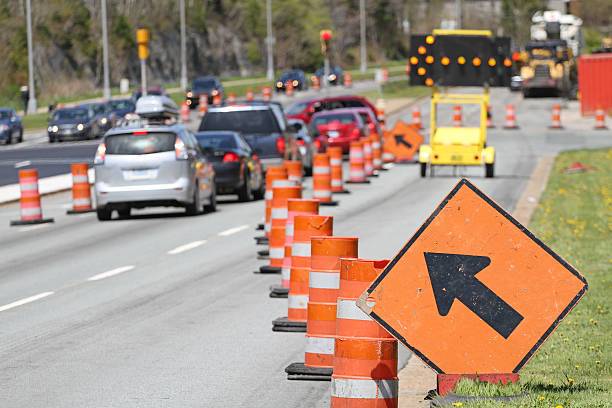
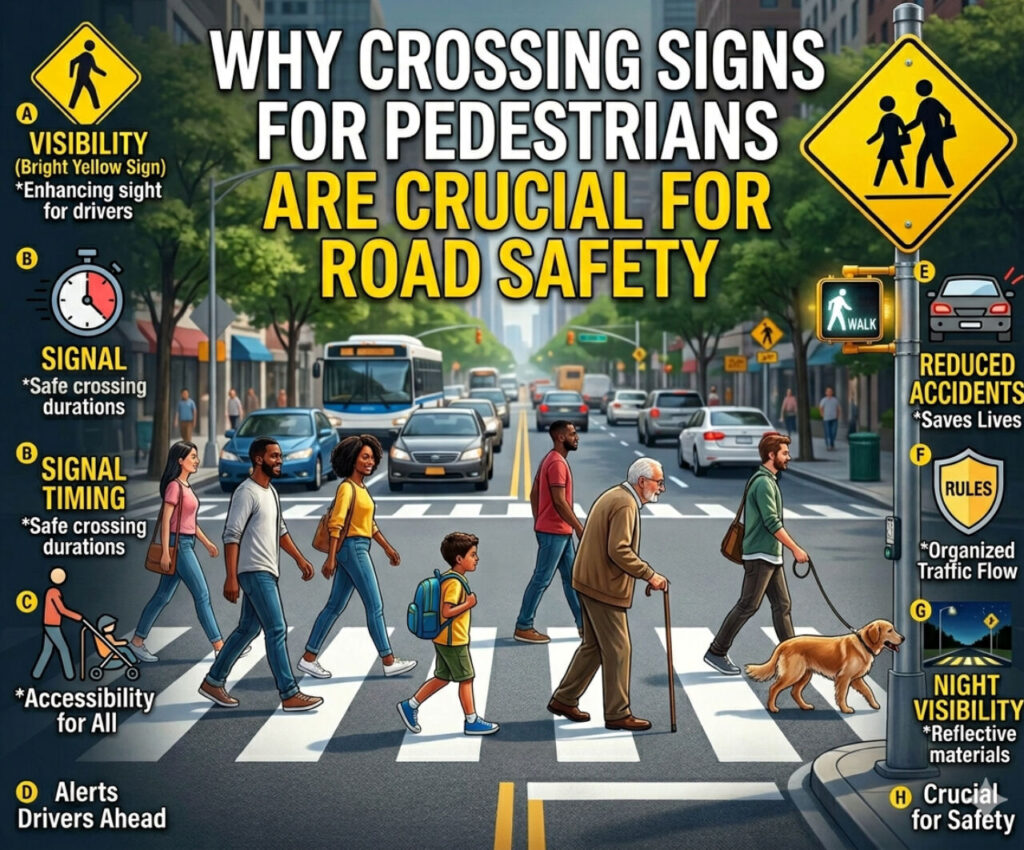
Road safety infrastructure remains a critical priority for urban planners and municipal authorities as we navigate through 2025 and look toward the infrastructure demands of 2026. With the increase in urban density and the rise of eco-friendly transportation modes, the interaction between vehicular traffic and pedestrians has become more complex. Implementing effective visual aids is not merely a regulatory requirement but a fundamental necessity for preserving life and maintaining orderly traffic flow.
Among these safety measures, crossing signs for pedestrians stand as a primary defense against accidents, ensuring that both drivers and those on foot can coexist safely in shared spaces. This article explores the essential role these signs play, their impact on road safety road signs ecosystems, and how businesses can leverage wholesale and customization options to meet modern safety standards.
1. Why Are Crossing Signs for Pedestrians Vital for Modern Infrastructure?
The necessity of high-quality signage has never been more apparent, particularly as cities evolve to accommodate higher population densities. Crossing signs for pedestrians serve as the silent guardians of intersections, crosswalks, and school zones, providing clear, non-verbal communication that transcends language barriers. For B2B buyers and municipal planners, understanding the value of these assets goes beyond simple compliance; it involves recognizing how strategic placement contributes to overall traffic safety efficiency. The integration of durable, visible signs is a cornerstone of responsible urban development and risk management.
1.1. Why Do Accident Rates Influence Signage Requirements?
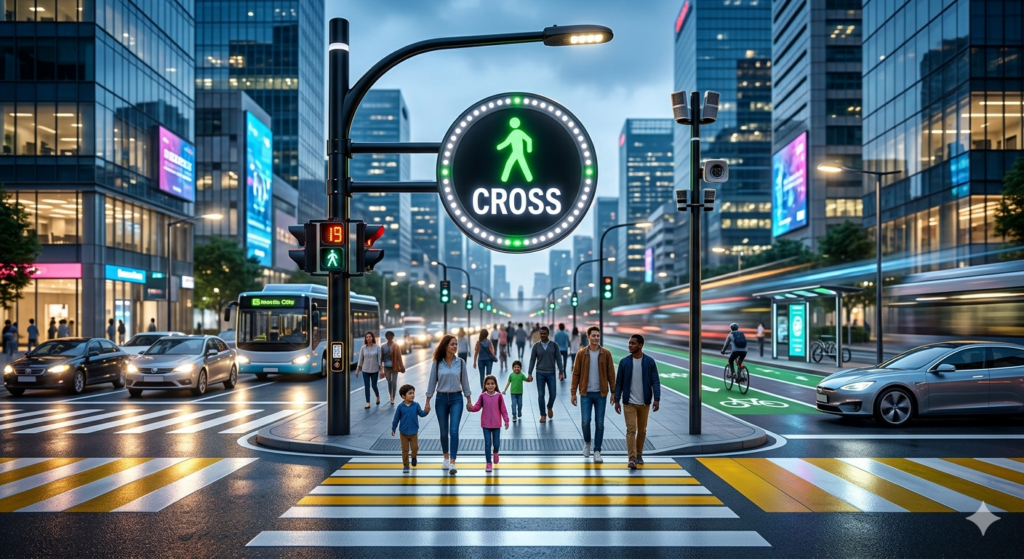
Recent 2025 statistics indicate a concerning correlation between poorly marked intersections and pedestrian incidents, prompting a surge in demand for better road safety road signs. Data from traffic safety bureaus shows that intersections lacking clear visual aids experience significantly higher collision rates compared to those with comprehensive signage systems. This trend is driving city planners and private contractors to prioritize upgrades to their existing infrastructure. The market response has been a shift toward higher visibility materials and retroreflective sheets that ensure signs remain effective under all weather conditions. For wholesalers and distributors, this presents a vital opportunity to supply products that directly address public safety concerns and regulatory mandates.
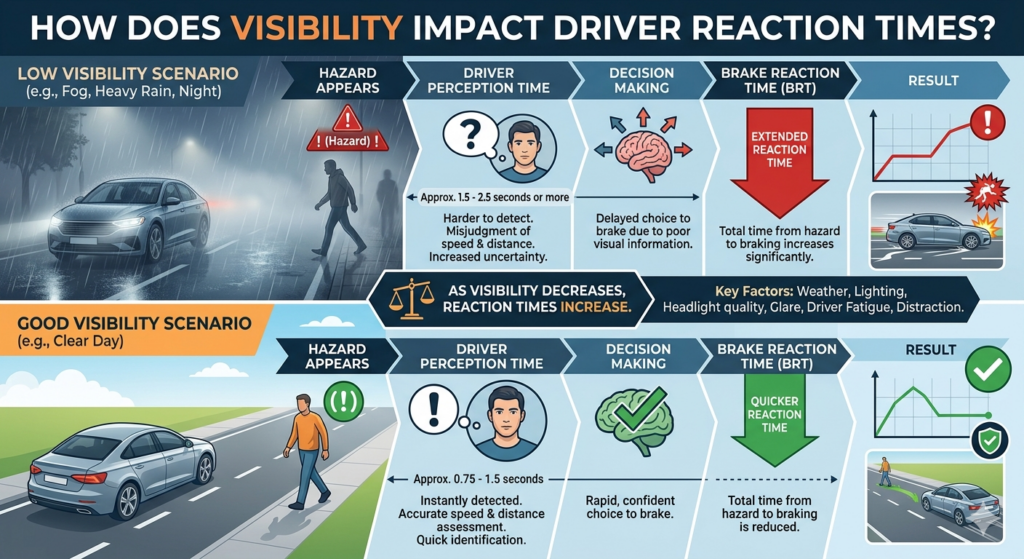
1.2. How Does Visibility Impact Driver Reaction Times?
The effectiveness of all sign traffic solutions relies heavily on how quickly a driver can process the information and react accordingly. Studies conducted in early 2025 suggest that high-visibility pedestrian crossing signs can reduce vehicle speeds by up to 15% in advance of crosswalks. This deceleration is crucial because it provides drivers the necessary seconds to stop for pedestrians, thereby preventing potential fatalities. Modern customization options now allow for the integration of fluorescent borders and diamond-grade reflective materials, which catch headlights earlier than standard signage. Businesses focusing on wholesale traffic safety equipment must emphasize these performance features to clients who are looking to maximize their safety budgets while minimizing liability.
1.3. How Are 2026 Market Trends Shaping Product Development?
Looking ahead to 2026, market insights predict a robust growth trajectory for the traffic safety sector, driven by smart city initiatives and stricter government safety regulations. The focus is shifting from standard signage to intelligent, durable solutions that require less frequent maintenance and offer longer service lives. Manufacturers are exploring new composite materials that resist UV fading and vandalism, ensuring that crossing signs for pedestrians remain legible for years. For B2B buyers, this means investing in products that offer a lower total cost of ownership. Suppliers who offer a wide range of customization options, from specific logo placements to unique sizing, are poised to capture a significant share of the expanding market as municipalities upgrade their aging infrastructure.
1.4. Why Should Businesses Invest in Wholesale Signage Solutions?
For contractors, construction firms, and government procurement officers, purchasing road safety road signs through wholesale channels offers distinct economic and operational advantages. Buying in bulk allows for uniformity across large projects, ensuring that every crossing within a specific jurisdiction or development meets the same high standards of safety and visibility. Furthermore, wholesale providers often possess the capacity for extensive customization, enabling clients to specify exact MUTCD (Manual on Uniform Traffic Control Devices) compliance or regional variations. This streamlined procurement process not only reduces per-unit costs but also ensures that projects are completed on time without compromising on the quality of essential safety equipment.
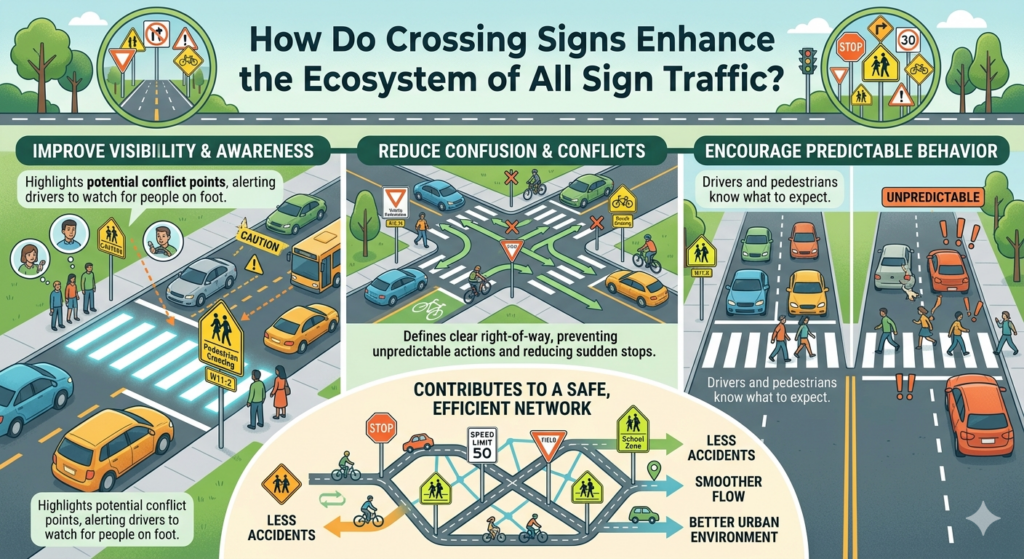
2. How Do Crossing Signs Enhance the Ecosystem of All Sign Traffic?
Pedestrian crossing signs do not function in isolation; they are an integral component of a broader network of all sign traffic management systems. Their presence dictates the behavior of drivers and pedestrians, creating a predictable environment that reduces the cognitive load on all road users. When businesses consider the implementation of these signs, they must evaluate how they interact with other traffic control devices such as stop lights, speed limit signs, and warning markers. A holistic approach to signage ensures a seamless flow of traffic and enhances the overall safety profile of the area.
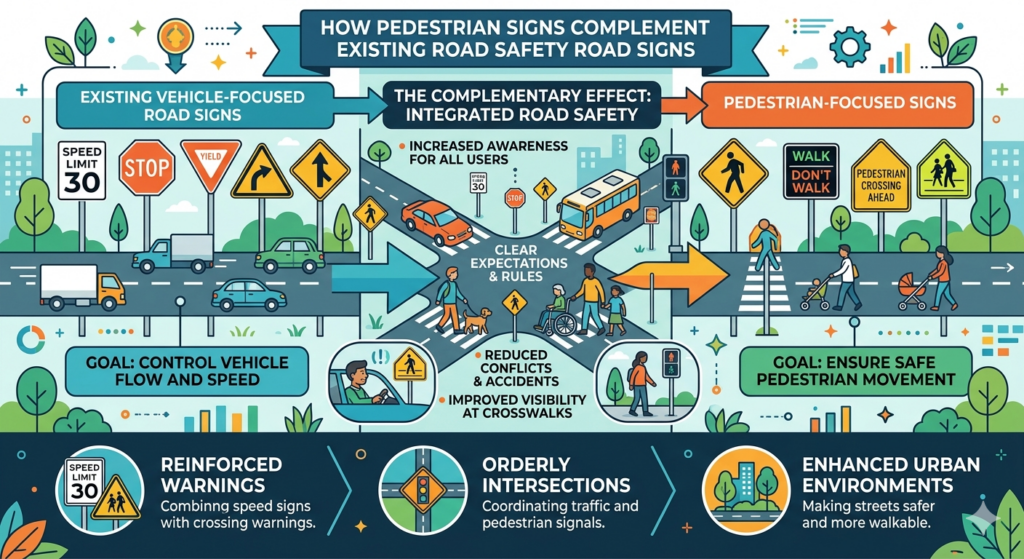
2.1. How Do Pedestrian Signs Complement Existing Road Safety Road Signs?
Integration is key when deploying new crossing signs for pedestrians alongside existing road safety road signs. A well-planned signage scheme uses consistent fonts, colors, and reflective grades to guide drivers subconsciously from one instruction to the next. For instance, a pedestrian crossing sign placed before a stop sign reinforces the need for vigilance, preparing the driver for a potential stop. Disjointed or inconsistent signage, conversely, can lead to driver confusion and hesitation, which are common causes of rear-end collisions. Customization plays a vital role here, allowing businesses to match new installations with the legacy infrastructure of a city or private campus, maintaining a professional and cohesive aesthetic.
2.2. Why Is Standardization Important in All Sign Traffic Manufacturing?
Standardization ensures that regardless of where a driver is, the visual language of the road remains consistent and instantly recognizable. The market for all sign traffic products is heavily governed by standards that dictate shape, color, and symbols, particularly for crossing signs for pedestrians. These regulations are not static; they evolve to reflect new research on human factors and visibility. For wholesale buyers, partnering with manufacturers who are up-to-date with the 2025 and projected 2026 regulatory changes is essential. Customization does not imply ignoring standards; rather, it involves applying high-quality manufacturing processes to standard designs to produce superior durability and clarity that exceeds the minimum requirements.
2.3. How Does Customization Improve Effectiveness for Specific Locations?
While standardization sets the baseline, customization allows for optimization based on specific environmental factors and usage patterns. A school zone requires different handling than a busy downtown crosswalk or a private industrial park road. Custom road safety road signs can include specific text, such as “STOP FOR PEDESTRIANS” or “YIELD TO PEOPLE,” which adds a layer of explicit instruction beyond standard symbols. Furthermore, bespoke mounting solutions and dual-language signs can cater to the unique demographic needs of a region. Businesses that offer these tailored solutions provide added value to their clients, solving complex site-specific challenges that off-the-shelf products cannot address.
2.4. Why Are Material Choices Critical for Long-Term Durability?
The longevity of crossing signs for pedestrians is directly linked to the materials used in their construction. In the competitive landscape of all sign traffic products, the shift is toward heavy-duty aluminum alloys and high-performance prismatic reflectivity. These materials withstand harsh weather conditions, from extreme heat to freezing winters, without warping or losing reflectivity. For wholesale purchasers, understanding the material science behind the products is crucial for advising clients correctly. A sign that fades or cracks within a year reflects poorly on the contractor and increases maintenance costs for the municipality. Therefore, sourcing from manufacturers who guarantee material quality is a strategic imperative for long-term success.
3. Which Features Define High-Quality Road Safety Road Signs?
Selecting the right signage involves more than just picking a design from a catalog; it requires a deep understanding of what makes a sign effective and durable. As we progress through 2025, the benchmark for road safety road signs has risen, with an emphasis on sustainability, visibility, and structural integrity. Buyers must discern which features offer the best return on investment and the highest safety margins. This discernment is particularly important when dealing with high-traffic areas where the risk of accidents is elevated and the scrutiny of public infrastructure is intense.
3.1. Why Is Retroreflectivity a Key Performance Indicator?
Retroreflectivity is the property that allows a sign to bounce light back to its source, making it visible at night or in low-light conditions. For crossing signs for pedestrians, this is perhaps the most critical technical specification. Industry standards for 2025 have tightened the requirements for retroreflective levels, pushing manufacturers toward prismatic technology that offers superior brightness and longevity. When all sign traffic inventory is evaluated, the intensity of the reflection is a primary differentiator between a standard sign and a premium safety product. High-intensity prismatic sheeting ensures that the sign is legible from greater distances, giving drivers ample time to react, thereby significantly enhancing road safety.
3.2. How Do Custom Graphics and Wording Enhance Comprehension?
While universal symbols are the bedrock of traffic safety, custom graphics and additional wording can significantly enhance driver and pedestrian comprehension. In complex intersections, standard crossing signs for pedestrians might be supplemented with plaques indicating specific crossing times or warning of pedestrian volume. Customization allows for the integration of pictograms of children or elderly figures, which can psychologically influence driver behavior to be more cautious. For businesses dealing in wholesale traffic safety, offering a suite of customization options—from digital printing capabilities to variable text overlays—positions them as a full-service solution provider capable of meeting the nuanced needs of modern infrastructure projects.
3.3. Why Is Resistance to Vandalism and Environmental Stress Vital?
Public infrastructure is frequently subjected to wear and tear, ranging from deliberate vandalism to inadvertent damage from road debris and weather. Road safety road signs must be engineered to resist these forces to maintain their structural integrity and visual clarity. Innovations in 2025 have introduced graffiti-resistant coatings and impact-resistant polymers that can be used in conjunction with traditional aluminum bases. For wholesale buyers, promoting these durable features is a strong selling point, as they reduce the lifecycle cost of the product. A sign that resists environmental stress remains compliant and effective for longer periods, ensuring that the investment in safety continues to pay dividends well into the future.
3.4. How Can Sustainability Be Integrated into Sign Manufacturing?
Sustainability is becoming a decisive factor in procurement decisions for all sign traffic products, with a strong push anticipated by 2026. Municipalities and large corporations are increasingly seeking vendors who utilize recycled materials and eco-friendly manufacturing processes. Crossing signs for pedestrians can now be produced using recycled aluminum and water-based inks that do not compromise on reflectivity or durability. Highlighting the green credentials of these products allows wholesalers to tap into government contracts that mandate sustainable purchasing practices. This alignment with environmental goals not only protects the planet but also enhances the corporate social responsibility profile of the businesses involved in the supply chain.
4. How Can Businesses Optimize Their Procurement of Crossing Signs for Pedestrians?
For B2B clients, the procurement process for traffic safety equipment is a strategic operation that balances cost, quality, and compliance. Navigating the market for crossing signs for pedestrians requires a clear understanding of volume needs, customization specifications, and supplier reliability. As the demand for upgraded infrastructure grows, businesses must develop procurement strategies that ensure they receive the best products at competitive prices. This section outlines how companies can optimize their purchasing processes to secure top-tier road safety road signs that meet the rigorous demands of 2025 and beyond.
4.1. Why Is Partnering with a Specialized Wholesaler Beneficial?
Partnering with a specialized wholesaler offers distinct advantages over purchasing from general hardware suppliers. Specialized wholesalers possess deep inventory of all sign traffic varieties and the technical expertise to advise on specific regulatory compliance issues. They understand the nuances of crossing signs for pedestrians and can provide insights into the best products for specific applications. Furthermore, established wholesalers have robust supply chains that ensure timely delivery, which is critical for projects with strict deadlines. By leveraging the expertise and stock of a dedicated wholesaler, businesses can streamline their procurement operations and ensure they are installing compliant, high-quality safety equipment.
4.2. How Does Bulk Customization Drive Cost Efficiency?
Bulk customization is a powerful tool for driving cost efficiency, particularly for large-scale developments or municipal-wide upgrades. When ordering road safety road signs in large quantities, manufacturers can optimize their production runs, passing the savings on to the buyer. Customization, such as adding a city logo or specific street names, becomes cost-effective when amortized over a large volume. This approach allows for a bespoke look without the bespoke price tag. Businesses should calculate their projected needs for the coming years to capitalize on volume pricing, securing high-quality crossing signs for pedestrians while optimizing their budget allocation for other critical safety infrastructure.
4.3. Why Is Compliance with Future Standards a Necessary Consideration?
Regulatory frameworks for traffic safety are dynamic, with updates frequently introduced to reflect new safety research. Procurement strategies must look beyond current requirements to anticipate the standards of 2026 and beyond. Investing in crossing signs for pedestrians that exceed current minimum standards can safeguard against the need for premature replacements. All sign traffic manufacturers are constantly innovating, and forward-thinking buyers will select products that are “future-proof.” This proactive approach to compliance prevents the disruption and cost of retrofitting infrastructure shortly after installation, demonstrating a commitment to long-term public safety and fiscal responsibility.
4.4. How Can Quality Assurance Protocols Protect Your Investment?
Implementing rigorous quality assurance (QA) protocols is essential to protect the investment in traffic safety equipment. Before finalizing a wholesale order for road safety road signs, buyers should verify the manufacturer’s QA processes, including material testing and reflectivity measurements. High-quality crossing signs for pedestrians should arrive with certification of compliance and be free of defects that could impair their function. Establishing a clear agreement on quality standards and return policies mitigates the risk of receiving subpar products. For businesses, ensuring that every sign meets the required specifications before installation is crucial for maintaining safety standards and avoiding liability issues.
Conclusion
The role of crossing signs for pedestrians in maintaining road safety cannot be overstated. As we analyze the trends of 2025 and look toward the insights of 2026, it is clear that the demand for high-quality, durable, and compliant road safety road signs will continue to rise. These signs are fundamental components of the all sign traffic ecosystem, providing critical guidance that saves lives and streamlines urban mobility. For businesses and municipalities, the path forward involves partnering with reputable wholesalers who offer superior customization options and a commitment to quality.
By prioritizing visibility, durability, and regulatory compliance, stakeholders can ensure that their infrastructure investments yield the highest safety returns. Whether upgrading a single intersection or overhauling a city’s traffic management system, the focus must remain on acquiring products that offer reliability and performance. We urge procurement officers and contractors to review their current safety signage strategies and consider the long-term benefits of premium, customized solutions.
Frequently Asked Questions
1. Why are crossing signs for pedestrians considered critical for road safety infrastructure?
Crossing signs for pedestrians are critical because they establish clear right-of-way and alert drivers to upcoming high-traffic pedestrian zones, such as crosswalks and school areas. By providing advanced warning, these signs reduce vehicle speeds and increase driver attentiveness, which are essential factors in preventing accidents and fatalities.
2. How do recent 2025 statistics impact the demand for road safety road signs?
Recent 2025 statistics indicate a rise in pedestrian-vehicle incidents in areas with poor visibility, driving a significant increase in demand for high-performance road safety road signs. Municipalities and contractors are now prioritizing the installation of signs with higher retroreflectivity to meet stricter safety standards and reduce accident rates effectively.
3. What customization options are available when purchasing all sign traffic products in bulk?
When purchasing all sign traffic products in bulk, businesses can access a wide range of customization options, including specific reflective sheeting grades (e.g., Diamond Grade), custom city logos, bilingual text, and unique sizing. These options allow buyers to meet specific local regulations while maintaining brand consistency across municipal or private industrial projects.
4. How does buying wholesale crossing signs for pedestrians benefit B2B contractors?
Buying wholesale allows B2B contractors to secure significant cost savings per unit, ensuring budget compliance for large-scale infrastructure projects. Additionally, wholesale suppliers often provide better inventory availability and dedicated logistical support, ensuring that contractors have a consistent supply of materials to meet project deadlines without delays.
5. Why is retroreflectivity important for the effectiveness of road safety road signs?
Retroreflectivity is vital because it ensures that signs are visible at night and during adverse weather conditions by bouncing vehicle headlights back to the driver. High levels of reflectivity give drivers more time to react to crossing signs for pedestrians, which is a key factor in preventing nighttime accidents and improving overall road safety.
6. What are the projected market trends for all sign traffic products in 2026?
Market insights for 2026 project a shift toward smart, durable, and sustainable traffic signage solutions. There is an increasing demand for signs made from eco-friendly materials and those that integrate with smart city technologies, as well as a continued focus on enhanced durability to reduce maintenance costs for urban planners.
7. How can custom crossing signs for pedestrians improve safety in specific zones like schools or industrial parks?
Custom signs can be tailored with specific warnings, such as “School Crossing” or “Forklift Traffic,” which address the unique hazards of specific locations. By using targeted messaging and high-visibility graphics, these customized signs provide more explicit guidance than standard signs, thereby enhancing safety for vulnerable groups and workers.
8. Why should businesses choose manufacturers that comply with future safety standards for road safety road signs?
Choosing manufacturers who comply with future standards ensures that the infrastructure installed today remains valid and effective for years to come, avoiding the cost of premature replacements. As regulations for road safety road signs are expected to tighten further, investing in compliant, high-quality products future-proofs the investment and ensures continuous safety compliance.
9. What materials are recommended for durable all sign traffic installations?
For maximum durability, heavy-duty aluminum alloys and high-performance prismatic or diamond-grade reflective sheeting are recommended. These materials are resistant to rust, UV fading, and impact damage, ensuring that crossing signs for pedestrians withstand harsh environmental conditions and maintain their structural integrity over time.
10. How do bulk orders of crossing signs for pedestrians ensure project uniformity?
Bulk orders allow for the production of signs using identical materials, printing processes, and color specifications, which ensures visual uniformity across an entire development or city district. This consistency is crucial for driver recognition and trust in the signage system, as standardized visuals reduce cognitive load and improve the overall flow of traffic.