Introduction
Road safety remains a paramount concern for municipalities, urban planners, and private contractors worldwide as traffic volumes continue to rise globally. Traditional static signage, while necessary, often fails to capture the attention of distracted drivers or effectively communicate the urgency of speed limits in high-risk areas. The limitations of passive enforcement have created a critical need for dynamic solutions that actively engage drivers and modify behavior in real-time. Addressing this challenge requires a strategic shift toward intelligent infrastructure capable of providing immediate feedback and data-driven insights to enhance overall road safety.
The digital speed sign has emerged as a transformative technology in this landscape, offering a proven method for traffic calming that goes beyond simple reminders. By utilizing Doppler radar technology, a radar speed sign detects the velocity of oncoming vehicles and displays it instantaneously, creating a “feedback loop” that psychologically prompts drivers to reduce their speed. This active intervention has been shown to significantly lower accident rates in school zones, construction sites, and residential neighborhoods. As we progress through 2025 and look toward the infrastructure demands of 2026, the adoption of these smart devices is accelerating, driven by their effectiveness and the growing availability of advanced features.
For B2B buyers, wholesalers, and large-scale project managers, the procurement of these devices involves complex decision-making processes that balance cost, durability, and functionality. The market offers a vast array of options, from basic standalone units to sophisticated radar speed display systems integrated with solar power and cloud analytics. Selecting the right partner and product configuration is crucial for ensuring that the investment yields long-term value and meets specific regulatory requirements. Understanding the intricacies of wholesale pricing and customization options is essential for businesses aiming to secure competitive advantages in the growing traffic safety sector.
This guide provides a detailed framework for navigating the selection process, ensuring that stakeholders are equipped with the knowledge to make informed purchasing decisions. We will explore the mechanics behind these devices, the key specifications that dictate performance, and the strategic benefits of customization for large-scale deployments. By addressing the critical questions of why, how, and which, this content serves as a comprehensive resource for professionals dedicated to improving road safety through high-quality, effective traffic management solutions.
1. Why Traffic Safety Depends on Advanced Digital Speed Sign Technology
Traffic management has evolved significantly beyond static posted limits, requiring dynamic solutions that actively engage drivers to ensure compliance. The integration of a digital speed sign into road infrastructure has become a cornerstone of modern traffic calming strategies, moving beyond passive reminders to active intervention. These devices provide real-time feedback, creating a psychological trigger that prompts drivers to voluntarily reduce their speed without the need for aggressive enforcement measures. The immediate visual confirmation of one’s speed bridges the gap between perceived safe driving and actual velocity, addressing the common issue of unintentional speeding caused by lack of attention.
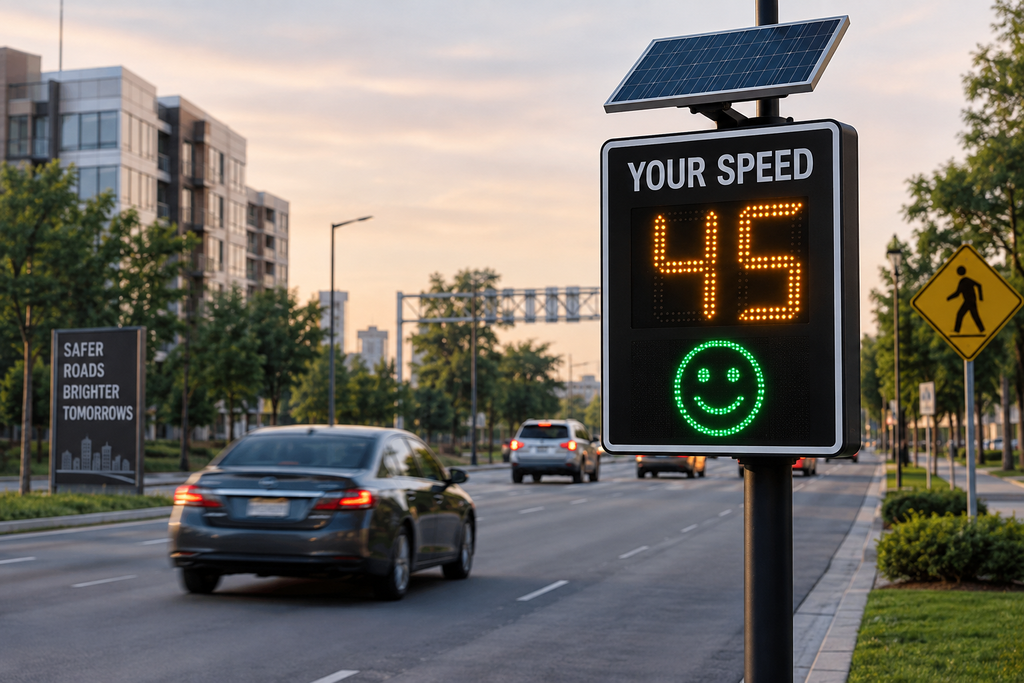
The implementation of these technologies addresses the critical “why” behind rising traffic incidents in high-risk zones such as school areas, construction sites, and residential neighborhoods. Traditional enforcement methods, while necessary, often react to violations after they occur, whereas a radar speed sign works to prevent violations before they lead to accidents. Industry data from early 2025 indicates that municipalities utilizing dynamic feedback loops see a reduction in average speeds by up to 20%, significantly lowering the probability of severe collisions. This proactive approach to safety is essential for urban planners aiming to create livable, walkable communities that prioritize pedestrian well-being alongside vehicular flow.
For wholesale buyers and large-scale contractors, the shift toward these advanced systems represents a substantial opportunity to modernize infrastructure portfolios. The demand is not merely for safety but for smart city integration, where a digital speed sign acts as a node in a broader network of intelligent transportation systems. Buyers are increasingly looking for solutions that offer robust data analytics, allowing for better resource allocation and long-term planning. This trend highlights a necessity for purchasing high-volume units that are durable, reliable, and capable of consistent performance in varied environmental conditions.
Looking ahead to 2026 market insights, industry analysts predict a surge in the adoption of customizable traffic solutions driven by stricter government regulations and increased safety budgets. This projected growth underscores the importance of selecting manufacturing partners who can scale production while maintaining rigorous quality control standards. For businesses involved in large-scale civil projects, understanding the driving forces behind this technology ensures that the solutions provided today remain relevant and compliant with the safety standards of tomorrow. Investing in the right technology now positions forward-thinking distributors as leaders in the movement toward zero-fatality roadways.
2. How a Radar Speed Sign Effectively Calms Traffic Flow
The fundamental mechanism behind a radar speed sign involves the precise use of Doppler radar technology to measure the velocity of oncoming vehicles with pinpoint accuracy. As a vehicle enters the detection zone, the device captures its speed and instantly displays it on a high-visibility LED matrix, creating a direct feedback loop for the driver. This process leverages the psychological principle of social compliance, where individuals tend to adjust their behavior when they are made aware that their performance is being observed. The immediate visual cue triggers a subconscious reaction, causing the driver to lift their foot off the accelerator, thereby smoothing traffic flow organically.
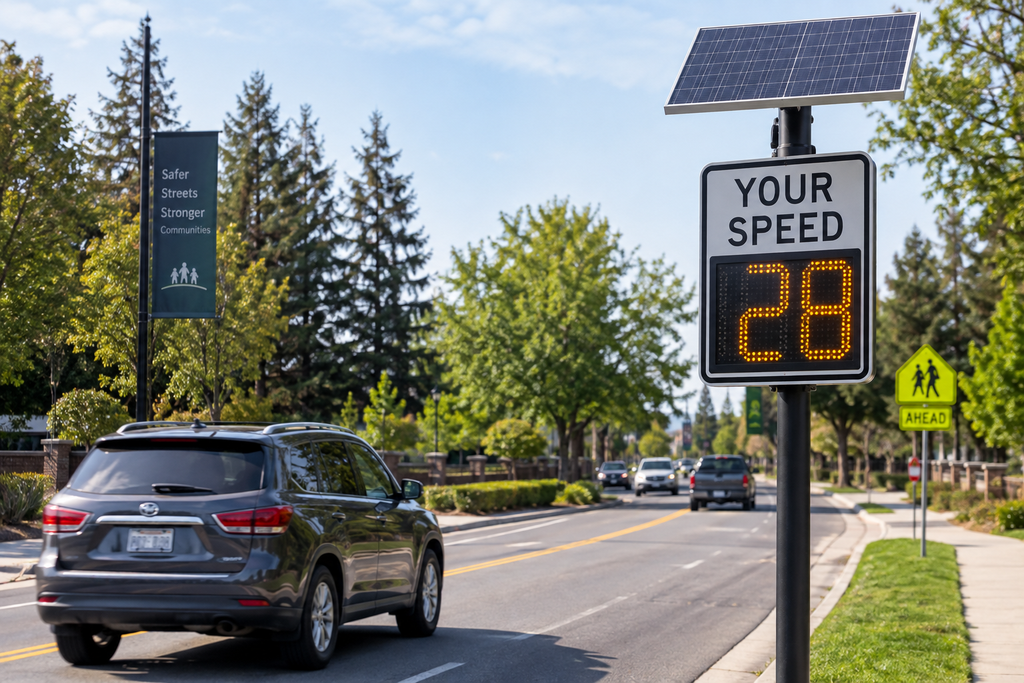
The effectiveness of these units is further amplified by their ability to differentiate between vehicles, ensuring that the displayed data remains relevant and engaging for the specific driver. Advanced models can filter out background noise or conflicting signals from adjacent lanes, presenting a clear and accurate reading that demands attention. This specificity prevents driver confusion and ensures that the digital speed sign remains a credible source of information. When drivers trust the data presented, they are more likely to adhere to the suggested limits, resulting in a cumulative effect that slows down the majority of traffic rather than just isolated outliers.
From a wholesale and customization perspective, the versatility of these devices allows them to be tailored to specific traffic calming objectives unique to different locales. For instance, signs deployed near school zones can be programmed to flash strobe lights when a vehicle exceeds a certain threshold, adding an extra layer of warning. Conversely, on highways, a radar speed display might focus on displaying average speeds to encourage steady flow rather than sudden braking. The ability to customize these parameters ensures that the equipment provides maximum utility regardless of the specific environment in which it is deployed.
Recent 2025 statistics demonstrate that the presence of these signs can reduce the likelihood of accidents in high-risk corridors by nearly 30% within the first few months of installation. This data is invaluable for city planners and private contractors who must justify the allocation of funds for traffic improvements. By offering solutions that deliver measurable results, wholesalers can provide their clients with the evidence needed to support ongoing investment in traffic safety infrastructure. The question is no longer about if these signs work, but how quickly they can be deployed to effect positive change on community roads.
3. Which Key Specifications to Prioritize in a Radar Speed Display
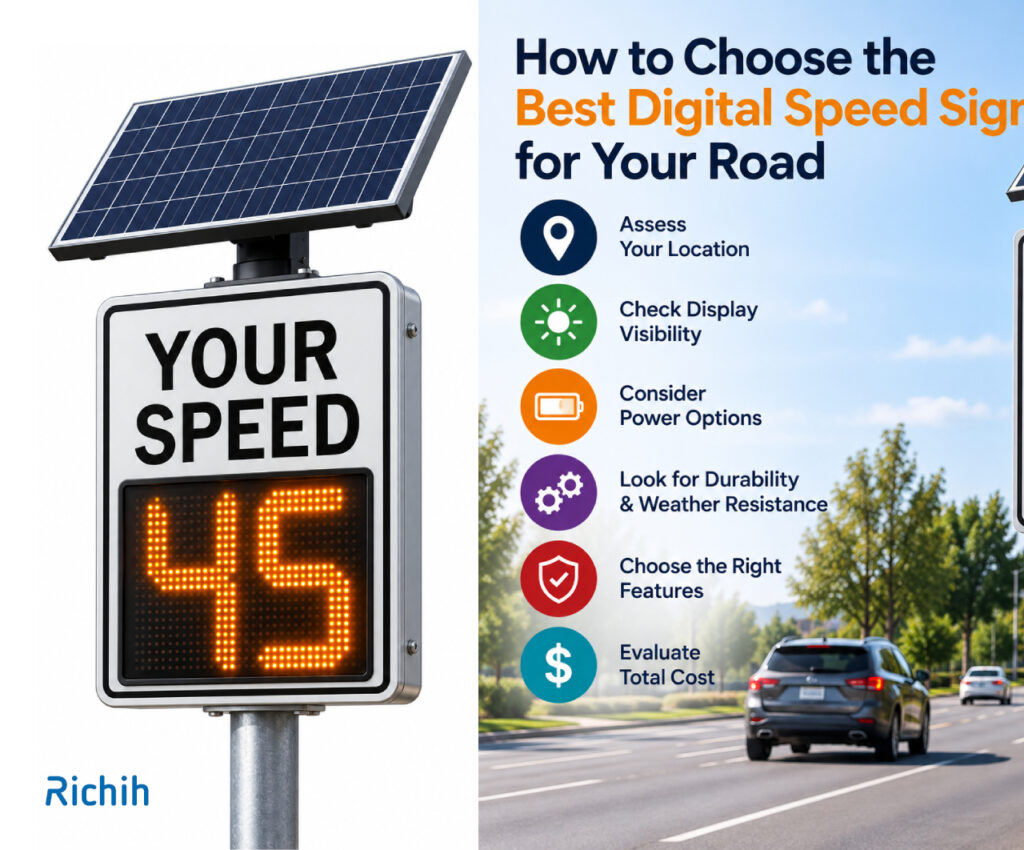
When selecting a radar speed display, the primary specification to consider is the brightness and clarity of the LED matrix, which must remain legible under direct sunlight and adverse weather conditions. High-intensity LEDs ensure that the speed reading is visible from a significant distance, giving drivers ample time to react and adjust their speed. For wholesale buyers, offering a range of color options, such as amber for standard warnings or red for violations, can add significant value to the product lineup. Visibility is the cornerstone of functionality; if the driver cannot read the sign, the safety benefits are completely negated, making optical quality a non-negotiable factor in the selection process.
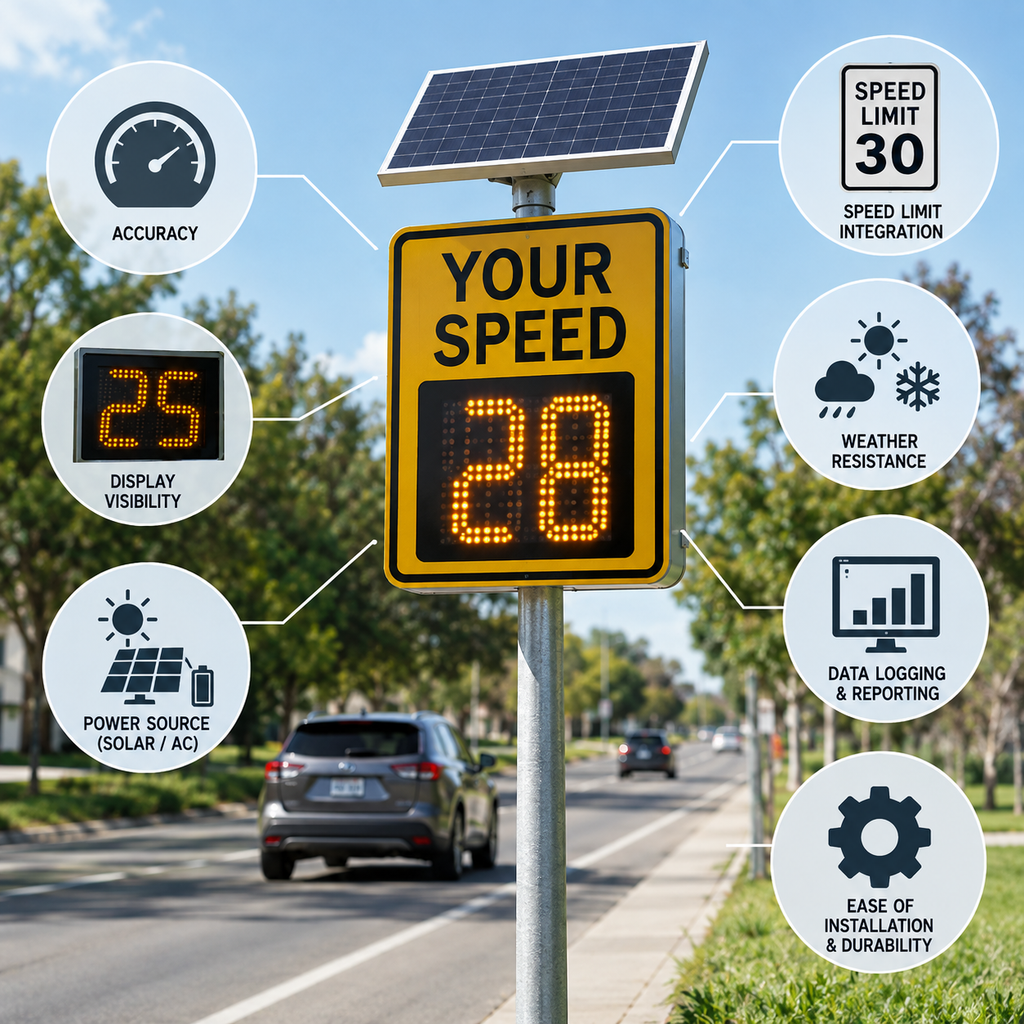
Another critical component is the power efficiency and longevity of the system, particularly for units intended for remote or off-grid installations. Solar-powered digital speed sign units have seen a massive spike in demand due to their ease of installation and low operational costs, aligning with the global push toward sustainable infrastructure. Advanced battery technology integrated into these units ensures functionality during cloudy days or overnight without requiring a constant grid connection. For 2026 deployments, energy efficiency is not just a preference but a requirement, as municipalities look to reduce the carbon footprint of their civic amenities while maintaining high operational standards.
The durability of the housing unit and the radar sensor itself determines the long-term return on investment for the purchaser. A radar speed sign must be engineered to withstand extreme temperatures, heavy rain, dust, and potential impact from road debris. Compliance with international protection ratings, such as IP65 or IP67, guarantees that the internal electronics remain sealed against moisture and solid particles. For wholesalers, providing products that utilize rugged, UV-stable polycarbonate or aluminum housings ensures that the inventory does not degrade prematurely, thereby reducing warranty claims and increasing customer satisfaction across the board.
Connectivity and data collection capabilities are increasingly becoming decisive factors for modern procurement decisions. Smart radar speed displays equipped with Bluetooth or cellular modules allow traffic engineers to download speed data, analyze traffic patterns, and adjust settings remotely without physically visiting the site. This capability transforms a simple speed sign into a valuable data collection tool that aids in broader urban planning initiatives. As we move further into the decade, the ability to offer IoT-enabled devices will distinguish premium wholesale suppliers from basic commodity vendors, providing a competitive edge in a crowded marketplace.
4. Why Customization and Wholesale Options Offer Long-Term Value
Opting for wholesale procurement of a digital speed sign unlocks significant economies of scale that are essential for large-scale infrastructure projects or municipal rollouts. Purchasing in bulk allows contractors and city planners to drastically reduce the per-unit cost, freeing up budget for installation and maintenance. Furthermore, wholesale suppliers often have the capacity to hold significant inventory, ensuring that project timelines are not delayed by supply chain shortages. This reliability is crucial for government contracts that have strict delivery deadlines and penalty clauses for non-compliance, making the stability of the supply chain a paramount consideration.
Customization adds a layer of value that mass-produced, off-the-shelf units simply cannot match, particularly when addressing the specific branding or regulatory requirements of different regions. A radar speed sign can be tailored with specific municipality logos, custom color schemes that match city branding, or specialized software that filters specific vehicle types. This level of personalization ensures that the final product integrates seamlessly into the existing streetscape and meets the exact technical specifications demanded by local authorities. For businesses, offering these bespoke solutions creates a sticky relationship with clients who return for repeat orders because they know their unique needs can be met.
The flexibility inherent in custom manufacturing extends to the operational capabilities of the radar speed display, allowing for features that cater to niche market segments. For example, private communities may require signs that integrate with automatic gate systems, while construction zones might need portable units with trailer mounts. By working with a manufacturer that offers extensive customization options, wholesalers can cater to a diverse array of customer profiles without needing to source from multiple vendors. This versatility streamlines the procurement process for the buyer and positions the wholesaler as a one-stop-shop for comprehensive traffic safety solutions.
Market insights for 2026 suggest that the demand for highly specialized, customized traffic safety equipment will outpace the demand for generic units as cities become more specific about their aesthetic and functional requirements. Investors and distributors who prioritize customizable inventory will likely capture a larger share of the market by future-proofing their product offerings. Establishing a direct line of communication with manufacturers who are willing to adapt their production lines for custom orders is, therefore, a strategic move. It ensures that the business remains agile and capable of responding to the evolving demands of the smart city sector.
5. How to Select a Reliable Manufacturing Partner for Your Needs
Identifying a manufacturing partner for a digital speed sign requires a rigorous assessment of their quality control protocols and certification standards. A reputable manufacturer should possess ISO certifications and adhere to international traffic safety standards, ensuring that every unit leaving the factory floor is built to perform safely and effectively. Buyers should request samples or visit production facilities to witness the assembly process firsthand, verifying that high-grade components are used rather than cheaper alternatives that could compromise the unit’s lifespan. Due diligence in this phase prevents costly recalls and reputational damage down the line.
The capacity for technological innovation is another defining trait of a top-tier manufacturer, especially in an industry that is rapidly embracing smart technologies. A partner for a radar speed sign should demonstrate a clear roadmap for product development, including advancements in radar accuracy, solar efficiency, and data analytics software. Inquiring about their R&D investments and upcoming product pipelines provides insight into whether the supplier can support your business needs in the long term. As the market evolves towards 2026 and beyond, partnering with a company that leads innovation rather than follows it will provide a significant competitive advantage.
Logistical capability and lead time management are equally critical when dealing with wholesale orders that often span international borders. The ideal manufacturer has a proven track record of fulfilling large orders within tight timeframes and offers robust logistics solutions to handle customs and shipping complexities. For a digital speed sign project, delays in delivery can stall construction or safety initiatives, resulting in financial penalties. Ensuring that the manufacturer has a dedicated logistics team and warehousing options in key regions can mitigate these risks and ensure a smooth supply chain experience from order placement to final delivery.
Finally, the level of post-sales support and warranty service provided by the manufacturer serves as a strong indicator of their confidence in the product and their commitment to customer success. Technical issues may arise during installation or operation, and having access to responsive engineering support can make the difference between a minor setback and a prolonged outage. A comprehensive warranty that covers the radar speed display components, particularly the expensive radar modules and LED matrices, protects the wholesaler’s margins. Establishing a partnership based on mutual support and transparency ensures that both parties can navigate the complexities of the B2B landscape successfully and sustainably.
Conclusion
Selecting the right traffic calming solution requires a deep understanding of both the technology and the specific needs of the road environment. A high-quality digital speed sign serves as a vital tool in enhancing safety, reducing speeds, and providing valuable data for future planning. By focusing on key specifications such as visibility, durability, and smart connectivity, buyers can ensure they are investing in equipment that delivers measurable results. The impact of these devices on driver behavior is well-documented, making them an indispensable asset for modern traffic management strategies.
For wholesalers and B2B clients, the importance of customization and bulk procurement cannot be overstated. The ability to tailor a radar speed sign to meet specific project requirements not only adds value but also ensures compliance with diverse municipal standards. As we look toward 2026, the market will continue to favor suppliers who can offer flexible, high-quality solutions at scale. Building a relationship with a manufacturer who prioritizes innovation and quality assurance is the key to capitalizing on the growing demand for intelligent traffic safety infrastructure.
To stay ahead in this competitive industry, it is essential to act now and secure a supply chain that can meet the rigorous demands of the future. Whether you are equipping a new development or upgrading existing infrastructure, choosing the right partner for your radar speed display needs will determine the success of your traffic safety initiatives. Contact us today to discuss your wholesale requirements and discover how our customizable solutions can help you build safer, smarter roads.
Frequently Asked Questions
1. What is a digital speed sign?
A digital speed sign is an electronic device that displays vehicle speed to drivers. It helps reduce speeding by providing instant, real-time feedback.
2. How does a radar speed sign work?
A radar speed sign uses Doppler radar to detect the velocity of oncoming vehicles. It instantly displays this speed on a high-visibility LED screen.
3. Why choose a radar speed display over static signs?
Radar speed displays actively engage drivers by showing their actual speed. They are proven to reduce speeds more effectively than static signage alone.
4. Can these signs be customized for wholesale orders?
Yes, wholesale orders can be customized with specific logos, colors, and software features. This ensures the signs meet specific municipal or client branding requirements.
5. Are solar-powered digital speed signs effective?
Solar-powered digital speed signs are highly effective for remote or off-grid locations. They offer significant cost savings on installation and electricity by using renewable energy.
6. What are the key features to look for?
Key features include high-visibility LED matrix, durable weatherproof housing, and radar accuracy. Buyers should also look for data connectivity options for traffic analytics.
7. Do radar speed signs work at night?
Yes, modern radar speed signs are equipped with bright LEDs visible in all lighting conditions. They remain effective 24/7 to ensure continuous traffic safety monitoring.
8. How long do these signs typically last?
High-quality radar speed displays are built to last for many years with minimal maintenance. Durable construction and weather-resistant materials ensure long-term operational life.
9. Is installation difficult for a radar speed sign?
Installation is generally straightforward and often requires mounting onto an existing pole. Solar-powered models simplify this further by eliminating the need for electrical trenching.
10. Can data be collected from these devices?
Many modern digital speed signs can collect traffic data like speed and vehicle count. This data is valuable for analyzing traffic patterns and planning future infrastructure improvements.