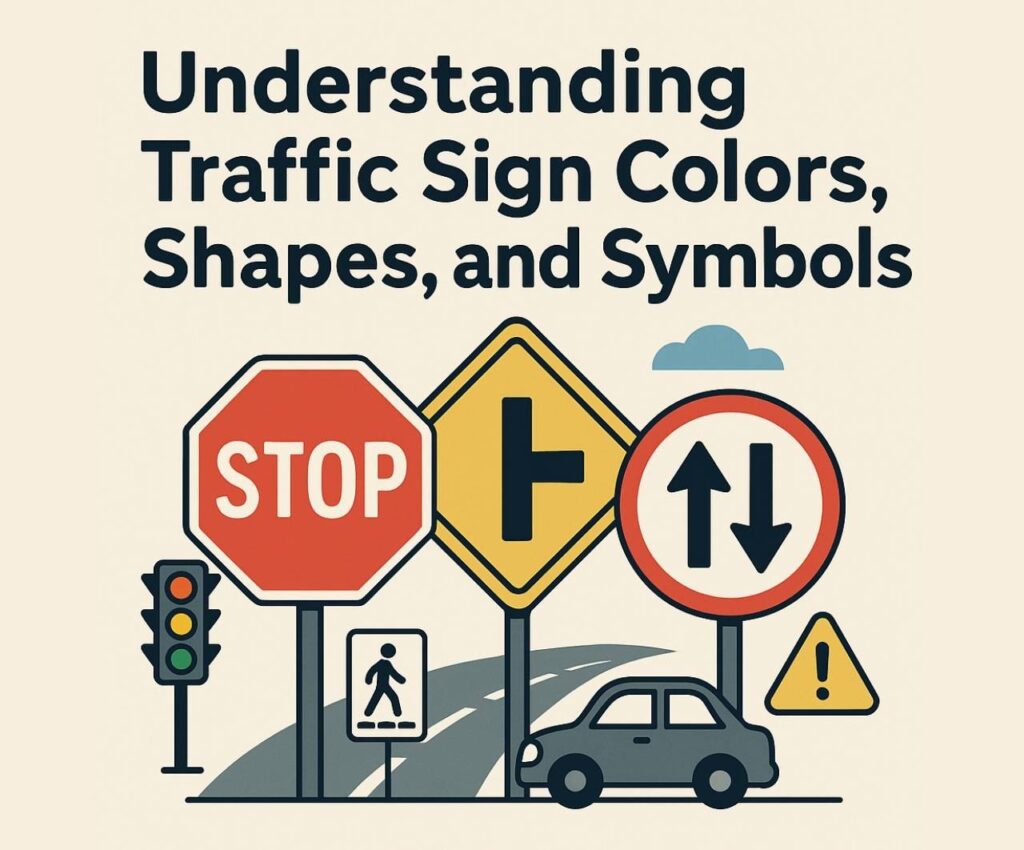
Traffic safety is a fundamental part of daily life, and understanding the meaning behind road signs is crucial for every driver, pedestrian, and cyclist. From stop signs to warning indicators, each traffic sign conveys important information designed to maintain order on the roads. In this comprehensive guide, we will explore traffic sign meanings, discuss Traffic Sign Colors, delve into road sign shapes, and provide a complete traffic symbols guide to help you navigate the roads safely and confidently. Know more..
Why Understanding Traffic Signs Matters
Traffic signs are not just pieces of metal or plastic on the roadside—they are visual tools that communicate essential information at a glance. Misinterpreting a sign can lead to accidents, fines, or unnecessary delays. Understanding traffic sign meanings ensures that drivers respond correctly to road conditions, speed limits, and traffic laws. Moreover, a solid knowledge of road sign colors and shapes helps in recognizing the urgency and type of instruction a sign conveys, while a reliable traffic symbols guide assists in quickly decoding unfamiliar or complex signs.
The Importance of Traffic Sign Colors
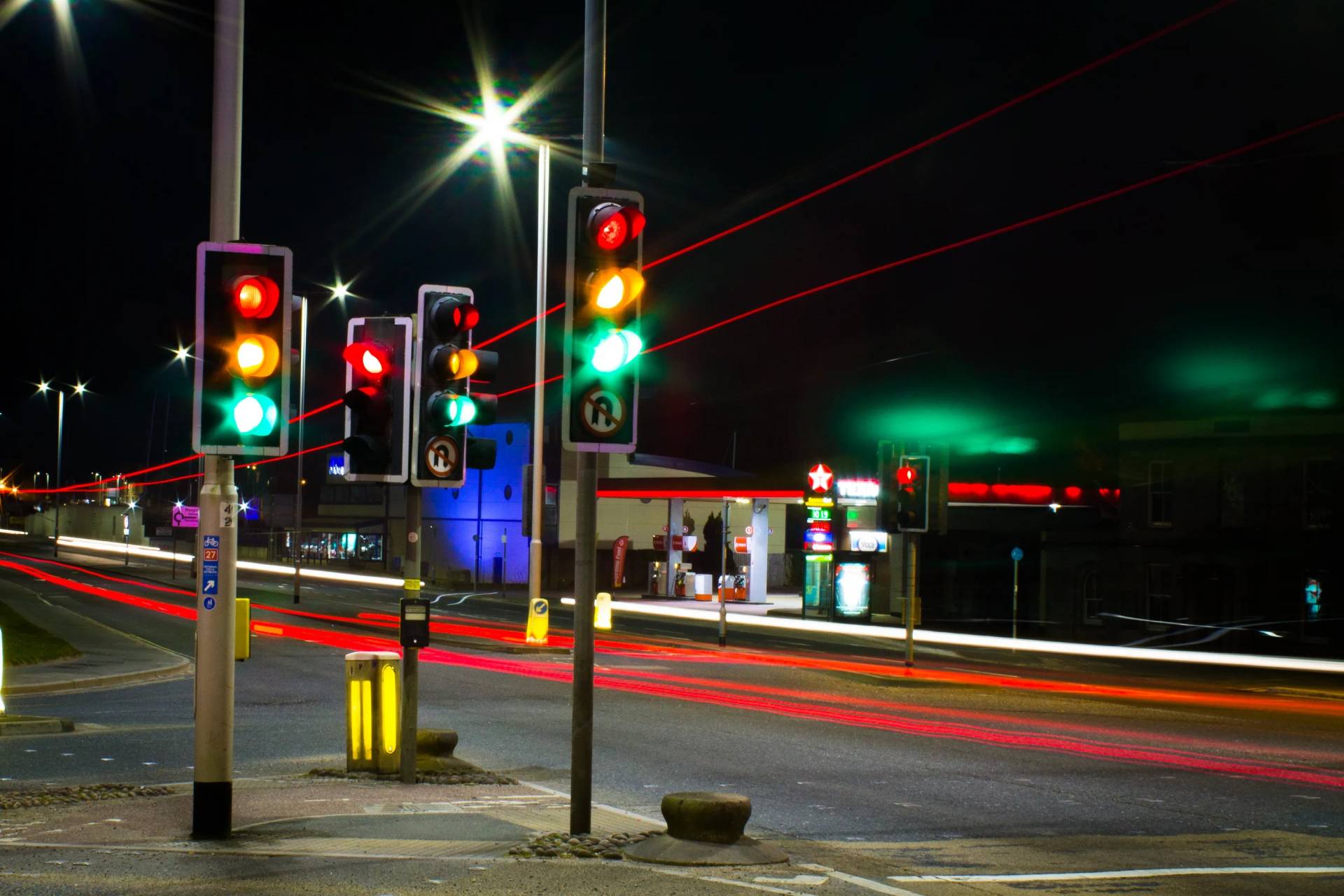
Colors on traffic signs are carefully chosen to convey specific types of information. Recognizing these colors can significantly improve road safety. Here’s a breakdown: Red indicates prohibitions or commands that require immediate action, such as stop, do not enter, or yield. Red commands attention and signals urgency. Yellow is used for warning signs that alert drivers to potential hazards or changes in road conditions ahead, like curves, pedestrian crossings, or slippery roads. Green provides directional guidance or permitted movements, such as highway exits or street names. Green signs help in navigation without indicating danger. Blue communicates informational services such as rest areas, hospitals, and parking zones.
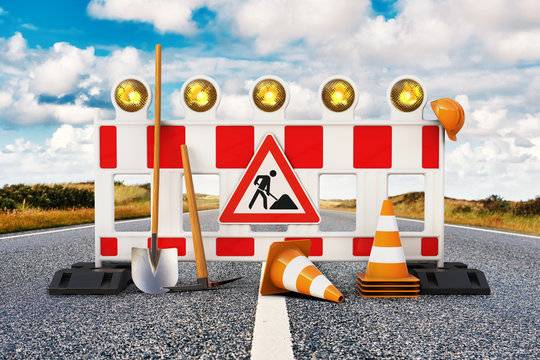
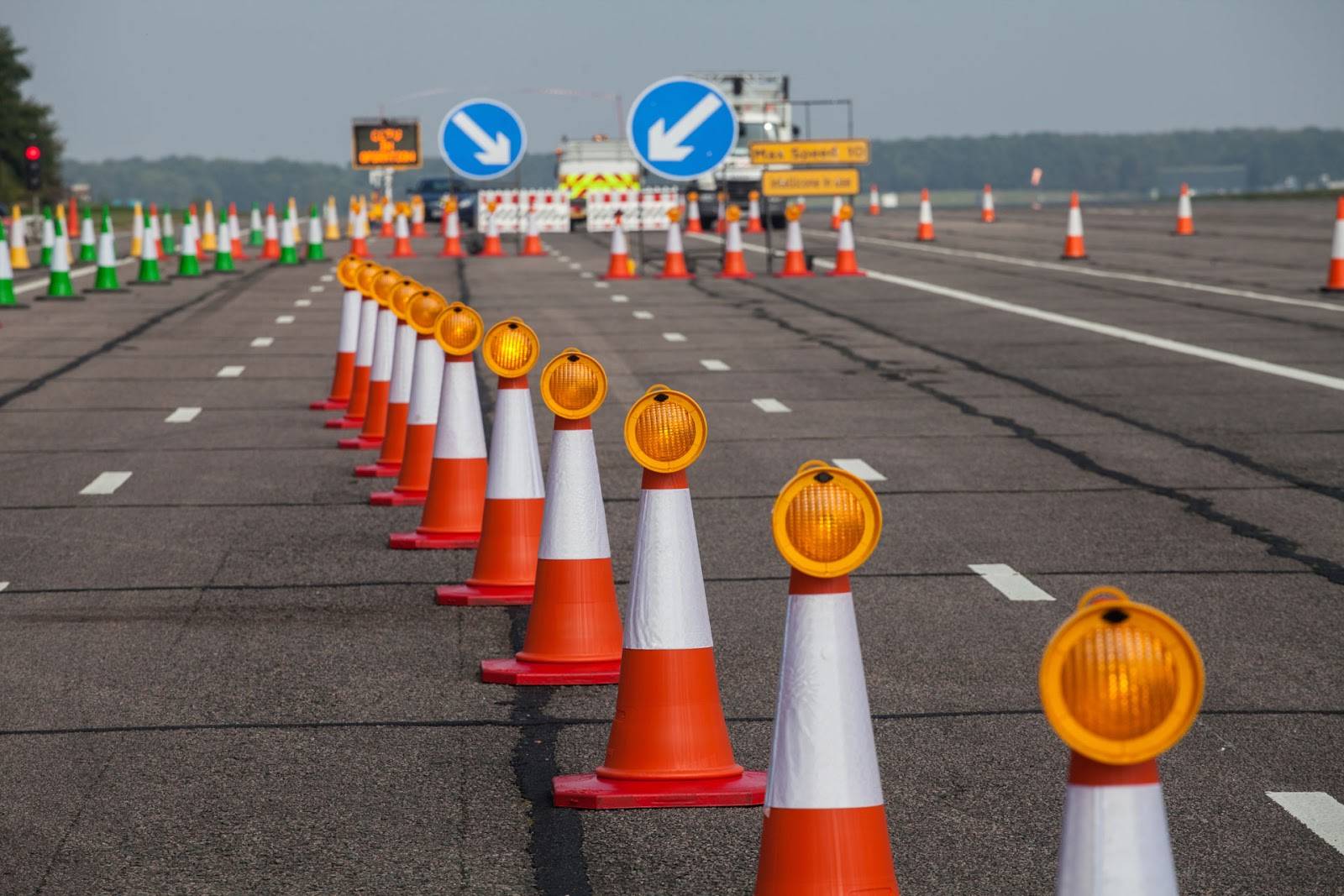
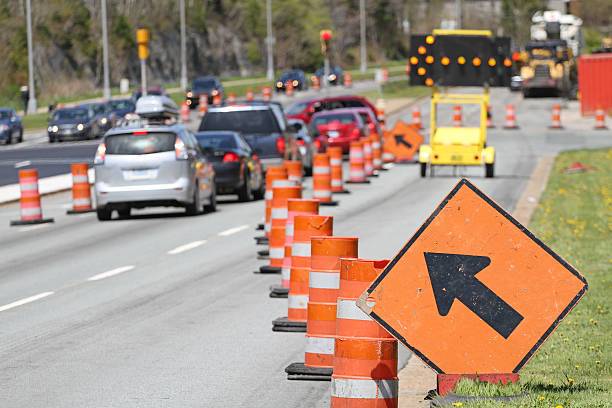
Orange signals temporary traffic control, often seen in construction zones. White and black are typically used for regulatory signs, like speed limits or parking restrictions. Understanding these colors is a critical part of road sign colors and shapes, as it allows drivers to prioritize which signs need immediate attention.
Traffic Sign Shapes and Their Meanings
Just as color conveys meaning, the shape of a traffic sign provides instant clues about the type of information it contains. Octagon is exclusively used for stop signs. The unique shape allows drivers to recognize the sign even from a distance or in poor visibility. Triangle (pointing down) denotes yield signs. The inverted triangle indicates caution and the need to give way. Diamond shapes are used for warning signs such as road hazards, curves, or pedestrian crossings.
The diamond shape signals that drivers must be alert. Rectangle (vertical and horizontal) provides regulatory information (vertical) or guidance and directions (horizontal). Pentagon represents school zones or school crossings. The five-sided shape is associated with safety for children. Circle is generally used for railroad crossings or other unique alerts that require immediate attention. Recognizing these shapes in combination with their color is a cornerstone of interpreting traffic sign meanings effectively.
Understanding Traffic Symbols
Symbols on traffic signs are graphical representations designed to be universally understood, regardless of language. Common symbols and their meanings include: Pedestrian Symbol indicates a crosswalk or pedestrian area. Bicycle Symbol shows bike lanes or shared road spaces for cyclists. Arrow Symbols indicate direction, lane usage, or turning rules. Railroad Tracks Symbol warns of approaching railway crossings. No Entry Symbol (Red Circle with Line) signals areas where vehicles are prohibited. School Zone Symbol alerts drivers to slow down and watch for children. Having a traffic symbols guide on hand, especially for new drivers, can drastically reduce confusion and improve safety.
Tips for Remembering Traffic Sign Meanings
Tips for remembering traffic sign meanings include grouping signs by function into regulatory, warning, guide, and informational categories to make memorization easier. Using flashcards or visual aids helps reinforce recognition of colors, shapes, and symbols. Practicing in real life by observing traffic signs during drives and associating them with actions improves retention. Digital apps with quizzes and interactive traffic symbols guides also help learners. By focusing on these strategies, you can improve your knowledge of traffic sign meanings and confidently respond to all road situations.
Common Mistakes Drivers Make
Even experienced drivers sometimes misinterpret traffic signs. Common mistakes include ignoring warning signs like curves or slippery roads due to overfamiliarity, confusing similar symbols such as pedestrian and bicycle signs, or not noticing temporary orange construction signs, which can result in accidents. Avoiding these mistakes starts with a thorough understanding of road sign colors and shapes and using a reliable traffic symbols guide.
Benefits of Knowing Traffic Sign Colors, Shapes, and Symbols
Knowing traffic sign colors, shapes, and symbols provides several benefits, including safety by preventing accidents, legal compliance by helping drivers follow traffic laws, efficient navigation by understanding guidance signs quickly, and confidence for new drivers, reducing anxiety and uncertainty on the road.
Enhancing Your Knowledge
Traffic signs are constantly updated to reflect modern traffic needs. To stay current, study the latest road safety manuals, take online quizzes or driver education programs, and practice interpreting signs during night drives or adverse weather conditions to improve recognition skills. A modern traffic symbols guide often includes digital apps or PDFs with images of each sign, including its color, shape, and meaning. Using these tools ensures drivers remain informed and alert.
Conclusion
Understanding traffic sign meanings, road sign colors and shapes, and having a comprehensive traffic symbols guide is not just a requirement for passing a driving test—it is a vital part of safe driving. Recognizing the nuances of colors, the significance of shapes, and the clarity of symbols can save lives, prevent accidents, and ensure smooth traffic flow. Whether you are a new driver, a professional driver, or someone simply seeking to refresh your knowledge, mastering traffic signs is essential for navigating roads with confidence and safety. Stay informed, stay alert, and remember: every color, shape, and symbol on the road is there to guide and protect you.