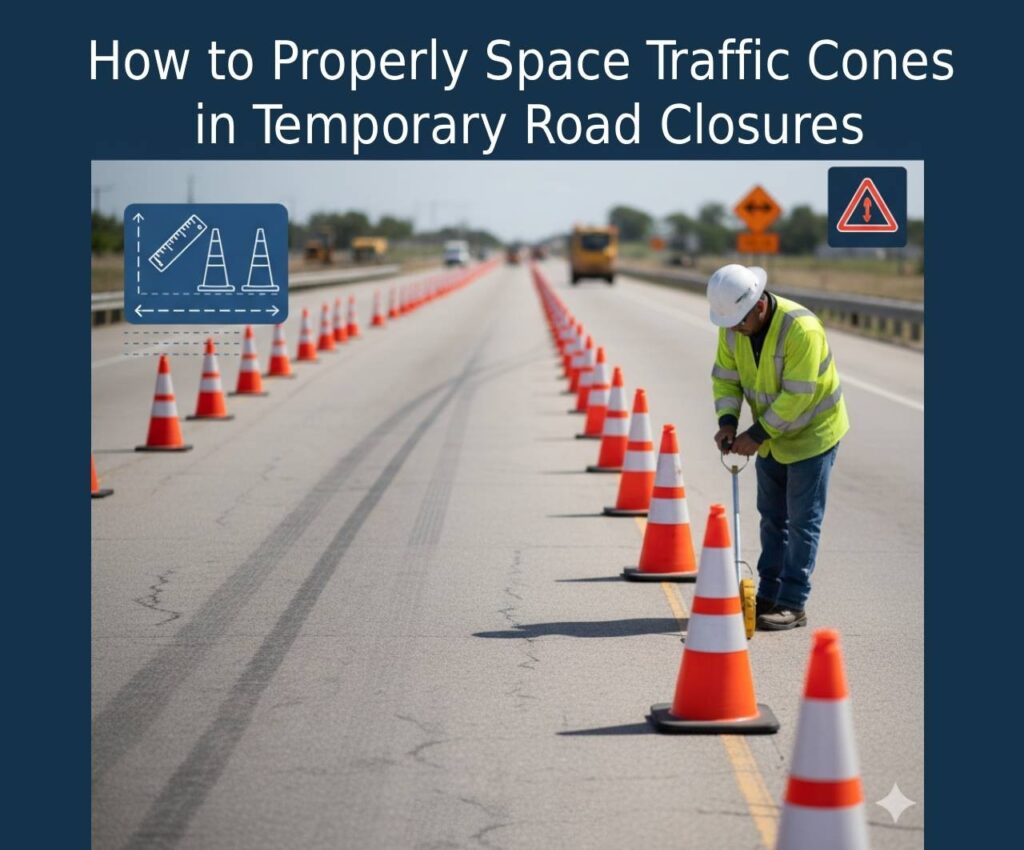
When setting up a safe, compliant temporary road closure, choosing the right equipment is only half the challenge—the real difference lies in correct placement. From using a traffic cone bar for lane delineation to positioning black traffic cones in low-light zones and deploying pink traffic cones for event-related traffic, spacing standards directly impact safety, visibility, and flow efficiency. Whether you’re a contractor, city planner, or bulk buyer, understanding proper cone spacing is essential to maintaining order in dynamic work zones. Know more.
The Science Behind Cone Spacing
Proper cone spacing isn’t just about looks—it’s about managing driver perception, guiding vehicle movement, and reducing liability. Federal and regional regulations such as those from the MUTCD (Manual on Uniform Traffic Control Devices) set the framework for spacing intervals. These typically depend on traffic speed, type of closure, lane shift length, and cone size.
In general:
- For low-speed roads (25 mph or below), cones may be spaced 10–15 feet apart.
- On roads with 45–55 mph speed limits, spacing increases to 40–50 feet.
- Traffic cone bar extensions often help link cones for pedestrian or vehicle redirection.
Using Traffic Cone Bars for Physical Guidance
A traffic cone bar is an extendable retractable bar designed to connect two cones, creating a clear visual and physical barrier. It’s commonly used for crosswalk control, parking zones, and short-term crowd management. When spacing cones for temporary closures, integrating a traffic cone bar between every second or third cone can greatly enhance both safety and compliance.
These bars are especially useful in high-pedestrian areas, helping to prevent unauthorized crossings or lane violations. As a wholesaler or OEM, offering traffic cone bar systems that are lightweight, adjustable, and compatible with various cone diameters adds serious value for clients managing multiple environments.
Why Color Matters: Introducing Black Traffic Cones and Pink Traffic Cones
Color plays a more strategic role than many realize. While orange remains the standard, black traffic cones are increasingly used in urban settings where aesthetics matter—such as high-end retail zones or downtown construction projects. Their dark tone blends into the environment, offering a sleek alternative that still allows for reflective visibility when paired with high-intensity collars.
On the other hand, pink traffic cones are used for specialty zones, including temporary event parking, breast cancer awareness events, or charity runs. They are also popular in school settings or areas where bright, non-standard visuals can draw attention and encourage caution.
From a spacing perspective, black traffic cones and pink traffic cones follow the same regulatory guidelines as standard cones, but often benefit from closer spacing for maximum impact, especially when used for branding or event delineation.
Standard Cone Spacing Guidelines for Temporary Closures
1. Taper Zones
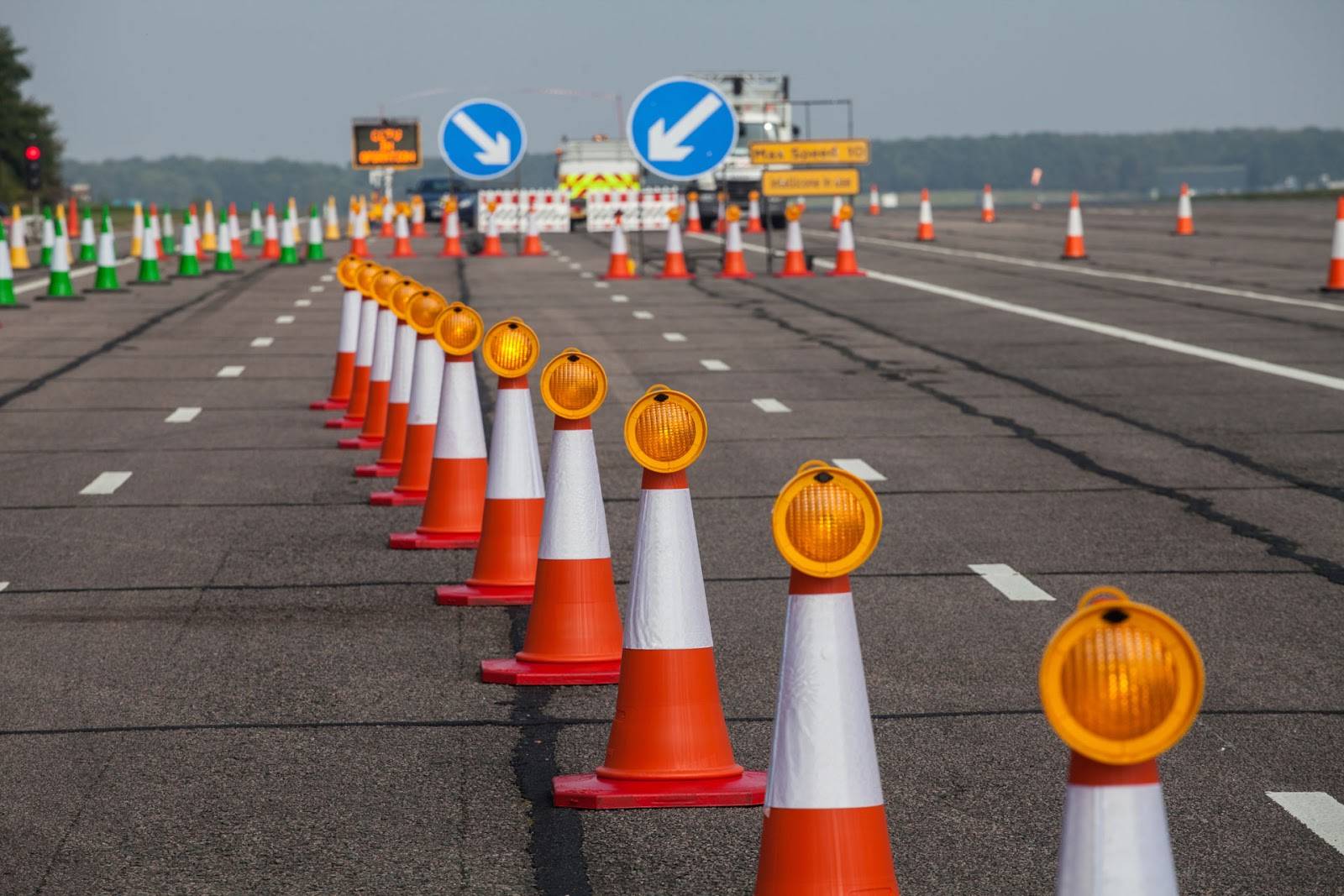
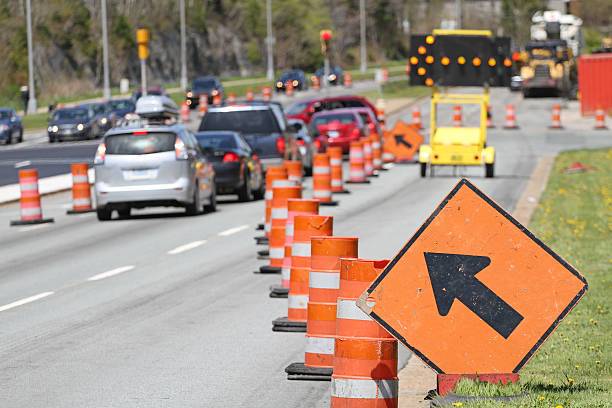
Tapers are areas where traffic is merged or redirected. Cone spacing here must be tight and calculated. For a 60 mph road:
- Use cones every 40 feet
- For tighter tapers, insert a traffic cone bar between every cone for added emphasis
2. Buffer Zones
These are safety gaps between the traffic and the work crew.
- No cones required, but black traffic cones may be used to mark the entry and exit for visual distinction
3. Activity Zones
Where the actual work is happening.
- Use cones every 20–30 feet
- Pink traffic cones are often used to highlight boundaries of temporary, non-construction events
4. Termination Zones
Where drivers are guided back to the normal path.
- Cone spacing can gradually increase back to normal intervals
- Add a traffic cone bar at the final stretch for a clear endpoint
Adapting Cone Spacing for Different Applications
Spacing may vary depending on the nature of the closure:
- Construction Projects: Standard orange or black traffic cones, spaced based on speed and work type
- Parades and Events: Pink traffic cones placed every 5–10 feet for crowd guidance
- School Zones: Close spacing with traffic cone bars for child safety
- Night Operations: Use black traffic cones with high-reflective collars and closer placement
As a wholesaler or OEM, it’s important to supply cones with customizable reflective options, weighted bases, and integrated cone bar slots to meet these varying needs.
Best Practices for Wholesalers and OEMs
Providing clients with more than just cones is key to long-term relationships. Offer toolkits and setup guides that explain cone spacing based on use-case scenarios. OEMs can go a step further by offering branded black traffic cones and pink traffic cones tailored to client branding or events.
Clients benefit most when products come with:
- Stackable storage features
- Compatibility with traffic cone bar accessories
- Color and collar customization
- Temperature and UV resistance
By helping clients understand how to space cones correctly and offering tailored solutions, you position your brand not just as a vendor—but as a trusted safety partner.
Cone Spacing for Advanced Setups: Dual-Lane Closures and Diverging Paths
For dual-lane closures, staggering cone placement in alternating lanes with a shared traffic cone bar improves visual flow. This technique allows drivers to anticipate lane changes and reduce abrupt braking.
When dealing with diverging paths, using pink traffic cones to denote detour lanes for event traffic while maintaining black traffic cones for standard detour paths can help separate vehicle intentions and simplify enforcement.
Regulatory Compliance and Local Standards
Always refer to the latest version of MUTCD or local transport authority regulations for exact spacing requirements. Some states or municipalities mandate additional features for cones in high-speed zones, such as minimum weight thresholds or mandatory use of a traffic cone bar in tapers.
Educating your clients on these rules—and providing ready-to-ship compliant inventory—is a great value-add in your OEM/wholesale offerings.
Real-World Use Cases
Case Study 1: Urban Intersection Repair
Using black traffic cones to reduce visual clutter while maintaining safety in a downtown commercial zone. Cone spacing was maintained at 25 feet with traffic cone bars installed at pedestrian crosswalks.
Case Study 2: Outdoor Music Festival
Organizers opted for pink traffic cones spaced at 8-foot intervals to delineate temporary walking paths and backstage zones. This non-traditional approach created both visibility and on-brand aesthetics.
Case Study 3: Road Resurfacing on Rural Highway
Standard cone placement every 45 feet at 55 mph, enhanced with intermittent traffic cone bars to strengthen the taper zone and prevent premature lane shifts.
Final Thoughts: Smart Spacing Leads to Safer Closures
Cone spacing is more than a guideline—it’s a safety blueprint. Whether you’re using a traffic cone bar to build clear lines, deploying black traffic cones for urban sophistication, or installing pink traffic cones for visibility at events, the correct spacing ensures safety for both road users and workers.
As demand grows for customized, professional traffic management tools, wholesalers and OEMs must stay informed, compliant, and innovative. Offering adaptable, regulation-ready products designed for precision deployment is the best way to lead in a competitive, safety-focused industry.