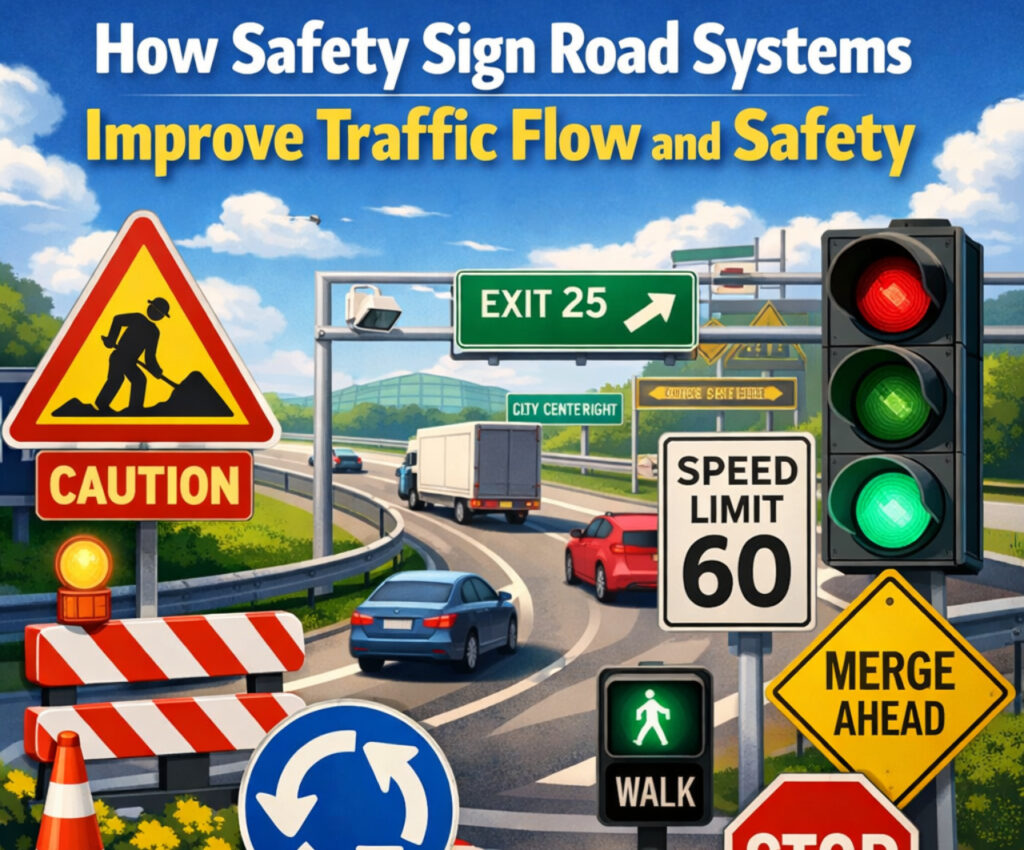
In the complex ecosystem of modern transportation infrastructure, the role of visual guidance cannot be overstated. Traffic management is no longer just about painting lines on asphalt; it is about creating an intelligent, responsive environment that communicates instantly with drivers. As urbanization accelerates and vehicle numbers rise, the demand for sophisticated safety sign road systems has evolved from a regulatory requirement to a critical component of operational efficiency. For wholesalers, distributors, and municipal planners, understanding the mechanics behind these systems is essential for making informed procurement decisions that balance public safety with economic viability.
The intersection of safety and efficiency is where the true value of traffic management lies. A well-implemented safety sign on the road does more than command a driver to stop or yield; it smooths the friction of movement, reducing the cognitive load on motorists and preventing the bottlenecks that lead to congestion. This article explores the multifaceted benefits of advanced signage systems, offering deep insights into market trends and the strategic advantages of custom solutions.
1. Why Safety Sign Road Systems Are Critical for Modern Infrastructure
The modern highway is a data-rich environment where every visual cue contributes to the decision-making process of the driver. A robust safety sign road network serves as the primary interface between the rules of the road and the individuals using them. The necessity for these systems stems from the need to create predictability in chaotic environments. When drivers are presented with clear, high-visibility instructions, the variance in driving behavior decreases significantly, leading to a uniform flow of traffic that minimizes the probability of collisions. For businesses involved in large-scale infrastructure projects, recognizing this critical nature is the first step toward providing value-added solutions to clients.
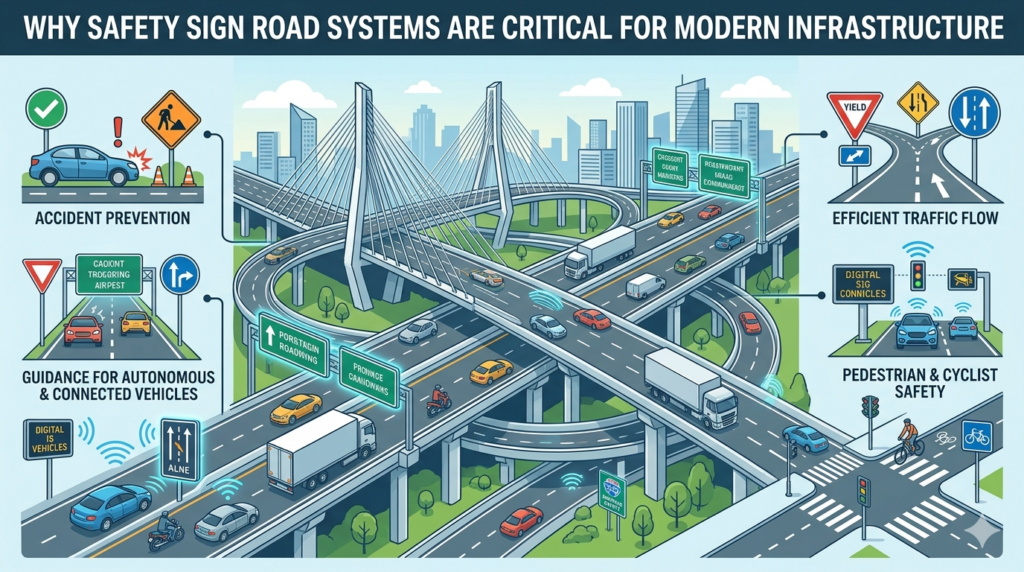
Recent data indicates that infrastructure failures are rarely due to pavement quality alone but often stem from inadequate or confusing guidance systems. As we move through 2025, industry reports show a direct correlation between the upgrade of safety sign on road networks and a measurable reduction in accident rates in high-density urban zones. This trend is driving a surge in demand for wholesale signage solutions that meet higher durability and reflectivity standards. Buyers are increasingly looking for systems that not only comply with local laws but also offer enhanced longevity, reducing the long-term maintenance costs associated with frequent replacements and repairs.
Furthermore, the psychological impact of well-placed signage plays a pivotal role in traffic calming and speed regulation. When drivers perceive a high level of organization and control via professional signage, their subconscious reaction is to exercise greater caution and adhere to speed limits. This phenomenon is crucial for wholesalers to understand, as it positions their products not just as metal or plastic sheets, but as essential safety tools. By supplying high-quality, standardized signs, distributors contribute to a culture of safety that protects lives and safeguards the massive financial investments tied to modern road networks.
The economic implications of neglecting these systems are profound. Traffic congestion, often exacerbated by poor signage, costs economies billions annually in lost productivity and fuel waste. Consequently, government agencies and private contractors are prioritizing budgets for safety sign road enhancements that promise a high return on investment through improved traffic flow. For the B2B sector, this represents a stable and growing market where the emphasis is on quality, compliance, and the ability to deliver bulk orders that meet the rigorous timelines of large-scale civic projects.
1.1. How High-Visibility Materials Enhance Road Safety Outcomes
The effectiveness of any traffic sign is intrinsically linked to the materials used in its construction. In the realm of wholesale manufacturing, the shift toward high-visibility, prismatic sheeting and durable aluminum substrates represents a significant leap forward in safety outcomes. These materials ensure that a safety sign on the road remains legible under a variety of adverse conditions, including heavy rain, fog, and total darkness. For B2B buyers, the ability to offer products that utilize these advanced materials is a key differentiator in a competitive market, as end-users prioritize longevity and performance over initial cost savings.
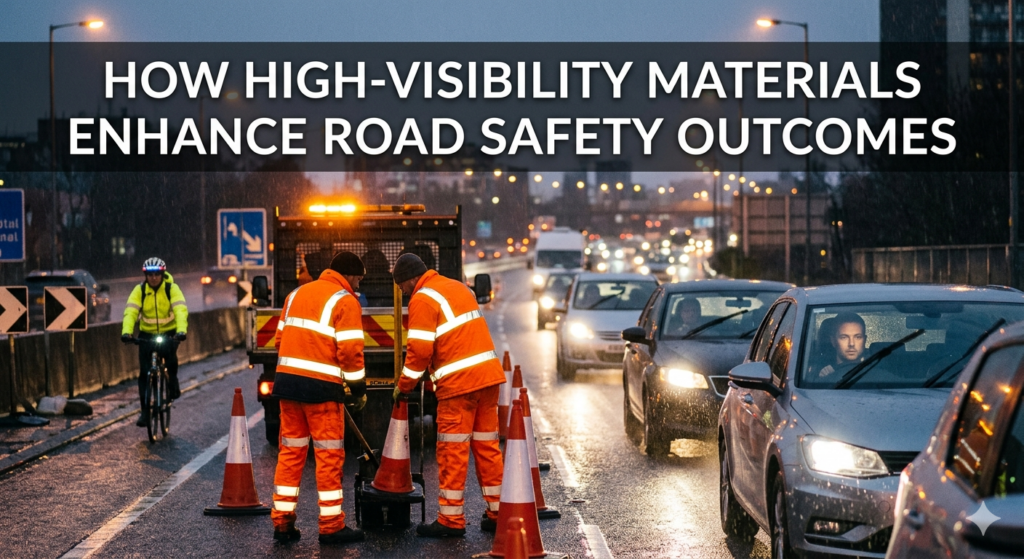
The technology behind retroreflectivity has evolved, allowing signs to bounce light directly back to the source with greater intensity than ever before. This advancement is critical for older drivers or those operating vehicles with poorer headlight performance, ensuring that critical information is perceived in time for appropriate action. Market insights for 2025 suggest a growing preference for ASTM compliant materials that guarantee performance over a 10 to 12-year lifecycle. Wholesalers who stock and provide these premium materials are finding greater success in municipal contracts, where the total cost of ownership is a primary decision-making factor.
Beyond the immediate safety benefits, the use of superior materials contributes to the aesthetic uniformity of a city or region’s infrastructure. Faded, dilapidated signs can create an impression of neglect, which can indirectly encourage careless driving behavior. Conversely, bright, crisp safety sign on road installations signal active maintenance and enforcement, psychologically deterring traffic violations. Customization plays a vital role here, allowing for specific color palettes and font treatments that maintain brand consistency for private industrial parks while strictly adhering to public safety codes.
Investing in high-visibility materials also addresses the legal liability concerns of facility managers and city planners. In the event of an accident, the condition and visibility of traffic signage are often scrutinized. By providing top-tier, durable products, wholesalers help their clients mitigate liability risks. The trend toward “zero-vision” safety policies in major corporations means that private buyers are now demanding the same level of quality found on public highways, creating a lucrative cross-sector opportunity for wholesalers who can bridge the gap between public infrastructure standards and private industrial applications.
1.2. Which Custom Safety Sign Solutions Are Best for High-Traffic Zones
High-traffic zones, such as intersections near shopping centers, schools, and industrial complexes, present unique challenges that standard off-the-shelf products cannot always address. In these environments, the specificity of the message and the physical resilience of the sign are paramount. Custom safety sign road solutions allow for the precise communication of complex rules, such as specific turn restrictions during peak hours or pedestrian crossing timings. For wholesalers, offering customization services is no longer an optional add-on but a core requirement for servicing large-scale commercial and municipal clients who need tailored solutions for unique traffic patterns.
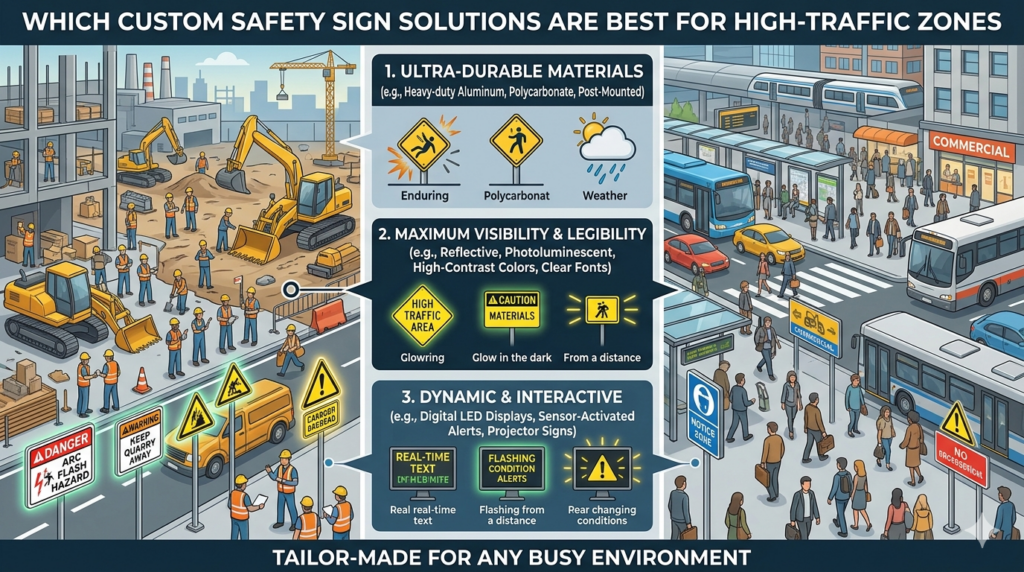
The “Which” aspect of selection often depends on the specific cognitive load of the driver in that zone. In areas where information overload is a risk, customized, minimalist designs that use intuitive symbols rather than dense text are proving most effective. 2026 market insights predict a rise in the demand for “smart graphic” customization, where signage is designed based on human factor engineering to reduce reaction times. Wholesalers who work closely with manufacturers to offer bespoke graphic capabilities can secure contracts for complex urban redevelopment projects where standard signage fails to address the nuanced flow of traffic.
Durability is another critical factor when selecting solutions for high-traffic areas. These zones are often prone to higher levels of pollution, vibration from heavy vehicles, and physical wear from incidental contact. Therefore, custom solutions often involve upgrading the thickness of the aluminum or utilizing anti-graffiti coatings that preserve the integrity of the safety sign on the road. By advising clients on these specific material enhancements, distributors not only provide a product but also a consultative service that adds value and fosters long-term business relationships based on expertise and trust.
Furthermore, the integration of Wayfinding systems with safety signage is becoming a standard request in high-traffic commercial zones. Buyers are looking for cohesive signage suites that guide drivers efficiently while enforcing safety rules. This requires a wholesale partner capable of producing consistent branding across different types of signs, from large overhead gantries to ground-mounted markers. The ability to deliver a fully customized, harmonized system ensures that the visual clutter is minimized, thereby reducing driver confusion and enhancing the overall safety and fluidity of the traffic zone.
1.3. Why Wholesale Procurement Strategies Matter for Large-Scale Projects
For large-scale infrastructure projects, the logistics of procurement can make or break the budget and timeline. Wholesale purchasing of safety sign road systems offers economies of scale that retail purchasing simply cannot match. However, the strategy goes beyond just buying in bulk; it involves strategic sourcing that ensures consistency across vast networks of roads. Project managers require assurance that every sign, regardless of where it is installed in the network, meets the same high standards of reflectivity and durability. This uniformity is essential for maintaining the integrity of the traffic management system as a whole.
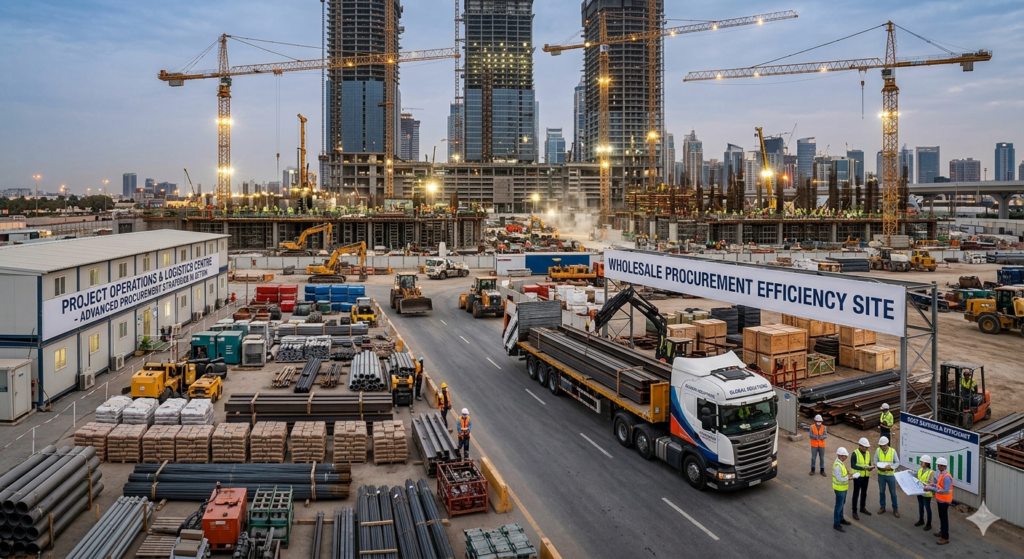
The complexity of modern infrastructure projects demands a supply chain that is both reliable and flexible. Wholesale suppliers who maintain significant inventory levels and have robust manufacturing partnerships can prevent the costly delays that occur when specific signage components are on backorder. In 2025, with the construction industry facing supply chain volatility, the ability to commit to large-quantity fulfillment of safety sign on road orders is a decisive factor for contractors. Suppliers who can guarantee continuity of supply enable their clients to adhere to strict project milestones, avoiding penalties and ensuring public safety projects are delivered on time.
Cost predictability is another significant advantage of wholesale strategies. Large projects often span several years, and fluctuating material costs can derail budgets. By locking in pricing through wholesale agreements for the duration of a project, buyers can stabilize their financial projections. This fiscal responsibility is highly valued in both the public and private sectors. Wholesalers who offer flexible contract terms and transparent pricing models become preferred partners, as they help project managers navigate the financial uncertainties associated with large civic and industrial developments.
Finally, the role of the wholesaler has shifted from a mere distributor to a quality assurance checkpoint. With the rigorous standards imposed by the Department of Transportation and other regulatory bodies, ensuring that every batch of safety sign on road products meets compliance is crucial. Reputable wholesalers implement rigorous quality control processes, acting as the first line of defense against non-compliant products entering the market. This protective role is invaluable for large buyers who cannot afford the legal or reputational risks associated with installing substandard safety infrastructure.
2. How Safety Sign on the Road Systems Influence Driver Behavior
The primary mechanism by which signage improves safety is through the direct modification of driver behavior. A well-placed safety sign on road acts as an immediate psychological trigger, prompting instant corrections in speed, lane positioning, or attention levels. This influence is subtle yet powerful; it operates on both a conscious and subconscious level. For example, a simple “Curve Ahead” sign not only informs the driver of the geometry of the road but also physiologically prepares them to decelerate. Understanding this behavioral influence is key for businesses when recommending product placements to clients who aim to reduce accident rates in specific hazardous zones.
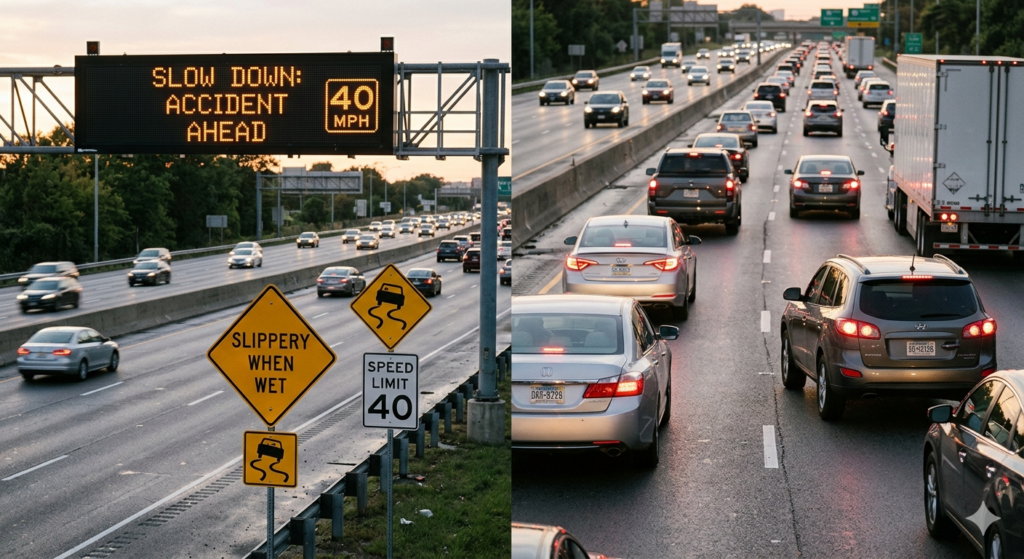
Repetition and consistency in signage reinforce positive driving habits. When drivers encounter consistent safety sign road installations that deliver clear, unambiguous messages, they develop a trust in the guidance system, leading to smoother traffic flow. Conversely, inconsistent or confusing signage breeds hesitation and erratic driving, which are leading causes of rear-end collisions and intersection accidents. For wholesalers and consultants, the opportunity lies in educating clients on the importance of systematic signage audits. By identifying areas where driver behavior is currently erratic, businesses can propose targeted sign solutions that restore order and predictability to the roadway.
The concept of “traffic calming” is heavily reliant on behavioral cues provided by signage. Specific signs, combined with road markings, can create a visual narrowing of the lane, which naturally encourages drivers to slow down without the need for physical speed bumps. This approach is particularly valuable in residential and commercial areas where noise and comfort are concerns. Customizable signs that feature specific warnings, such as “Deer Crossing” or “Children at Play,” tap into the driver’s empathy and risk aversion, effectively modulating their behavior more effectively than generic speed limit signs alone.
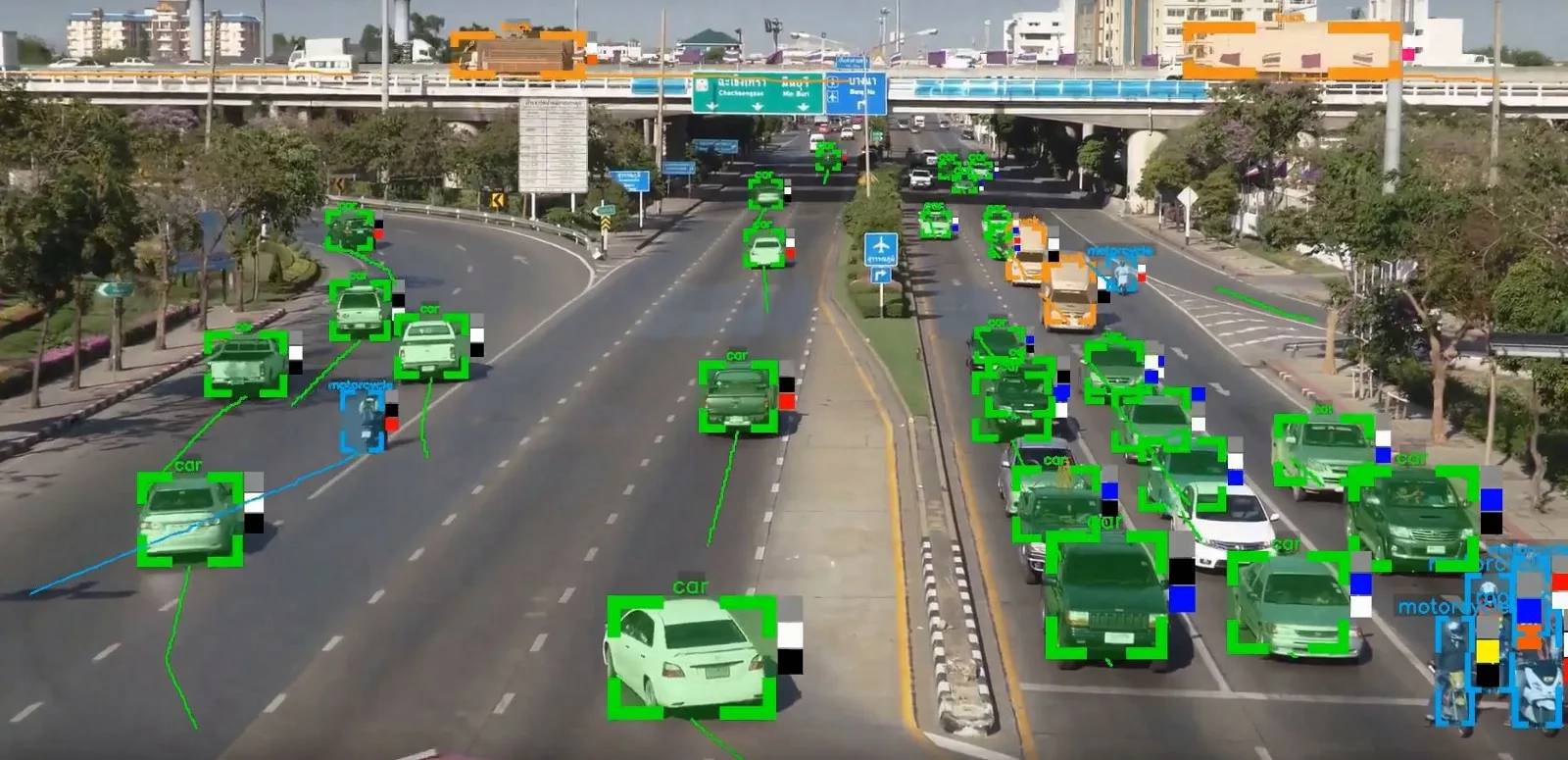
Advanced driver assistance systems (ADAS) in modern vehicles are also beginning to interact with physical signage. As vehicle technology evolves, the clarity and standardization of safety sign on the road become even more critical, as cameras and sensors rely on high-contrast, standardized symbols to function correctly. This intersection of physical infrastructure and digital technology represents a growing niche in the market. Wholesalers who stay abreast of these technological integrations can advise their clients on future-proofing their infrastructure, ensuring that the signs installed today remain compatible with the intelligent vehicles of tomorrow.
2.1. Why Regulatory Compliance in Road Signage Is Essential for Buyers
Navigating the landscape of traffic regulations is a daunting task for any buyer, yet compliance is the bedrock of a viable safety sign road system. Regulations such as the Manual on Uniform Traffic Control Devices (MUTCD) in the US set stringent guidelines regarding the shape, color, font, and reflectivity of signs. For B2B buyers, ensuring that every product meets these standards is not optional; it is a legal necessity. Non-compliance can result in severe fines, legal liability in the event of accidents, and the costly requirement to reinstall non-compliant infrastructure. Therefore, sourcing from a wholesaler who guarantees regulatory adherence is the safest route for contractors and municipalities.
The importance of compliance extends beyond legal avoidance to the standardization of driver expectations. Drivers learn a universal language of road signs; a red octagon universally means stop, regardless of the state or country. When a safety sign on road deviates from these standards, even slightly, it creates a moment of cognitive dissonance that can lead to hesitation or incorrect interpretation. For wholesale buyers, particularly those distributing products across different regions, understanding the regional variations in compliance is crucial. A robust supplier will have the expertise to navigate these variations, providing the correct specifications for specific jurisdictions without the buyer needing to become an expert in every local code.
Furthermore, compliance is closely tied to the funding and approval of infrastructure projects. Government grants and federal funding for road improvements often require that all materials meet specific high-level standards, such as those set by the ASTM or ISO. If the installed safety sign road products do not carry the necessary certifications, the project may fail its final inspection, delaying payments and usage. Wholesalers who provide detailed documentation and certification for their products streamline the approval process for their clients, acting as vital partners in the administrative phase of project development.
Looking ahead to 2026, regulatory bodies are expected to tighten standards regarding environmental sustainability and photometric performance. Buyers should anticipate new requirements regarding the recyclability of sign materials and the minimum luminance levels for LED signs. Partnering with a forward-thinking wholesaler who monitors these legislative shifts ensures that buyers are not caught off guard by new regulations. This proactive approach to compliance protects the buyer’s investment and ensures that the infrastructure remains legal and effective for its intended lifespan.
2.2. How Custom Signage Features Address Specific Traffic Challenges
Generic traffic signs are suitable for general applications, but specific traffic challenges often require bespoke solutions. The ability to customize a safety sign on road allows engineers and planners to address unique hazards that standard signage does not cover. For instance, a complex intersection with an unusual angle may require a custom warning sign with a specific diagram to clearly illustrate the lane path. For wholesalers, offering customization services opens up opportunities to serve specialized markets, such as airports, private ports, and large industrial campuses where standard road rules may not apply directly.
One of the most significant trends in customization is the inclusion of bilingual or multi-lingual text to serve diverse communities. In areas with high populations of non-English speakers, a standard “Stop” sign might be understood, but more complex instructions like “No Right Turn on Red” require clear linguistic adaptation. Custom safety sign road manufacturing allows for the integration of multiple languages without cluttering the visual design, ensuring safety is accessible to all road users. This capability is increasingly becoming a requirement for municipal contracts in multicultural urban centers, making it a vital offering for wholesale suppliers.
Adverse weather conditions specific to a geography also drive the need for custom features. In regions prone to heavy snowfall, signs with larger surface areas and higher mounting points are necessary to remain visible during accumulation. Similarly, in coastal areas, signs must be treated with specific coatings to resist saltwater corrosion. By understanding these environmental challenges, wholesalers can recommend tailored safety sign on road solutions that offer superior performance compared to generic stock items. This consultative selling approach builds deeper client relationships and positions the wholesaler as an expert in infrastructure resilience.
Finally, the integration of smart technology into custom signage is addressing modern traffic challenges like congestion and real-time hazard reporting. While traditional static signs are the bulk of the market, there is a growing niche for signs that can be customized with mounts for radar speed feedback or solar-powered LED flashing beacons. These hybrid solutions dramatically increase the visibility of critical warnings in school zones or construction areas. Suppliers who can provide these enhanced, customized configurations enable their clients to tackle high-risk traffic zones with the most effective tools available, ultimately saving lives and improving traffic efficiency.
2.3. Which Market Trends in 2025 and 2026 Are Shaping the Industry
The traffic safety industry is undergoing a rapid transformation driven by technological advancements and shifting priorities in urban planning. One of the dominant trends for 2025 is the move toward “Smart Cities,” where the safety sign road network is integrated with the Internet of Things (IoT). While physical signs remain essential, they are increasingly being manufactured with integrated tracking chips or sensors that allow municipalities to monitor their condition and reflectivity in real-time. For wholesalers, this means adapting inventory to include “smart-ready” products that cater to forward-thinking civic projects looking to digitize their asset management.
Sustainability is another major trend shaping the market in 2026. There is a growing demand for eco-friendly sign materials, including aluminum produced with renewable energy and post-consumer recycled content in the sign faces. Buyers are increasingly scrutinizing the environmental footprint of their infrastructure projects. Wholesalers who can verify the green credentials of their safety sign on road products are gaining a competitive edge. This shift is not just about corporate social responsibility; it is often linked to green building certifications and government sustainability mandates that require the use of environmentally responsible materials.
The labor shortage in the installation and maintenance sector is also influencing product design. There is a rising preference for safety sign road systems that are easier and faster to install, such as modular signs or those with advanced slip-base mechanisms that break away upon impact, making replacement quicker and safer. These design innovations reduce the labor hours required for installation and maintenance, a critical selling point in a market where skilled labor is expensive and scarce. Wholesalers highlighting these labor-saving features can effectively market their products to cost-conscious contractors and municipal maintenance departments.
Finally, data analytics is playing a larger role in determining signage needs. Instead of replacing signs on a fixed schedule, network owners are using data to identify high-risk areas that warrant immediate upgrades or specific types of intervention. This data-driven approach requires a flexible wholesale supply chain capable of rapidly deploying varied types of safety sign on the road products. Suppliers who utilize data to forecast demand and stock their warehouses accordingly will be best positioned to serve the agile, response-based procurement strategies that are defining the industry’s future.
3. How to Choose the Right Wholesale Partner for Safety Sign Road Products
Selecting the right wholesale partner is a strategic decision that impacts the quality, cost, and success of any traffic safety project. A reliable partner does more than just ship boxes; they provide industry expertise, quality assurance, and logistical support. When evaluating potential suppliers for safety sign road products, buyers should look for a track record of reliability and a deep understanding of regulatory standards. The ideal partner acts as an extension of the buyer’s business, ensuring that the end product—safe and efficient roadways—is achieved without friction or unnecessary delays.
One of the key indicators of a strong wholesale partner is their manufacturing capability and quality control processes. The partner should be able to demonstrate that their safety sign on road products consistently meet or exceed MUTCD and ASTM standards. This involves having access to high-grade raw materials, such as HIP (High Intensity Prismatic) sheeting, and utilizing state-of-the-art printing technologies that ensure longevity. Buyers should inquire about the supplier’s quality assurance protocols, including batch testing for reflectivity and durability, to ensure that every sign delivered is fit for purpose and free from defects.
Customization capacity is another critical factor. As discussed, the need for bespoke signage is growing, and a wholesaler must be equipped to handle custom orders efficiently. This includes having in-house graphic design teams that can assist with layout and compliance checks, as well as flexible machinery that can produce both small custom runs and large bulk orders without excessive lead times. A partner who offers comprehensive customization services for safety sign road systems enables the buyer to meet diverse client needs without having to juggle multiple vendors, simplifying the supply chain and reducing administrative overhead.
Finally, logistical efficiency and customer service are the hallmarks of a great wholesale partner. The traffic safety industry often operates on tight deadlines, particularly for road construction projects where penalties accrue for delays. The right partner will have a robust distribution network and a proven track record of on-time delivery. Furthermore, their customer service team should be knowledgeable and responsive, capable of resolving issues quickly. By prioritizing these attributes, buyers can establish a partnership that not only supplies products but also contributes to the operational success and growth of their business.
3.1. Why Customization Capabilities Are a Key Value-Add for Wholesalers
In a market flooded with commodity products, customization is the primary differentiator that elevates a wholesaler above the competition. The ability to offer tailored safety sign on road solutions transforms a supplier from a simple vendor into a solutions provider. Clients, whether they are municipal planners or private developers, often face unique challenges that standard signs cannot solve. By offering customization—ranging from specific text and logos to unique shapes and dimensions—a wholesaler demonstrates a commitment to solving the client’s specific problems, thereby fostering loyalty and justifying higher price points.
Customization also allows for better brand alignment for private and industrial clients. Large corporate campuses, ports, and logistics centers often require signage that adheres to strict brand guidelines while maintaining traffic safety functionality. A wholesaler capable of integrating corporate colors and logos into regulatory-compliant safety sign road designs provides immense value. This dual focus on identity and safety is particularly appealing to the B2B sector, where the professional appearance of an facility is as important as its operational safety. It allows the client to maintain a cohesive visual identity throughout their property without compromising on the clarity of safety messages.
The flexibility offered by customization services also addresses the evolving needs of infrastructure projects. Designs often change during the course of a long project, or unexpected requirements may arise once installation begins. A wholesaler with agile customization capabilities can accommodate these changes rapidly, preventing project stalls. This agility is a significant value-add for contractors who need a partner that can pivot quickly. Whether it is a last-minute change to a speed limit or the addition of a warning symbol, the ability to produce custom safety sign on road products on demand is a powerful asset in the wholesaler’s portfolio.
Moreover, offering customization positions the wholesaler as an industry expert. It implies that they possess the technical knowledge to navigate the complexities of sign design, material selection, and regulatory compliance. Clients rely on this expertise to validate their own decisions. By guiding clients through the customization process, ensuring that their custom ideas still result in a compliant and effective safety sign road product, the wholesaler builds a relationship based on trust and authority. This consultative role is difficult for competitors to replicate, creating a sustainable competitive advantage centered on service and expertise rather than just price.
3.2. How Supply Chain Reliability Impacts Project Timelines and Budgets
The adage “time is money” is nowhere more true than in construction and infrastructure development. Delays in the delivery of safety sign road materials can have a domino effect, pushing back installation dates, delaying road openings, and incurring substantial liquidated damages. A wholesaler with a reliable supply chain understands the critical nature of these timelines and prioritizes logistical precision. They utilize advanced inventory management systems to track stock levels and anticipate demand, ensuring that when an order is placed, the products are ready to ship immediately, thus protecting the project’s schedule.
Supply chain reliability also directly impacts budget management. When deliveries are late or incomplete, project managers are often forced to source materials from alternative, often more expensive, local suppliers to keep the project moving. This premium pricing for emergency orders can erode profit margins significantly. Furthermore, unreliable delivery may necessitate expedited shipping fees, further inflating costs. By partnering with a wholesaler known for dependable fulfillment, buyers can accurately forecast their expenses and avoid the budget overruns associated with supply chain disruptions and safety sign on road shortages.
The global nature of the raw materials market, particularly for specialized reflective sheetings and aluminum, adds another layer of complexity. Tariffs, shipping container shortages, and geopolitical tensions can all disrupt the flow of goods. A robust wholesaler mitigates these risks through strategic stockpiling and diversified sourcing strategies. They maintain buffer stocks of essential safety sign road components to insulate their clients from global market volatility. This stability is invaluable for buyers who need assurance that their projects will not be derailed by external factors beyond their control.
Ultimately, a reliable supply chain fosters confidence. Buyers can focus on the execution of the project rather than worrying about whether their materials will arrive on site. This peace of mind allows for better resource allocation and planning. In the B2B context, where contracts and reputations are on the line, the reliability of a wholesale partner is a metric that is weighed just as heavily as product quality. A supplier who consistently delivers on their promises becomes an integral part of the buyer’s long-term strategy, facilitating the successful and timely completion of infrastructure projects.
3.3. Which Quality Control Measures Ensure Long-Lasting Road Signage
The lifespan of a safety sign on road is determined not just by the environment it faces, but by the rigor of the quality control measures applied during its creation. High-quality control (QC) begins with the inspection of raw materials. Reputable wholesalers ensure that the aluminum substrate is free of defects and that the reflective sheeting meets the specified candela ratings. This initial vetting process is crucial, as even minor imperfections in base materials can lead to premature delamination or corrosion, compromising the sign’s structural integrity and reflectivity years down the line.
During the manufacturing process, QC measures must be continuous. This involves verifying that the inks used for custom legends are UV-cured properly to prevent fading and that the overlay films are applied without bubbles or wrinkles. For a safety sign road product, the legibility of the text and the brightness of the graphics are paramount. Advanced wholesalers utilize automated vision systems and manual inspections to catch any printing errors before the product leaves the factory floor. This attention to detail ensures that every sign dispatched is crisp, compliant, and ready for immediate deployment in the field.
Post-production testing is the final, critical hurdle. This often involves subjecting sample signs from a batch to accelerated weathering tests, simulating years of exposure to sun, rain, and temperature fluctuations. Additionally, adhesion tests ensure that the reflective sheeting will not peel away under stress. By implementing these rigorous testing protocols, wholesalers can certify the longevity of their safety sign on road products. For the buyer, this certification translates into a lower total cost of ownership, as the signs will not require frequent replacement, thereby reducing maintenance cycles and associated labor costs.
Furthermore, effective QC includes a final audit of the packaging and shipping process. Signs must be packaged securely to prevent damage during transit, which can easily ruin the edges or face of the sign. A wholesaler that invests in protective packaging and careful handling demonstrates a holistic commitment to quality. By ensuring that the product arrives in pristine condition, they uphold the standards expected by the end-user. This end-to-end quality assurance is what distinguishes a premium supplier from a discount warehouse, providing buyers with the confidence that the infrastructure they build will stand the test of time.
4. Why Investing in Superior Safety Signage Improves ROI
Investing in superior safety sign road systems is often perceived as a grudge purchase—a cost to be minimized. However, when analyzed through the lens of Return on Investment (ROI), high-quality signage emerges as a financially sound decision. The initial outlay for premium, durable signs is quickly offset by the reduction in accident liability, lower maintenance costs, and the improved efficiency of traffic flow. For businesses and municipalities operating under tight budget constraints, understanding this financial dynamic is essential for making procurement decisions that prioritize long-term value over short-term savings.
The cost of traffic accidents extends far beyond vehicle repairs; it includes medical expenses, legal fees, increased insurance premiums, and loss of productivity. By effectively managing traffic flow and warning drivers of hazards, high-quality safety sign on road installations play a proactive role in accident prevention. A single prevented major accident can save an organization or a municipality millions of dollars. When these potential savings are amortized over the lifespan of a signage network, the ROI becomes exceptionally clear. Buyers should view these products not as consumables, but as risk management assets that pay dividends in safety and financial stability.
Maintenance and replacement cycles represent a significant ongoing expense for infrastructure managers. Lower-quality signs, while cheaper upfront, are prone to fading, warping, and vandal damage, necessitating frequent replacements. This recurring cost, combined with the labor expense of installation, creates a financial drain. In contrast, superior safety sign road products, manufactured with durable materials and advanced coatings, offer extended service lives. By reducing the frequency of replacement cycles, the higher initial investment is recuperated multiple times over, resulting in a lower cost-per-year of service and a significantly better ROI.
Moreover, efficient traffic flow has a direct economic impact. In commercial and industrial settings, delays caused by poor signage and confusing directions affect logistics timing, fuel consumption, and delivery schedules. Clear, authoritative signage streamlines movement, reducing idle times and optimizing the throughput of vehicles. For logistics hubs and distribution centers, this operational efficiency translates directly into increased profitability. Therefore, investing in the best possible safety sign on road solutions is an investment in operational excellence, enhancing the bottom line by ensuring that the movement of goods and people is as smooth and safe as possible.
4.1. How Cost-Benefit Analysis Supports Bulk Purchasing Decisions
Conducting a Cost-Benefit Analysis (CBA) is a fundamental step in justifying bulk purchases of safety sign road products. This analytical approach compares the total cost of acquisition with the expected benefits, such as longevity, compliance, and safety performance. When purchasing in bulk, the unit cost decreases significantly, improving the immediate financial picture. However, a comprehensive CBA looks deeper, factoring in the logistics of storage, the savings on future price increases, and the avoidance of rush-order fees. For B2B buyers, presenting a well-structured CBA is often the key to unlocking budget approval for large-scale infrastructure upgrades.
The analysis should quantify the “soft” benefits of safety, such as the reduction of risk exposure. While it is difficult to put a precise dollar figure on a life saved, the avoidance of litigation and insurance hikes is a tangible financial metric. High-quality safety sign on road systems serve as a defense against negligence claims. By investing in superior, compliant products, organizations reduce their liability profile. A CBA that incorporates these risk mitigation factors provides a more accurate representation of the true value of the investment, making the case for bulk purchasing of premium products much stronger to financial controllers and stakeholders.
Inventory management is another area where CBA highlights the benefits of bulk procurement. Holding a strategic reserve of common safety sign road items allows for immediate response to maintenance needs without the lead times associated with just-in-time ordering. For municipalities and contractors, this readiness prevents the deterioration of safety standards while waiting for replacements. The cost of holding inventory is outweighed by the cost of potential accidents and fines that occur when critical signs are missing or damaged. Thus, the analysis supports the logic of bulk buying as a means to ensure continuous compliance and safety coverage.
Furthermore, bulk purchasing locks in pricing, which is a crucial consideration in an inflationary economy. The cost of raw materials like aluminum and petroleum-based plastics is subject to market volatility. By procuring a year’s or more worth of safety sign on road inventory at a fixed price, buyers shield themselves from future price hikes. The cost-benefit analysis will show that the savings from avoiding future inflation often exceed the cost of capital for storing the goods. This strategic purchasing power is a significant advantage for large organizations, allowing them to stabilize their operating budgets and predict their expenses with greater accuracy.
4.2. Which Long-Term Benefits Outweigh Initial Signage Costs
The initial cost of high-quality safety sign road products can be a hurdle for some buyers, but the long-term benefits overwhelmingly justify the investment. One of the most significant benefits is durability. Premium signs constructed from heavy-gauge aluminum and top-tier reflective sheeting can withstand harsh environmental conditions for over a decade. This longevity means that the frequency of replacement is drastically reduced. Over a 20-year period, a facility may need to replace a budget sign three or four times, whereas a premium sign might only need replacement once. The material and labor savings from this extended lifecycle are substantial.
Another critical long-term benefit is public trust and reputation. For a city or a business, the condition of its infrastructure sends a message to the public. Faded, broken, or low-quality signs suggest neglect and can erode confidence in the management’s competence. Conversely, maintaining a pristine safety sign on road network projects an image of professionalism, care, and stability. For businesses, this enhances brand perception; for municipalities, it increases public satisfaction. While difficult to quantify on a balance sheet, this reputational capital has real economic implications, influencing everything from commercial property values to tourism.
Safety performance itself improves over time with high-quality signage. Consistent, clear messaging helps to normalize safe driving behaviors within a community or a facility. Over the years, this ingrained culture of safety leads to a sustained reduction in minor incidents and near-misses. These persistent improvements contribute to a safer environment for employees and the public alike. The cumulative effect of these safety gains—fewer sick days taken due to accidents, lower insurance premiums, and uninterrupted operations—represents a massive financial return that far outstrips the initial premium paid for safety sign road products.
Finally, compliance with future regulations is a long-term benefit. High-quality signs are often manufactured to standards that exceed current minimum requirements. As regulations inevitably become stricter over the coming years, these premium signs will likely remain compliant, whereas cheaper products may need to be upgraded prematurely. Future-proofing infrastructure in this manner protects the buyer from the expense of retrofitting. By choosing superior safety sign on road solutions today, buyers are effectively insulating themselves against the legislative changes of tomorrow, ensuring their infrastructure remains legal and effective for the long haul.
4.3. Why Future-Proofing Infrastructure with Durable Signs Is Vital
Future-proofing is the process of anticipating the future needs of infrastructure and developing solutions that minimize the shock of those changes. In the context of safety sign road systems, this means investing in durability and adaptability. The infrastructure built today is expected to serve for decades, and the signs installed now must be capable of performing reliably throughout that lifespan, despite increasing traffic volumes, changing weather patterns, and evolving regulatory landscapes. Durable signs are the cornerstone of this strategy, ensuring that the physical assets do not become a liability before their intended retirement date.
The concept of resilience is central to future-proofing. Climate change is leading to more extreme weather events, including intense storms, higher UV radiation, and drastic temperature fluctuations. Safety sign on road products that utilize UV-stable inks, corrosion-resistant alloys, and impact-resistant substrates are designed to withstand these stressors. By specifying these durable materials, buyers ensure that their signage networks remain functional and legible even in the face of environmental challenges that would degrade lesser products. This resilience is vital for maintaining continuous safety operations without the need for constant, reactive repairs.
Technological adaptability is another facet of future-proofing. While signs are physical, they are increasingly part of a digital ecosystem. Durable signs are often designed with modular components that can be upgraded or retrofitted with smart sensors or solar-powered LED lights as the technology matures and becomes more affordable. This modularity allows the safety sign road infrastructure to evolve without requiring a complete overhaul. Buyers who choose these adaptable, durable systems are making a scalable investment that can integrate with future smart-city initiatives, protecting their capital expenditure from early obsolescence.
Ultimately, future-proofing is about fiscal responsibility. The cost of upgrading infrastructure prematurely is exorbitant, both in terms of material costs and the disruption caused by construction work. By installing durable, high-specification safety sign on road products from the outset, organizations stretch the interval between major capital expenditures. This long-term view of asset management is essential for sustainable growth. It allows planners and buyers to allocate resources more efficiently, confident that their traffic safety infrastructure is robust enough to handle the unknown demands of the future without requiring immediate intervention or replacement.
Conclusion
The optimization of traffic flow and the enhancement of road safety are inextricably linked to the quality and strategic implementation of safety sign road systems. As we look toward the trends defining 2025 and 2026, it is evident that the industry is moving toward smarter, more sustainable, and highly customized solutions. For wholesalers, contractors, and municipal buyers, the message is clear: investing in high-quality, compliant, and durable signage is not merely a regulatory box-ticking exercise, but a strategic imperative that delivers significant returns on investment through improved safety, reduced liability, and operational efficiency.
The complexity of modern traffic demands a partner who understands the nuances of safety sign on road applications, from material science to regulatory compliance and behavioral psychology. By prioritizing suppliers who offer robust customization options, stringent quality control, and reliable supply chains, buyers can ensure their projects are successful and their infrastructure stands the test of time. The integration of advanced materials and the foresight to future-proof installations will separate resilient infrastructures from those that crumble under the pressure of evolving environmental and technological demands.
In conclusion, the value of a well-placed sign goes far beyond its physical presence. It is a critical instrument of public safety and economic efficiency. Whether for a sprawling urban development or a private industrial complex, the right safety sign on road systems are essential for guiding traffic flow and protecting lives. As the industry continues to innovate, those who align themselves with top-tier manufacturing and wholesale expertise will be best positioned to navigate the road ahead, creating safer, more efficient environments for everyone.
Frequently Asked Questions
1. Why are high-quality safety sign road systems considered a better investment than standard options?
High-quality safety sign road systems utilize premium materials like heavy-gauge aluminum and high-intensity prismatic sheeting, which offer superior durability and reflectivity compared to standard options. While the initial cost may be higher, these systems provide a significantly better Return on Investment (ROI) by reducing maintenance frequency and lowering long-term replacement costs. Furthermore, they ensure consistent compliance with safety regulations, thereby mitigating legal liabilities and reducing the risk of accidents caused by poor visibility or sign failure.
2. How does customizing a safety sign on the road improve traffic flow in complex areas?
Customizing a safety sign on the road allows for the precise communication of unique traffic rules and hazards that generic signs cannot address, such as specific lane merging instructions or bilingual warnings for diverse communities. By tailoring the message to the specific cognitive load and geometry of a complex zone, these signs reduce driver hesitation and confusion. This clarity leads to smoother vehicle movement, fewer abrupt braking incidents, and a more predictable traffic flow, which is essential in high-traffic intersections, industrial parks, and school zones.
3. What are the key material considerations when purchasing safety sign road products in bulk?
When purchasing safety sign road products in bulk, buyers should prioritize materials that offer high resistance to environmental stressors, such as UV radiation, corrosion, and impact. Key considerations include the grade of reflective sheeting (e.g., Diamond Grade or High Intensity Prismatic) for night visibility and the type of coating (e.g., anti-graffiti or UV-protective) for longevity. Ensuring these materials meet ASTM and MUTCD standards is crucial for maintaining compliance and reducing the total cost of ownership over the signage’s lifespan.
4. Why is regulatory compliance critical for wholesale buyers of safety signs?
Regulatory compliance is critical because it ensures that every safety sign on road installation meets the legal standards required for public safety, protecting both the supplier and the end-user from fines and lawsuits. Non-compliant signs can lead to invalidated insurance claims and increased liability in the event of an accident. For wholesale buyers, sourcing from suppliers who guarantee compliance with regulations like the MUTCD ensures that their inventory is always viable for municipal and commercial projects, preventing costly project delays and re-installations.
5. How do market trends in 2025 and 2026 affect the safety sign road industry?
Market trends in 2025 and 2026 indicate a shift toward “Smart City” integration, where safety sign road products are expected to be compatible with IoT technology and asset management systems. Additionally, there is a growing emphasis on sustainability, driving demand for eco-friendly materials and recyclable components. Buyers should also anticipate stricter regulations regarding photometric performance and environmental impact, making it essential to partner with wholesalers who stay ahead of these legislative and technological curves to provide future-proof infrastructure solutions.
6. Which customization features are most beneficial for industrial and private facility safety?
For industrial and private facilities, the most beneficial customization features include the integration of corporate branding with safety messaging, the use of specific warning symbols relevant to on-site hazards (like heavy machinery or chemical spills), and bilingual text options. Custom safety sign road solutions can also be tailored to withstand specific industrial environments, such as coastal areas with salt spray or factories with chemical exposure. These features ensure that the signage not only maintains safety standards but also reinforces the facility’s professional identity and operational protocols.
7. How does supply chain reliability impact the installation of safety signs on the road?
Supply chain reliability is vital because construction and road maintenance projects operate on strict timelines; delays in receiving safety sign on road materials can result in missed deadlines, penalty clauses, and increased labor costs. A reliable wholesale partner maintains strategic inventory levels and has robust logistics to ensure just-in-time delivery. This reliability prevents project stalls and allows contractors to adhere to their schedules, ensuring that public safety improvements are implemented without unnecessary disruption or expense.
8. What role does a safety sign on the road play in traffic calming and speed reduction?
A safety sign on the road plays a psychological role in traffic calming by communicating rules and hazards that trigger subconscious driver caution, such as warning signs for curves or pedestrian crossings. When combined with physical road design, clear signage reinforces the desired driving behavior, encouraging drivers to reduce speed voluntarily. This is particularly effective in residential and commercial zones where maintaining a low, safe speed is crucial for protecting pedestrians and reducing the severity of potential accidents.
9. Why should businesses partner with a wholesaler specializing in safety sign road customization?
Partnering with a specialized wholesaler provides businesses with access to expert knowledge of regulatory standards and advanced manufacturing capabilities that go beyond basic inventory. A wholesaler specializing in safety sign road customization can offer tailored solutions that address specific site challenges, assist with design and compliance checks, and ensure product consistency across large orders. This partnership streamlines the procurement process, reduces the administrative burden on the buyer, and ensures the delivery of high-quality, effective signage solutions.
10. How can buyers ensure the long-term durability of their safety sign road investments?
Buyers can ensure long-term durability by selecting products made from high-grade materials, such as rust-proof aluminum and UV-stable inks, and by choosing suppliers that implement rigorous quality control measures. Requesting proof of testing, such as accelerated weathering and adhesion tests, verifies that the safety sign road products can withstand harsh environmental conditions. Additionally, opting for signs with easy-to-maintain features or modular designs allows for quick repairs or upgrades, further extending the lifespan of the infrastructure investment.