When selecting outdoor traffic signs, municipalities and contractors often focus on visibility, reflectivity, and regulatory compliance. But what often gets overlooked—yet is equally vital—is weather resistance. Whether you’re sourcing all road and traffic signs for a city intersection or installing all road traffic signs along a coastal highway, understanding IP65 and IP67 ratings can make all the difference between short-term durability and long-term reliability.
Outdoor traffic environments are harsh. They face rain, dust, snow, high winds, and even corrosive coastal air. That’s why the Ingress Protection (IP) rating of your equipment isn’t a tech spec to gloss over—it’s a core part of ensuring safety, performance, and reduced maintenance costs. Know more.
What Are IP Ratings and Why Do They Matter?
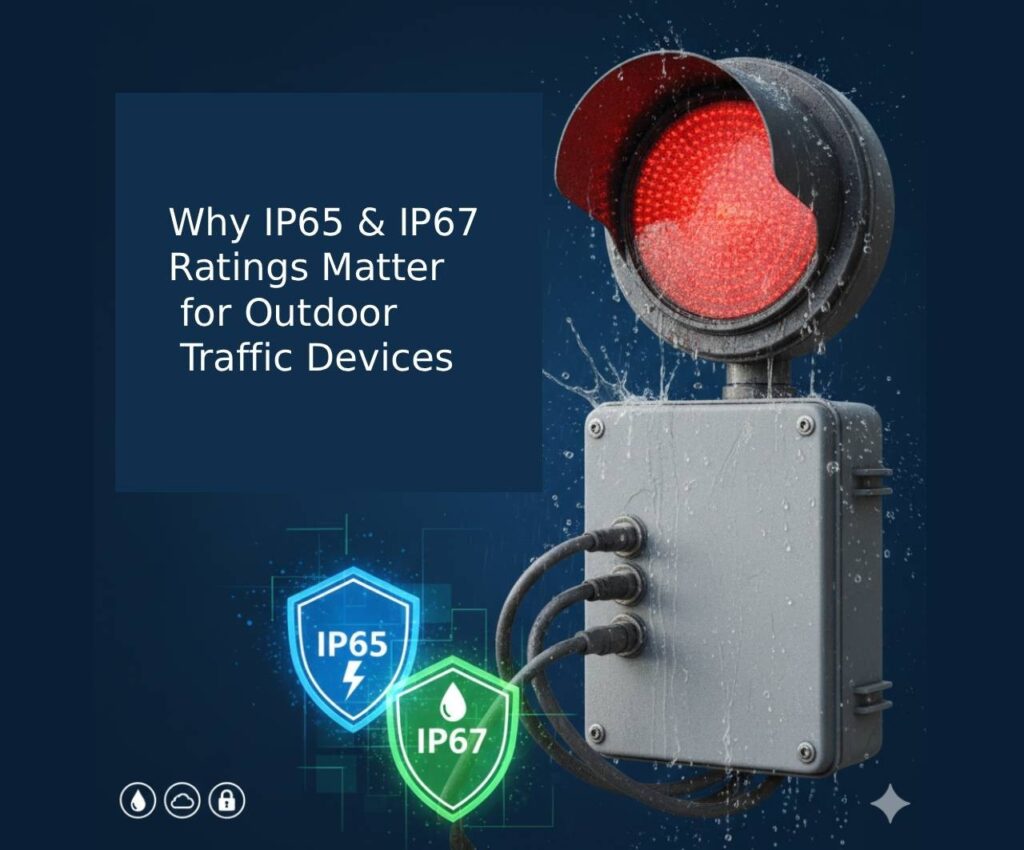
IP ratings—short for Ingress Protection—are standardized indicators of how well a device is sealed against solids and liquids. Issued under the IEC 60529 standard, these ratings are made up of two digits:
- The first digit refers to protection against solids (like dust or debris)
- The second digit refers to protection against moisture (like rain or water spray)
Let’s break down the two most relevant ratings for outdoor traffic signs:
- IP65: Dust tight and protected against water jets
- IP67: Dust tight and can withstand immersion in water up to 1 meter deep for 30 minutes
IP65 for Outdoor Traffic Signs: A Reliable Standard
Most OEMs design their all road and traffic signs to meet IP65 standards. This makes them suitable for areas with heavy rainfall, blowing dust, or frequent street cleaning.
For example, an LED-enhanced all road traffic signs unit at a highway merge point might need to endure strong wind-driven rain. With IP65 protection, you’re ensured that internal electronics remain safe and fully operational.
Benefits of IP65:
- Resists heavy rain and hose cleaning
- Blocks out fine dust and sand
- Ideal for cities, suburbs, and semi-rural zones
When IP67 Becomes Necessary
While IP65 is excellent for most conditions, IP67 is crucial in more demanding environments. Areas prone to flooding, snow melt, or close proximity to bodies of water require extra waterproofing. Imagine outdoor traffic signs installed in a mountain pass or near a saltwater coastline—here, IP67 isn’t an upgrade; it’s a necessity.
Use Cases for IP67:
- Coastal roads exposed to saltwater spray
- Flood-prone areas or storm surge zones
- Signage in tunnels or underground parking structures
In OEM manufacturing, upgrading to IP67 may include better gaskets, waterproof connectors, and reinforced housing—all of which increase product lifespan and reliability.
Material Matters: Building Better All Road and Traffic Signs
Ingress protection works hand-in-hand with material selection. To ensure IP65/IP67 performance, signs are often made from:
- Powder-coated aluminum for corrosion resistance
- Polycarbonate lenses for impact durability
- Silicone seals and gaskets for waterproofing
As a wholesaler, offering all road traffic signs with these specs gives buyers peace of mind—especially in public procurement where warranties and maintenance reduction are key selling points.
LED Integration and Electronics Protection
Modern outdoor traffic signs often include LED displays, flashing signals, or solar panels. These features add visibility but also introduce vulnerability if not properly sealed.
IP-rated enclosures protect these electronics from rain, snow, and power washing. Signs with solar panels benefit from IP67 ratings as panels and battery units are often exposed to direct environmental elements.
Wholesalers should highlight which of their all road and traffic signs are IP-rated—this becomes a strong sales argument when pitching to cities or construction companies focused on long-term ROI.
Climate Adaptation: One Rating Doesn’t Fit All
Different environments demand different levels of protection. Here’s how to decide:
| Environment | Minimum Recommended IP Rating | Product Example |
| Urban/City Roads | IP65 | Standard LED outdoor traffic signs |
| Coastal/Marine Areas | IP67 | Corrosion-resistant all road traffic signs |
| Desert/High Dust Zones | IP65 or IP67 | Reflective all road and traffic signs with dust seals |
| Snowy/Mountain Roads | IP67 | Heated or solar parking stop signs with sealed circuitry |
This tailored approach helps both OEMs and wholesalers meet local demands more accurately—enhancing your reputation as a smart supplier.
Regulatory Compliance and Industry Standards
Many government contracts now require minimum IP ratings for all road and traffic signs, especially in climate-sensitive projects. Meeting these specs can influence bidding outcomes, project approval, and contract awards.
OEMs should ensure compliance documentation is readily available. Wholesalers should train their sales teams to explain why these ratings matter, and which products meet which specs.
This kind of product literacy builds trust and positions your brand as a knowledgeable partner—not just a parts supplier.
Maintenance Savings and Lifecycle Value
Lower failure rates, fewer service calls, and longer-lasting installations—that’s the true value of IP65/IP67-rated outdoor traffic signs. Over time, municipalities spend less on replacements, crews, and emergency repairs.
For buyers managing tight budgets, emphasizing the reduced total cost of ownership is often more effective than just pitching unit prices.
OEMs can support this by offering maintenance projections and warranty plans, while wholesalers should bundle these ratings into product comparison charts and sales sheets.
Real-World Example: IP67 Saves a Coastal Project
In a coastal highway retrofit project in Florida, engineers upgraded 200+ all road traffic signs from IP55 to IP67-rated smart signs with solar flashing modules. Within the first storm season, several areas experienced minor flooding. Not a single sign failed, and maintenance reports cited zero water intrusion.
This successful deployment not only reduced service downtime but also led to additional orders from neighboring counties who saw the results first-hand.
Stories like this are invaluable for wholesalers and OEMs pitching to DOTs, cities, and private developers.
Packaging, Delivery, and Installation Best Practices
Even the best IP rating can be compromised by poor handling or bad installation.
To protect the integrity of outdoor traffic signs:
- OEMs should seal units at the factory with tested enclosures
- Use weatherproof shipping packaging with impact protection
- Train installation crews to maintain gasket seals and avoid over-tightening fasteners
As a wholesaler, offering “IP integrity kits” for installation—including weather gaskets, approved bolts, and manuals—can be a powerful value add.
Final Thoughts: Make Weather Resistance a Standard, Not an Upgrade
Weather doesn’t compromise—and neither should your signage. For every parking stop sign, all road traffic signs, and outdoor traffic signs you deliver, IP65 or IP67 protection should be a baseline requirement, not an optional feature.
As an OEM or wholesale provider, building your product lines around high-ingress protection not only increases durability but builds trust in your brand. It shows your clients—municipal or private—that you’ve thought ahead and designed for real-world conditions.
In a marketplace that’s more competitive and climate-aware than ever, IP-rated all road and traffic signs are more than smart—they’re essential.