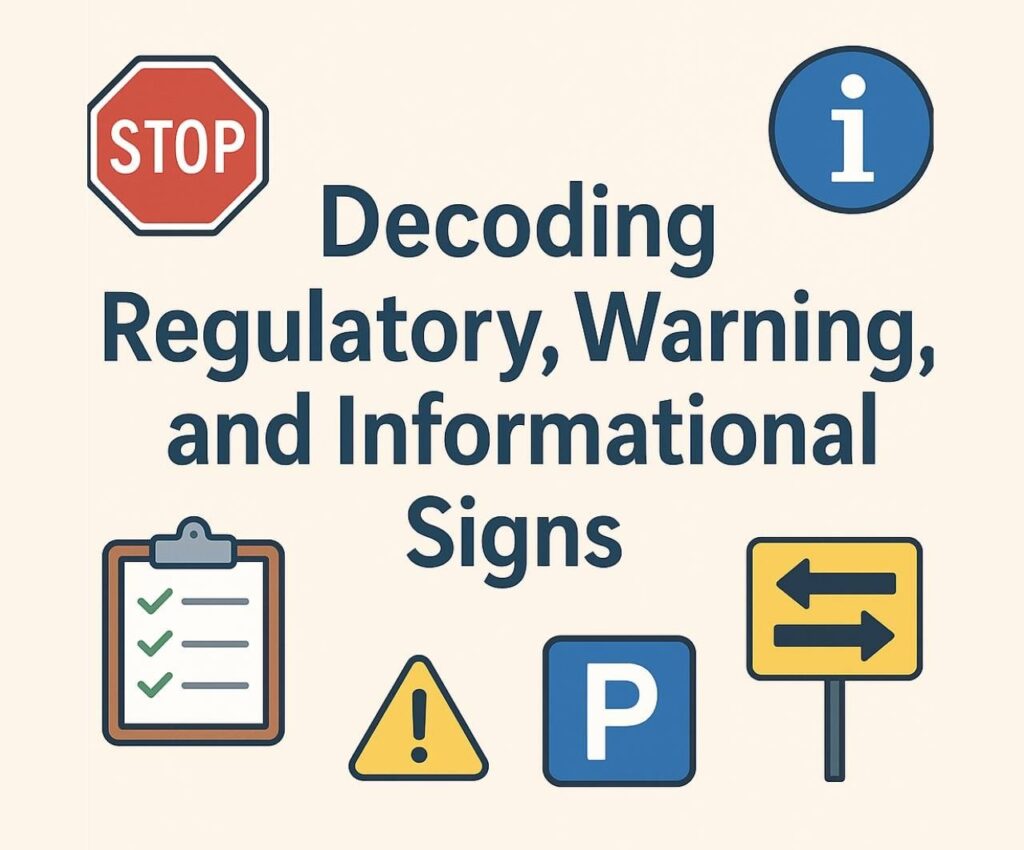
When navigating roads, highways, or even pedestrian pathways, regulatory signs, warning signs, and informational signs play a crucial role in ensuring safety, efficiency, and clarity. Each of these traffic sign categories serves a distinct purpose: regulatory signs communicate the laws drivers must follow, warning signs alert motorists and pedestrians to potential hazards ahead, and informational signs provide essential guidance and directions to help travelers reach their destinations smoothly. Understanding the differences between these signs and how to respond to them is essential for safe driving, urban planning, and traffic management.
Traffic signs are more than just symbols—they are a universal language of the road. By decoding regulatory signs, warning signs, and informational signs, drivers and pedestrians alike can reduce accidents, improve traffic flow, and enhance road safety. In this article, we explore these three types of signs in detail, discuss their importance, and provide tips for recognizing and responding to them efficiently. Know more..
Understanding Regulatory Signs
Regulatory signs are perhaps the most crucial type of traffic signs because they communicate the rules that road users are legally required to follow. These signs include speed limits, no-parking zones, one-way streets, stop signs, yield signs, and no-entry signs. Ignoring regulatory signs can result in legal consequences, traffic citations, or even accidents.
Common Types of Regulatory Signs
- Stop Sign
The stop sign is universally recognized and instructs drivers to come to a complete stop at an intersection or crosswalk. Compliance is mandatory, making it one of the most critical regulatory signs. - Speed Limit Sign
Speed limit signs are designed to maintain traffic flow and safety. They prevent reckless driving by clearly stating the maximum speed permitted on a particular stretch of road. - No Parking / No Stopping Signs
These regulatory signs ensure that vehicles do not obstruct traffic, emergency routes, or pedestrian pathways. Violating these signs can result in fines or towing. - One-Way / Do Not Enter Signs
These signs prevent traffic congestion and accidents by indicating the direction of traffic flow. They are essential for maintaining order, particularly in busy urban areas.
Importance of Regulatory Signs
- Legal Enforcement: By following regulatory signs, drivers comply with traffic laws, avoiding fines and penalties.
- Road Safety: These signs help prevent collisions by clearly defining the rules of the road.
- Traffic Efficiency: Proper adherence to regulatory signs ensures smooth traffic flow, minimizing congestion.
Regulatory signs are typically displayed in standardized shapes and colors for easy recognition. For instance, octagonal red signs are universally recognized as stop signs, while rectangular signs often display speed limits or parking restrictions.
Understanding Warning Signs
While regulatory signs dictate the rules, warning signs alert road users about potential hazards or changes in road conditions. They prepare drivers and pedestrians to respond cautiously, reducing the risk of accidents. Warning signs are typically yellow or orange and use symbols or text to communicate danger clearly.
Common Types of Warning Signs
- Curve Ahead
These signs indicate sharp bends or curves in the road and prompt drivers to reduce speed. - Pedestrian Crossing
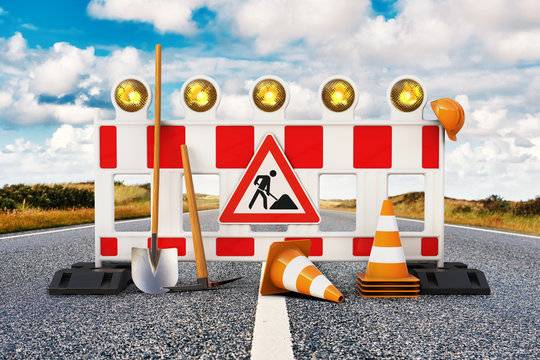
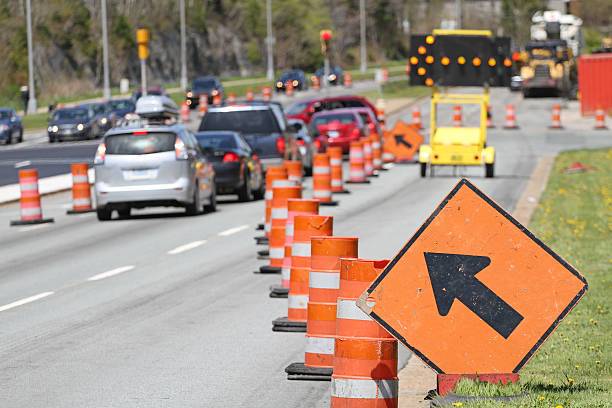
Warning signs near schools, residential areas, or crosswalks help drivers anticipate pedestrian activity. - Slippery Road / Road Work Ahead
These signs alert drivers to temporary or permanent hazards, such as construction zones or weather-related risks. - Animal Crossing Signs
In rural or forested areas, these warning signs indicate possible animal movements across the road, reducing collision risks.
Importance of Warning Signs
- Accident Prevention: By notifying drivers of upcoming hazards, warning signs reduce accident rates.
- Early Preparedness: Drivers can slow down, change lanes, or stop as required, improving response times.
- Public Awareness: These signs remind road users to exercise caution, fostering a safety-first culture.
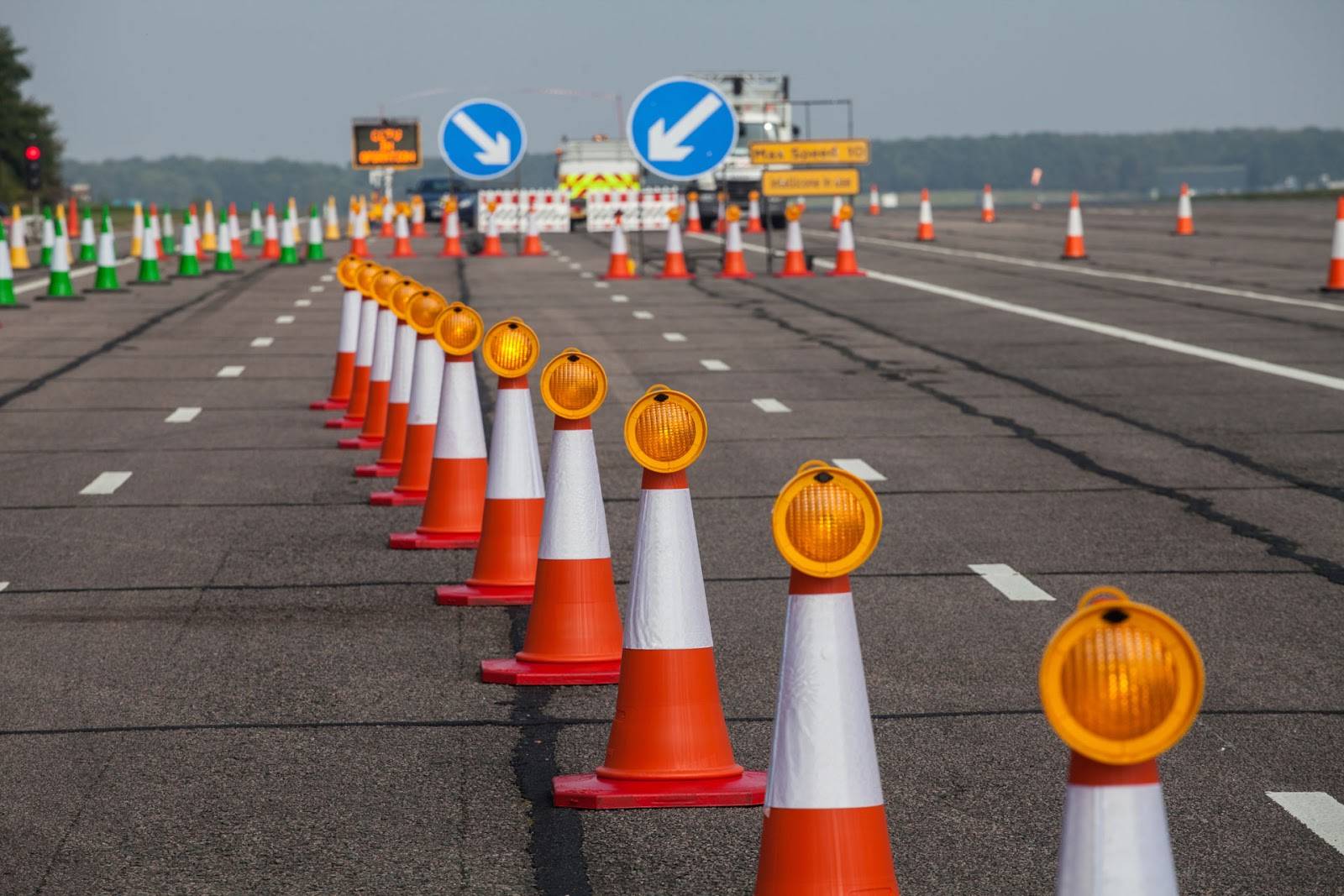
Unlike regulatory signs, which require compliance, warning signs are proactive tools for alerting and preparing drivers rather than enforcing laws directly. They are essential in areas with unexpected conditions, such as construction zones, accident-prone curves, or school zones.
Understanding Informational Signs
While regulatory signs enforce rules and warning signs prevent hazards, informational signs provide guidance and direction. They help road users navigate safely and efficiently, offering details about destinations, distances, facilities, or services.
Common Types of Informational Signs
- Direction Signs
These signs show distances to cities, towns, or specific locations, helping drivers plan their routes effectively. - Rest Area / Service Area Signs
Informational signs indicating nearby rest stops, gas stations, or emergency facilities enhance convenience for travelers. - Hospital / Emergency Services Signs
These signs guide drivers to medical services, critical for emergency response. - Tourist Attraction Signs
Often found in recreational areas, these signs provide directions to parks, landmarks, or cultural sites.
Importance of Informational Signs
- Guidance and Navigation: Informational signs reduce confusion by clearly indicating directions and facilities.
- Travel Convenience: Road users can locate essential services like gas stations, restrooms, or hospitals efficiently.
- Traffic Flow Optimization: By providing advance notice of exits, intersections, or service areas, these signs prevent sudden lane changes and congestion.
Informational signs are usually rectangular and use contrasting colors for readability. Blue and green backgrounds with white text are common for highways, while brown is often used for tourist attractions.
Tips for Recognizing and Responding to Traffic Signs
1. Learn the Shapes and Colors
- Red: Regulatory signs, stop or prohibition.
- Yellow / Orange: Warning signs, caution required.
- Blue / Green / Brown: Informational signs, guidance and services.
Shapes also matter: octagons for stop, triangles for yield or warning, rectangles for guidance or information.
2. Observe Early
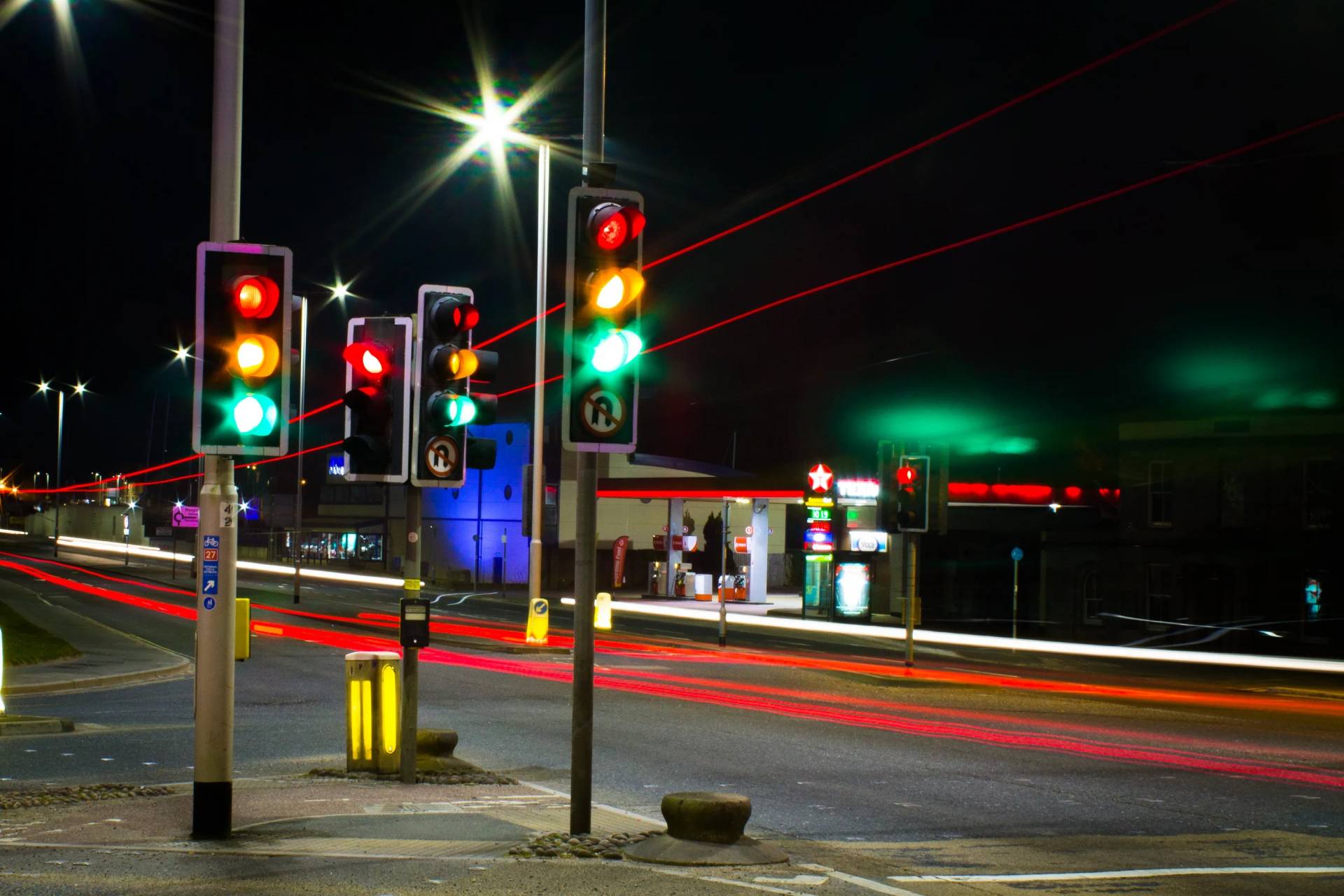
Early recognition gives drivers enough time to respond safely, whether it’s slowing down for a curve or preparing to stop at a traffic light.
3. Know the Symbols
Traffic signs often use symbols instead of words for universal understanding. Familiarity with these symbols allows for quicker, instinctive reactions.
4. Follow the Rules
While warning signs alert you, regulatory signs are non-negotiable. Ignoring them can result in accidents or legal consequences.
5. Use Informational Signs Strategically
Plan your route using informational signs to avoid unnecessary stops, congestion, or missed exits. These signs are especially helpful for long-distance travel or unfamiliar areas.
The Evolution of Traffic Signs
Traffic signs have evolved significantly over the decades. Modern cities use reflective materials, LED illumination, and digital variable-message signs to improve visibility and comprehension. In addition, mobile apps and GPS integration often complement informational signs, offering real-time navigation and alerts.
Urban planners and transportation authorities continuously analyze accident data and traffic patterns to optimize the placement of regulatory signs, warning signs, and informational signs. Smart cities are increasingly adopting adaptive traffic signs that adjust visibility or content based on weather, traffic conditions, or time of day.
Conclusion
Understanding regulatory signs, warning signs, and informational signs is essential for safe and efficient road use. Regulatory signs establish rules, warning signs prepare drivers for hazards, and informational signs guide travelers to their destinations. By learning to decode these signs, drivers, pedestrians, and city planners can reduce accidents, improve traffic flow, and enhance overall road safety.
The next time you drive or walk on city streets, pay close attention to these three categories of traffic signs. Recognize the difference, respect the rules, and respond appropriately. Doing so not only ensures your safety but contributes to the efficiency and safety of the entire transportation system.
Traffic signs are more than symbols—they are a language of safety, guidance, and information. Mastering this language is key to becoming a responsible road user.