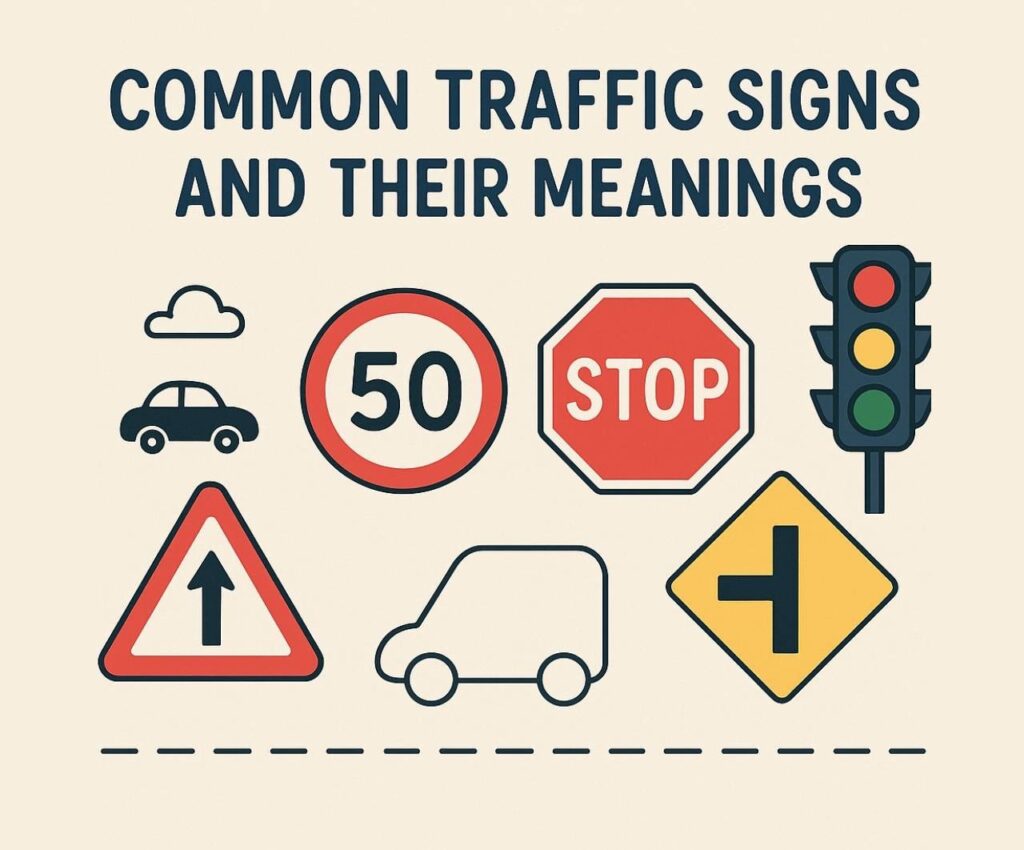
When it comes to driving safely, understanding common traffic signs is crucial. Every driver, pedestrian, and cyclist must be aware of traffic sign meanings to navigate roads efficiently and avoid accidents. Whether you are a new driver learning the rules or an experienced motorist brushing up on your knowledge, this road signs guide will help you recognize the most important signs, interpret their instructions, and respond appropriately on the road.
In this article, we’ll explore the various types of common traffic signs, explain their traffic sign meanings, and provide practical tips for staying safe on the road. This guide will serve as your go-to reference for understanding road safety and ensuring compliance with traffic laws. Know more..
Types of Common Traffic Signs
Traffic signs are generally categorized into three main types: regulatory signs, warning signs, and informational signs. Each type has a unique purpose and design, helping drivers respond correctly in different situations. Knowing the traffic sign meanings for each type is essential for safe driving.
1. Regulatory Signs
Regulatory signs inform drivers about traffic laws and regulations that must be followed. Ignoring these signs can result in fines, accidents, or legal consequences. Here are some examples of common traffic signs under this category:
- Stop Sign: A red octagon with white letters. This sign tells drivers to come to a complete stop at an intersection and proceed only when it is safe.
- Yield Sign: A red and white triangle that instructs drivers to slow down and give the right-of-way to oncoming traffic.
- Speed Limit Sign: Usually a rectangular sign displaying the maximum or minimum legal speed for that road segment. Obeying speed limits prevents accidents and ensures smooth traffic flow.
- No Parking / No Stopping Signs: Indicate areas where parking or stopping is prohibited. These help maintain traffic movement and avoid congestion.
Understanding these traffic sign meanings ensures that you follow road rules and reduce the risk of collisions.
2. Warning Signs
Warning signs alert drivers to potential hazards ahead. These signs are typically yellow with black symbols and are designed to grab attention quickly. Key examples of common traffic signs in this category include:
- Curve Ahead: Warns drivers about a sharp bend or turn in the road. Reducing speed is crucial for safety.
- Pedestrian Crossing: Indicates that pedestrians may be crossing the road, requiring drivers to slow down and yield.
- Slippery Road: Alerts drivers that the road may be slippery due to rain, ice, or other conditions.
- Animal Crossing: Warns of possible animals on the road, commonly seen in rural or forested areas.
Recognizing these warning signs and understanding their traffic sign meanings allows drivers to anticipate hazards and react appropriately.
3. Informational Signs
Informational signs provide guidance, directions, and general information to help drivers navigate roads efficiently. These are usually blue, green, or brown with white symbols or text. Examples of common traffic signs in this category include:
- Exit Signs: Indicate highway exits and help drivers plan their routes.
- Distance Markers: Show the distance to upcoming towns, cities, or landmarks.
- Hospital / Service Area Signs: Inform drivers about nearby medical facilities, gas stations, or rest areas.
- Parking Information Signs: Indicate available parking spots and rules.
These signs make up an essential part of any road signs guide, ensuring drivers can reach their destinations safely and efficiently.
Colors and Shapes: Understanding Traffic Sign Symbols
Traffic signs are designed with specific colors and shapes to convey their meaning quickly. Understanding these visual cues is vital for interpreting traffic sign meanings instantly:
- Red: Indicates prohibitive or mandatory actions (e.g., Stop, Yield, No Entry).
- Yellow: Denotes warnings and potential hazards (e.g., Curves, Slippery Roads).
- Blue: Provides informational guidance (e.g., Rest Areas, Hospitals).
- Green: Shows permitted directions or distances to destinations.
- White/Black: Regulatory signs, often displaying speed limits and rules.
Similarly, the shapes of signs carry meaning: octagons for stop, triangles for yield, rectangles for informational, and diamonds for warnings. This consistency across countries helps drivers quickly understand common traffic signs, even when traveling abroad.
Why Understanding Traffic Signs is Essential
Failing to understand traffic sign meanings can lead to accidents, traffic violations, and endanger both the driver and others on the road. By studying this road signs guide, you gain multiple benefits:
- Safety First: Proper interpretation prevents collisions, injuries, and fatalities.
- Avoid Legal Penalties: Knowing rules and regulations reduces the risk of fines and license points.
- Efficient Travel: Informational signs help plan routes and avoid delays.
- Enhanced Driving Confidence: Understanding common traffic signs improves overall road awareness.
Tips for Memorizing Traffic Signs
Learning and retaining the traffic sign meanings can be challenging for new drivers. Here are some practical tips:
- Practice Regularly: Spend time reviewing signs during driving lessons or using flashcards.
- Associate Signs with Actions: Connect the shape or color of a sign with its purpose.
- Use Mobile Apps: Many driving apps offer interactive quizzes to reinforce learning.
- Drive Mindfully: Observe road signs while driving and consciously think about their traffic sign meanings.
By practicing these strategies, drivers can master the meanings of common traffic signs more efficiently and apply them on the road.
Special Traffic Signs to Know
While standard signs cover most driving scenarios, there are some special common traffic signs that every driver should know:
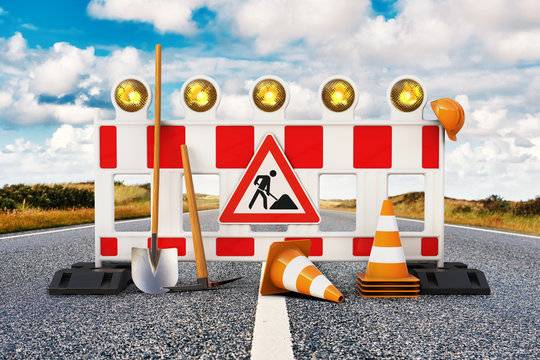
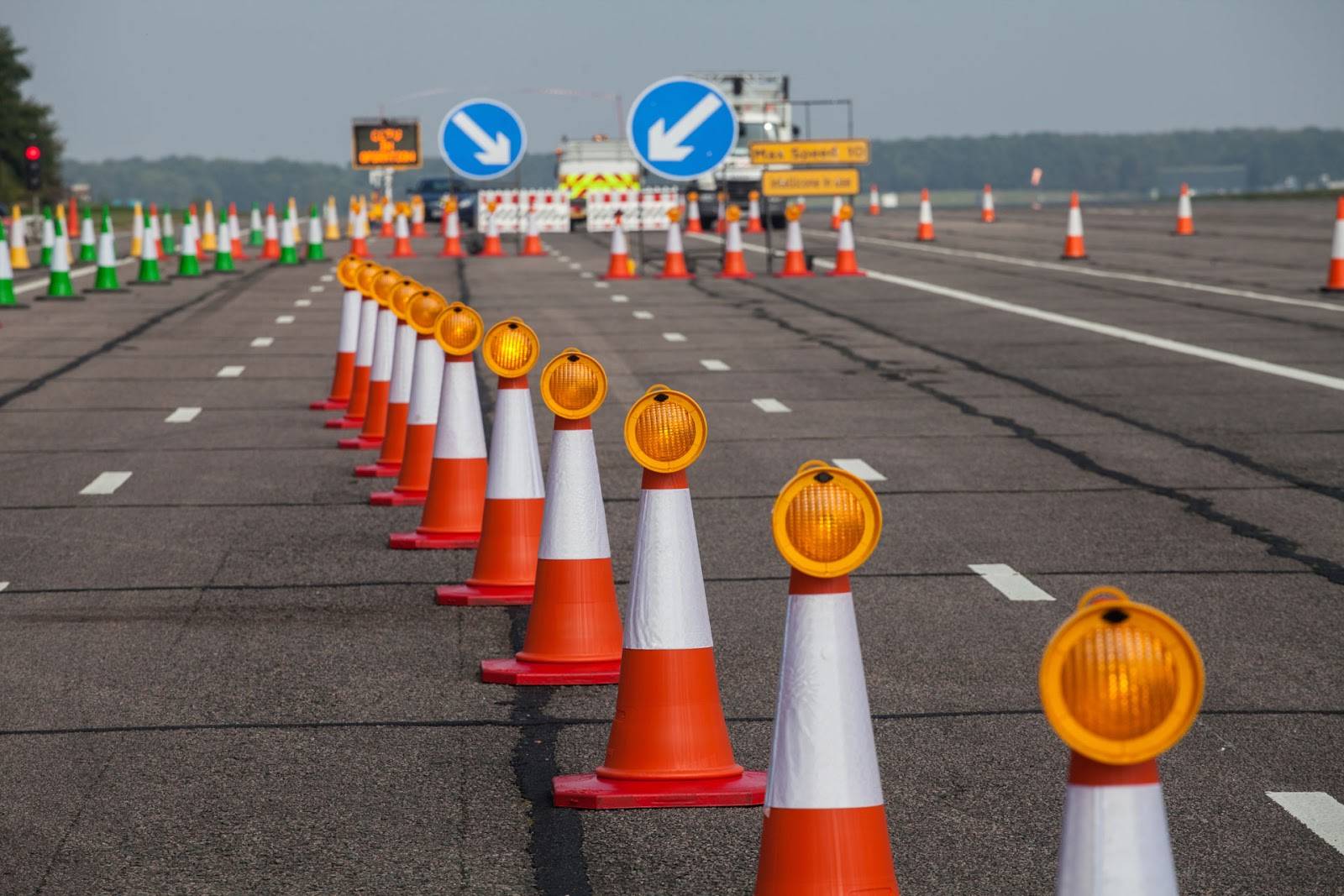
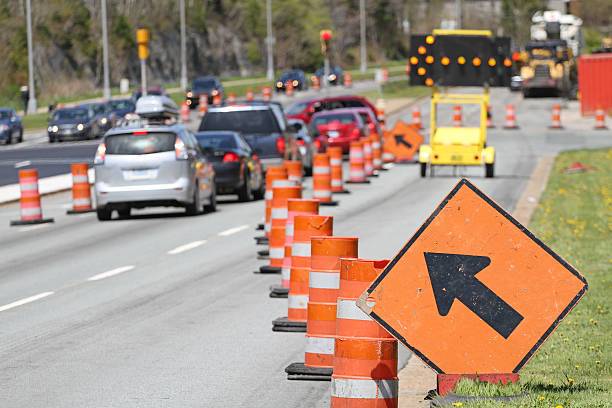
- Construction Signs: Orange with black symbols, indicating road work ahead. Slow down and follow detours.
- School Zone Signs: Usually fluorescent yellow-green, warning of children crossing and reduced speed limits.
- Railroad Crossing Signs: Circular or crossbuck signs indicating railway tracks ahead; stop if a train is approaching.
- Bicycle Lane Signs: Indicate roads with designated bike lanes; drivers should avoid obstructing cyclists.
Recognizing these signs and understanding their traffic sign meanings ensures that drivers stay alert in unique road situations.
Common Misconceptions About Traffic Signs
Even experienced drivers sometimes misunderstand common traffic signs. Here are a few misconceptions to be aware of:
- Assuming Speed Limits Are Suggestions: Speed limits are legally binding; exceeding them can result in fines.
- Ignoring Temporary Signs: Construction and detour signs may be temporary but are equally important for safety.
- Misreading Pedestrian Signs: Some drivers think pedestrian crossings are optional; always yield to pedestrians.
Being aware of these misconceptions and referring to a reliable road signs guide can prevent dangerous mistakes.
How to Use This Road Signs Guide
This comprehensive road signs guide can be used as a reference in multiple ways:
- Study Before Driving Tests: Essential for learners preparing for driving exams.
- Quick Reference for Experienced Drivers: Helps refresh knowledge on rarely encountered signs.
- Educational Resource: Useful for driving schools or road safety campaigns.
- Travel Preparation: Assists drivers navigating unfamiliar roads or countries.
By consistently referring to a trusted road signs guide, you can ensure your driving knowledge is up-to-date and accurate.
Conclusion
Understanding common traffic signs and their traffic sign meanings is more than just a requirement—it’s a responsibility for all road users. From regulatory and warning signs to informational markers, each plays a crucial role in maintaining road safety and ensuring smooth traffic flow.
By following this road signs guide, you can enhance your driving skills, avoid penalties, and contribute to safer roads for everyone. Remember to stay vigilant, obey traffic rules, and pay attention to all signs, regardless of how familiar the roads may seem.
Whether you’re a new driver or an experienced motorist, mastering common traffic signs is the key to confident, safe, and responsible driving. Keep this guide handy, revisit it regularly, and make understanding traffic signs a priority on every journey.