Airports operate as complex ecosystems, requiring precision, safety, and smooth logistics both in the air and on the ground. A key component of their ground safety infrastructure is the strategic use of 36 inch traffic cones, buy traffic cones, and 18 inch traffic cones across runways, taxiways, and service roads. While they may appear basic, these cones play an essential role in managing daily operations, protecting personnel, and guiding vehicular and aircraft movement on the tarmac. Know more.
Traffic Cone Standards in Aviation Environments
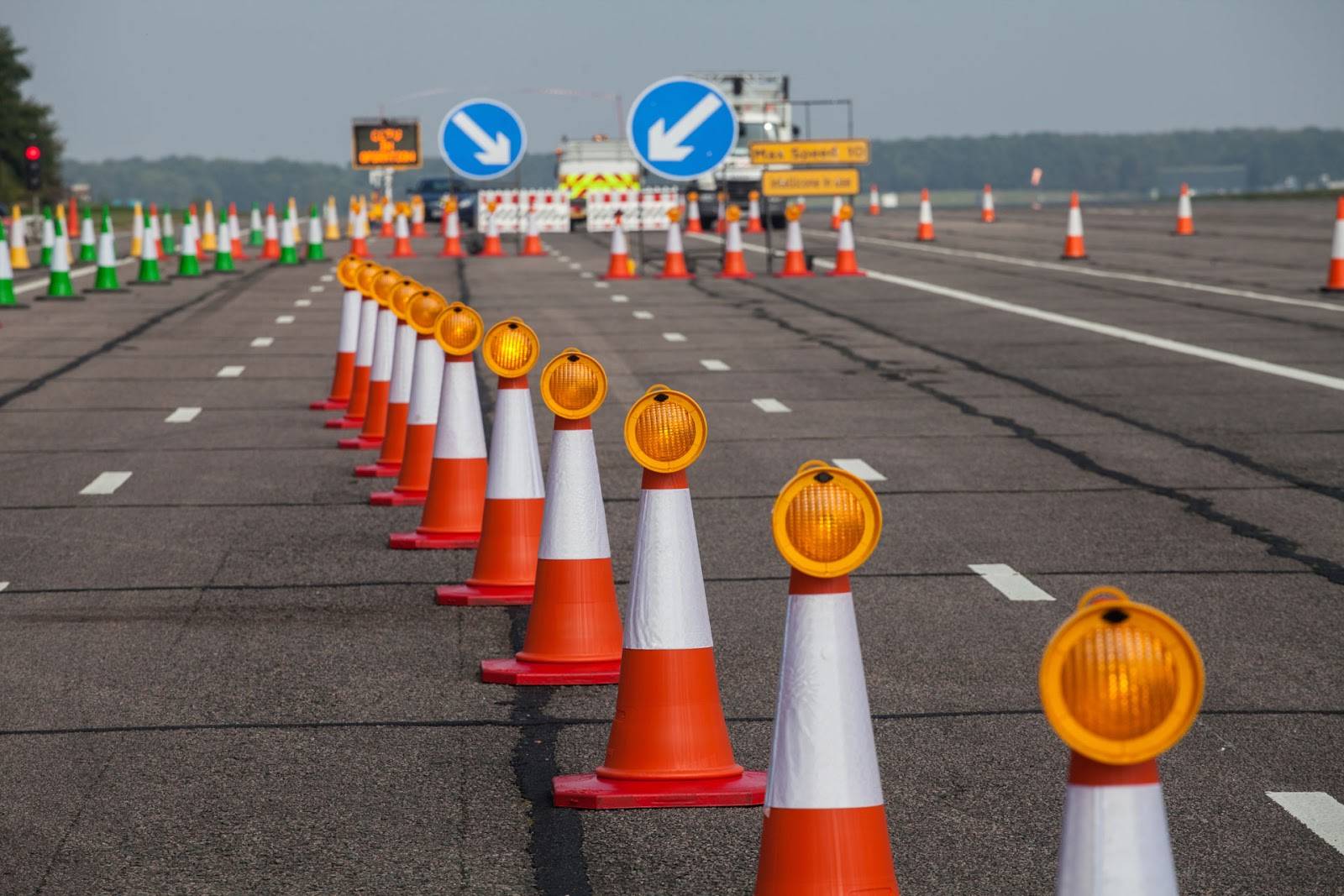
In the aviation sector, strict standards govern every aspect of ground equipment, including cones. Airports rely heavily on 36 inch traffic cones for high-visibility requirements around jetways, maintenance zones, and baggage areas. These taller cones are preferred for high-traffic and low-light areas where visual recognition is critical from a distance.
Meanwhile, 18 inch traffic cones serve more localized purposes, such as delineating service lanes near hangars or cordoning off areas for temporary utility work. Facilities managers regularly buy traffic cones in bulk from trusted OEM and wholesale partners to ensure uniformity and compliance with Federal Aviation Administration (FAA) and local regulations.
Use Cases: From Apron to Perimeter
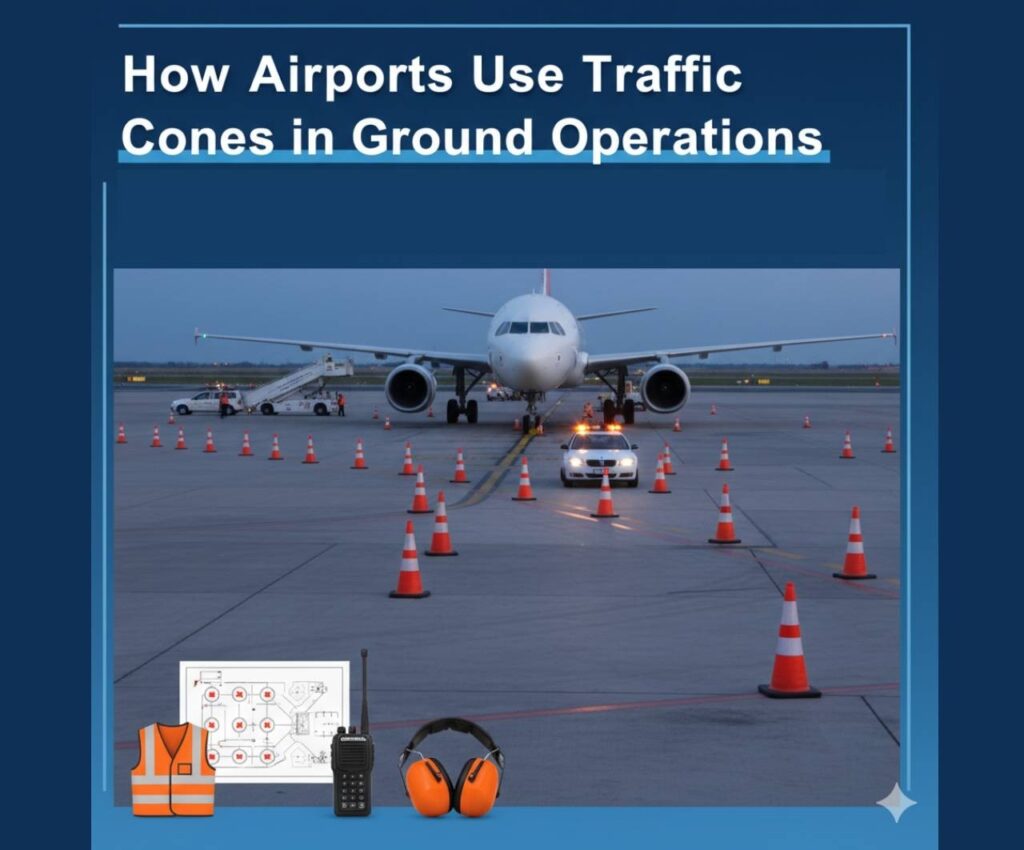
Each section of an airport’s ground network has its own set of challenges. On the apron, where aircraft are parked, loaded, and refueled, 36 inch traffic cones are deployed to create buffer zones. These cones form clear boundaries around aircraft engines, wheel chocks, and fueling zones, warning ground staff of danger areas and preventing equipment from getting too close.
In maintenance zones or temporary construction sites, crews use 18 inch traffic cones to demarcate lanes or mark access points for light service vehicles. Since airport environments are fast-paced, these cones are often lightweight yet durable—ideal for quick deployment.
Our OEM-grade solutions offer options with high-intensity reflective bands, UV-resistant coatings, and weighted bases for wind resistance. Clients buy traffic cones knowing each unit meets impact resilience standards required in high-risk environments.
Color Coding and Visibility Considerations
While the classic orange remains dominant, certain airports use color-coded cones for additional signaling. Blue cones may indicate areas under inspection, green for environmental zones, and red for no-entry danger zones. Regardless of color, the FAA recommends a minimum height of 36 inches in high-risk zones, making 36 inch traffic cones the preferred choice for critical safety applications.
By contrast, 18 inch traffic cones are often used indoors—within terminal maintenance corridors, equipment storage areas, and back-of-house access points—where ceiling heights and confined spaces make large cones impractical.
Our inventory allows buyers to buy traffic cones in customized colors and branding, ensuring seamless integration with broader airport visual systems and identity standards.
Traffic Cones and Vehicle Control
Ground support vehicles—such as luggage carts, fuel trucks, and maintenance vehicles—rely heavily on visual cues for movement. Cones are used to channelize these vehicles, reduce cross-traffic confusion, and establish temporary routing during maintenance or emergencies.
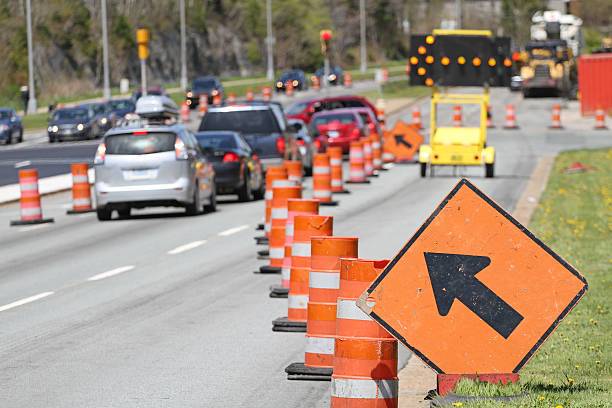
36 inch traffic cones are placed along designated travel corridors, particularly during peak hours or adverse weather. Airports also use interlinked cones with retractable bands to create semi-permanent lanes or detours. Wholesale clients often buy traffic cones with collapsible features for quick storage in service trucks.
For less permanent setups, 18 inch traffic cones offer flexibility. Whether marking out generator placement or isolating an electrical box, these cones provide immediate visual control, reducing the chance of operational hazards.
Weather-Resilient Cone Designs
Airports face challenging environmental conditions—from snow and fog to strong winds and scorching heat. That’s why airports invest in 36 inch traffic cones made from premium thermoplastic materials designed to endure extreme temperatures and resist color fading.
Our cone models are tested in diverse weather simulations, ensuring that clients who buy traffic cones receive products that perform year-round. The 18 inch traffic cones we offer also undergo similar weatherproofing, albeit intended for shorter exposure times and lighter traffic environments.
These factors make high-durability cones a smart investment for facility managers, particularly when long-term deployment is required.
Compliance and Operational Guidelines
Regulatory bodies, including the FAA and ICAO (International Civil Aviation Organization), provide strict guidelines for cone deployment. Requirements often dictate visibility range, spacing intervals, reflective properties, and color use depending on runway or apron proximity.
Our wholesale team supports buyers looking to buy traffic cones in accordance with these standards. Each 36 inch traffic cone or 18 inch traffic cone we distribute includes product specs aligned with airport compliance charts, reducing buyer risk and speeding up procurement processes.
OEM clients benefit from our documentation packages, which detail each cone’s certifications, reflective compliance, and material sourcing—vital for government or defense-related airport operations.
Advantages of Buying from a Wholesaler and OEM Partner
Airports prefer to partner with OEM and wholesale suppliers who offer consistent quality, fast lead times, and volume flexibility. Whether they need 500 36 inch traffic cones for a runway project or a recurring monthly order of 18 inch traffic cones for facility upkeep, our supply chain is equipped to scale.
By choosing to buy traffic cones from a specialized OEM, clients gain access to bulk pricing, customized design, and logistical expertise. Our team helps airports pre-plan their cone deployments based on flight schedules, terminal expansions, and seasonal shifts—ensuring maximum efficiency and minimum disruption.
Case Study: Regional Airport Safety Enhancement
A mid-sized regional airport recently upgraded its tarmac safety system by switching to our line of 36 inch traffic cones with dual reflective bands. Previously relying on lower-quality products, the airport faced cone displacement due to wind and occasional vehicle collisions.
Post-deployment, the staff reported a 60% decrease in cone-related incidents and faster setup times during aircraft arrival. They also opted to buy traffic cones with built-in RFID chips to monitor placement and reduce inventory loss. In indoor terminals, the facility incorporated 18 inch traffic cones for janitorial and maintenance access marking, enhancing pedestrian safety and professionalism.
Inventory and Product Highlights
- 36 inch traffic cones: Ideal for airside use, high-visibility zones, and regulatory compliance. Options available with 6″ and 4″ reflective collars, black rubber bases, and stackable designs.
- 18 inch traffic cones: Best suited for controlled areas and temporary use. Lightweight, portable, and cost-effective, with custom color choices.
- Buy traffic cones in bulk: Discounts available for wholesale orders. Includes custom branding, labeling, and international shipping options.
Final Word: A Small Tool with Big Impact
Though simple in appearance, 36 inch traffic cones, 18 inch traffic cones, and the decision to buy traffic cones strategically can significantly influence ground safety and operational flow in airports. By selecting the right cone sizes and specifications, airports minimize risks, improve workflow, and meet stringent safety standards—without overextending budgets.
As an OEM and wholesaler committed to innovation and reliability, we stand ready to support airside and landside teams with cones built for the skies, the tarmac, and everything in between.