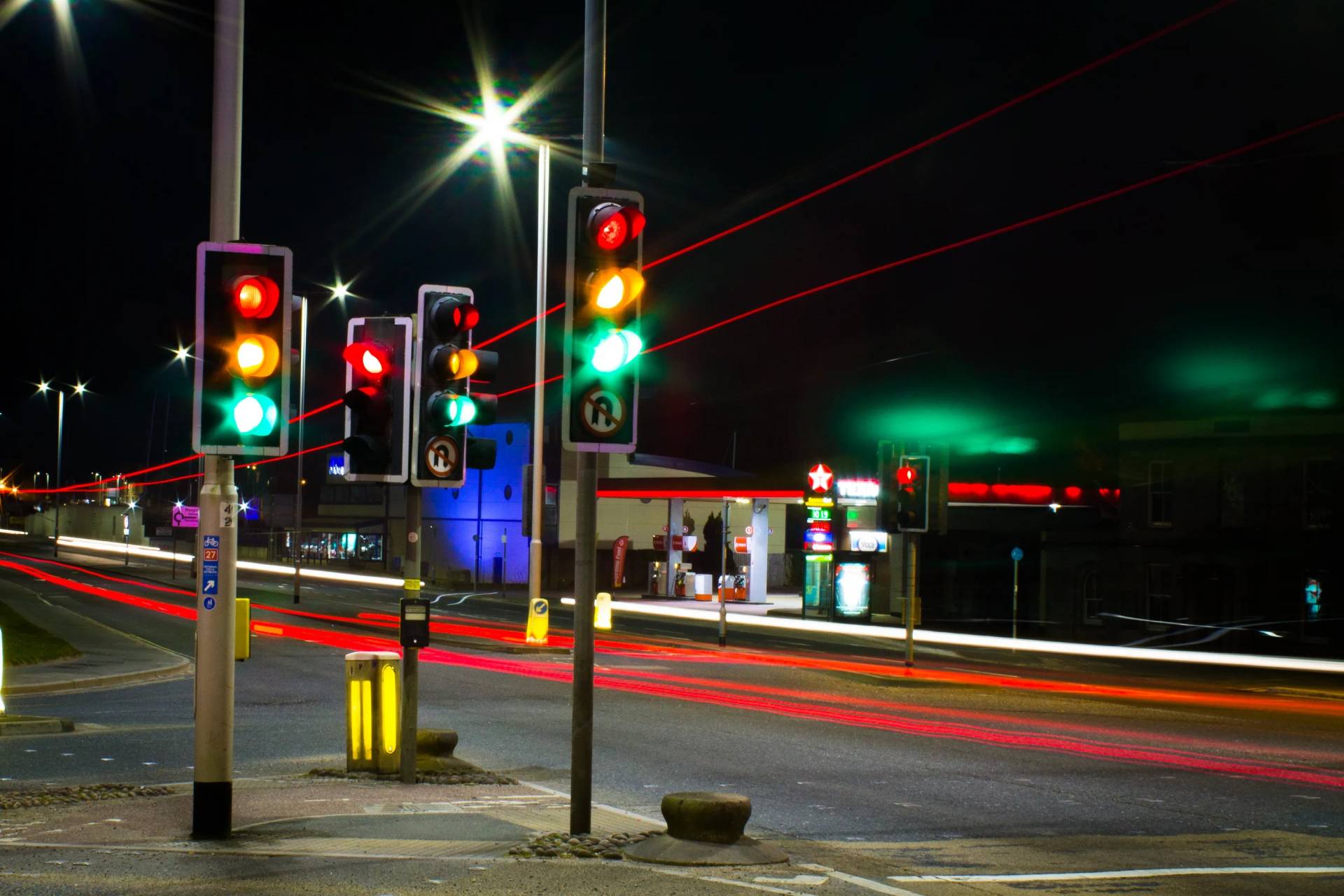
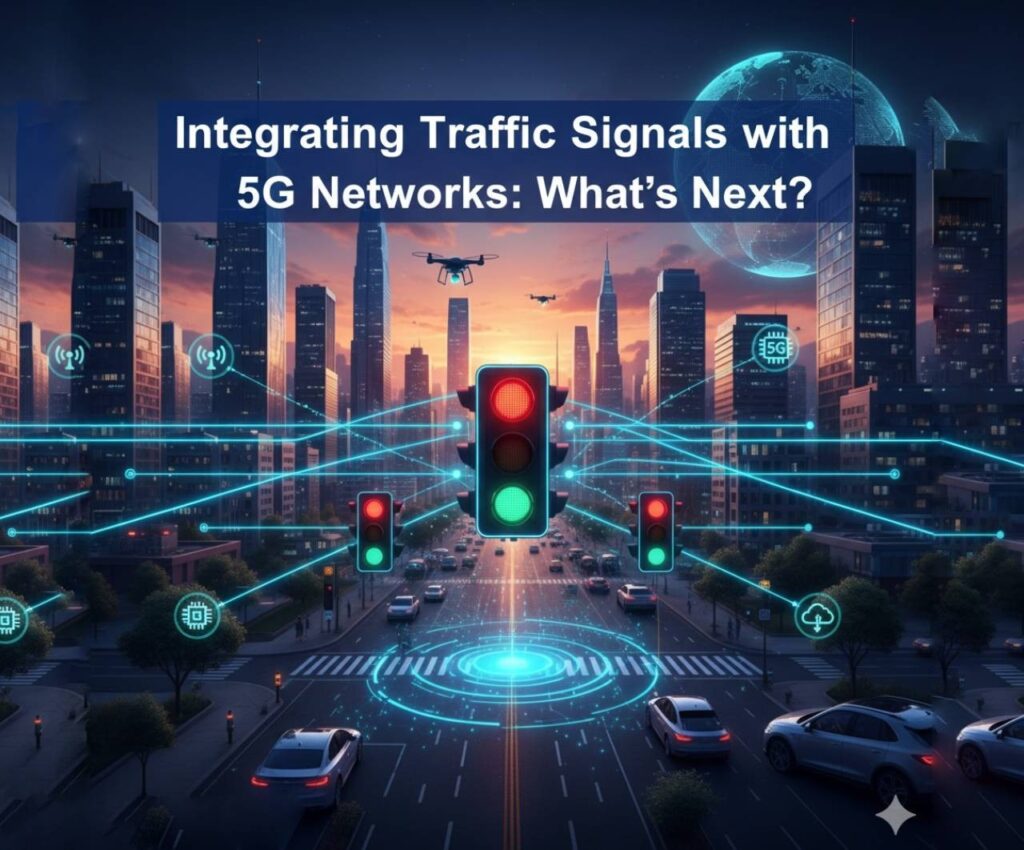
As urban landscapes evolve into smart cities, traffic infrastructure is undergoing a dramatic transformation. Among the technologies reshaping mobility, the integration of 5G into intelligent traffic control systems is emerging as a game-changer. With high-speed, low-latency connectivity, 5G paves the way for more responsive systems—optimizing everything from amber traffic signal timing to dynamic bike traffic signals and even adaptive legacy systems like the eagle signal traffic light.
For traffic product manufacturers and OEM suppliers like Trafficsigncustom, understanding how 5G networks impact signal systems is crucial—not just for staying ahead of the curve, but for actively shaping it. Know more.
Why 5G Matters for Traffic Management
Fifth-generation wireless technology isn’t just about faster internet on smartphones. In the context of urban infrastructure, 5G introduces ultra-reliable, low-latency communication between devices. This is key for real-time responses, adaptive routing, and predictive traffic control.
When applied to traffic signals—particularly systems like amber traffic signals that require precise timing for safety—the result is more efficient intersections, fewer traffic jams, and lower accident rates. For bike traffic signals, 5G enables sensors and AI to adjust timings based on real-time bike volumes, enhancing both cyclist safety and traffic flow.
Even traditional systems like the eagle signal traffic light can be retrofitted with smart controllers to interface with 5G, allowing older infrastructure to adapt rather than be replaced entirely.
Smart Signals in the 5G Era
What exactly happens when traffic signals connect to a 5G network? Here’s what it enables:
- Vehicle-to-Infrastructure (V2I) communication: Cars can “talk” to signals and vice versa
- Adaptive signal timing: Signals adjust based on traffic, weather, or emergencies
- Remote diagnostics: Problems in a signal system are detected and resolved remotely
- Priority signaling: Emergency vehicles or public transit get automated green lights
- Cyclist and pedestrian tracking: Through sensors connected to bike traffic signals
The benefit? More efficiency, safety, and environmental savings through smoother traffic flow. Amber traffic signals, traditionally fixed in timing, can now adapt based on predictive algorithms using data from nearby vehicles or road conditions.
The Role of 5G in Micromobility and Bike Signals
Micromobility—scooters, bicycles, e-bikes—is on the rise. Cities are redesigning intersections to accommodate these users with dedicated bike traffic signals. 5G elevates this trend by enabling real-time data exchange between road sensors, cloud servers, and signal controllers.
For example, with 5G, a city can:
- Detect high cyclist volumes and extend green cycles
- Use camera and sensor fusion to identify waiting bikes
- Sync bike traffic signals with pedestrian crosswalks and traffic lights to minimize conflicts
- Gather environmental data (rain, glare) and trigger automatic safety overrides
This real-time responsiveness makes the city more livable—and Trafficsigncustom, as a tech-forward OEM, is at the forefront of developing compatible hardware for these applications.
Updating Legacy Systems Like Eagle Signal Traffic Lights
The eagle signal traffic light has a long history of reliable service. However, legacy doesn’t mean outdated—especially in a 5G-enhanced world. Retrofitting existing lights with smart controllers and 5G-enabled chips brings these systems into the future without discarding the hardware investments cities have already made.
Trafficsigncustom offers retrofit solutions that allow municipalities to:
- Maintain visual continuity and branding
- Add smart modules for communication and diagnostics
- Integrate legacy eagle signal traffic light units into city-wide signal networks
This approach is both cost-efficient and sustainable—two top priorities in municipal planning.
Challenges to Integration
Despite the promise, integrating traffic signals with 5G isn’t without hurdles:
- Infrastructure costs: Upgrading to smart-compatible signals and sensors requires investment
- Security: Real-time systems must be protected against cyber threats
- Standardization: Cities must align with emerging global standards for amber traffic signal timing and smart protocol formats
- Compatibility: Bridging old technologies like the eagle signal traffic light with new communication protocols requires expertise and custom solutions
As a wholesaler and OEM, Trafficsigncustom works directly with urban planners and transport engineers to deliver tailored solutions that address these challenges head-on.
What 5G + Traffic Signals Means for Public Safety
Public safety is where the benefits of 5G-integrated traffic systems really shine. Consider the following scenarios:
- A pedestrian crossing with integrated cameras detects a person starting to cross late. The amber traffic signal phase is extended by two seconds automatically.
- A fire truck equipped with V2I triggers green lights along its route, reducing response time.
- Bike traffic signals prioritize a school zone bike lane during morning hours to improve safety for students.
Each of these outcomes is powered by fast, dependable communication—precisely what 5G delivers.
Data, AI, and the Future of Predictive Signaling
Beyond immediate control, 5G allows traffic signals to become data collectors and processors. This opens doors to:
- Machine learning models that predict traffic peaks and adjust amber traffic signals ahead of time
- AI-based safety alerts based on patterns in bike traffic signal usage
- Environmental responsiveness, like dimming or intensifying signals during heavy fog or glare
As AI and data tools mature, traffic signals will shift from reactive to predictive—delivering a city that responds in real time to human behavior and environmental variables.
Cross-Industry Collaboration
The integration of 5G into traffic signal systems doesn’t happen in a vacuum. It requires collaboration between:
- Telecom providers
- City governments
- Smart tech startups
- Hardware manufacturers like Trafficsigncustom
Whether it’s syncing eagle signal traffic light systems with 5G routers or designing new bike traffic signals with embedded chips, no single player can do it alone.
At Trafficsigncustom, we work hand-in-hand with tech developers and city planners to deliver hardware that not only fits today’s needs but is scalable for tomorrow’s systems.
Where We Go From Here
The fusion of 5G technology with urban infrastructure marks a major milestone in transportation. It’s not just about smarter intersections—it’s about creating connected environments where signals, vehicles, bikes, and people interact seamlessly.
For city leaders, contractors, and engineers, the next steps include:
- Auditing existing signal networks (especially older eagle signal traffic light systems)
- Developing strategic plans for 5G upgrades
- Implementing smart amber traffic signal algorithms using real-time feedback
- Scaling bike traffic signals based on neighborhood demand
Trafficsigncustom stands ready to support each of these stages with OEM-grade solutions built for smart cities and future-ready networks.
Final Thoughts
5G isn’t a trend—it’s the infrastructure backbone of the smart cities we’re already building. Whether you’re modernizing intersections, adding new bike traffic signals, or upgrading legacy systems like the eagle signal traffic light, this technology provides the tools for faster, safer, more efficient mobility.
As a dedicated OEM and wholesale partner, Trafficsigncustom is proud to help shape this future—one intelligent signal at a time.