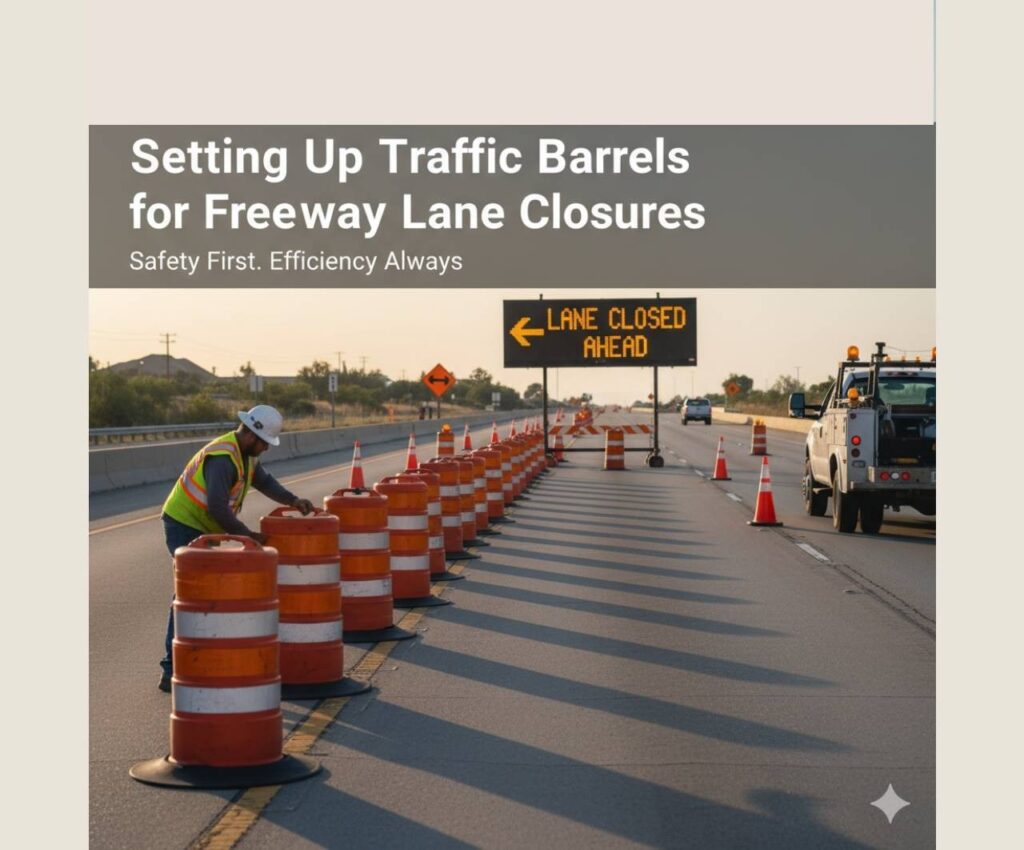
In modern highway construction and maintenance, proper deployment of traffic safety barrels, traffic cone barrel, and bulk traffic barrels is critical to ensuring driver and worker safety. As urbanization accelerates and infrastructure upgrades increase worldwide, understanding how to strategically place these traffic control devices during freeway lane closures has become a crucial competency for contractors, DOT officials, and bulk procurement professionals alike. Know more.
The Importance of Proper Traffic Barrel Placement
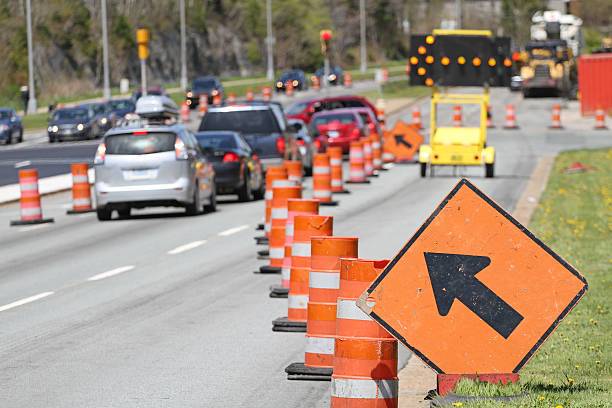
Freeway lane closures are among the most high-risk environments in road work. Vehicles travel at high speeds, and even minor misplacement of equipment can lead to serious incidents. That’s where traffic safety barrels step in. These highly visible, impact-absorbing devices are designed to guide vehicles safely through altered paths and protect construction crews from direct contact with moving traffic.
Unlike cones or delineators, a traffic cone barrel is specifically engineered to withstand higher-speed environments. Its size, color, reflectivity, and ballasting options make it the go-to choice for freeway setups, where durability and visibility are non-negotiable.
Materials, Features, and Visibility
Most traffic safety barrels are constructed using durable polyethylene or high-density materials. They come with high-intensity prismatic sheeting and optional lighting systems for night operations. Reflective stripes are typically mandated, as is the ability to be ballasted with sandbags or weighted bases for added stability.
OEMs have recently innovated barrel designs with stackable features and UV-resistant coatings to support long-term outdoor use. Offering these as part of your bulk traffic barrels inventory can significantly appeal to clients needing durable, reusable traffic control assets.
Standard Setup Guidelines for Freeway Lane Closures
1. Initial Taper Zone
The taper is where traffic begins to merge or change lanes.
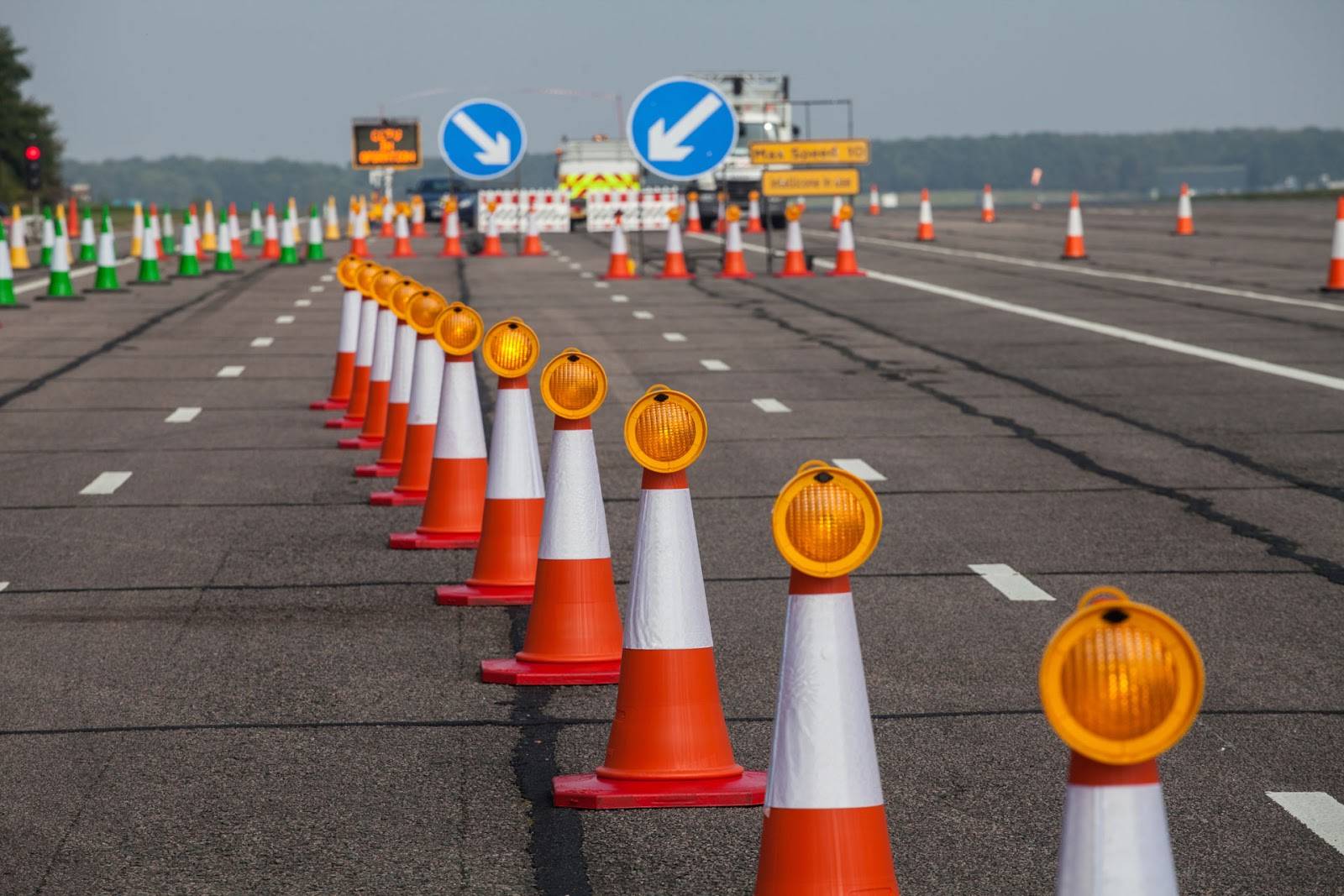
- Traffic cone barrel units should be spaced 40 feet apart in 55–65 mph zones
- For every 10 mph increase, increase spacing by 10 feet
- Taper length depends on the posted speed limit and lane shift distance
2. Buffer Zone
Located after the taper, this space protects the work crew from active traffic lanes.
- Traffic safety barrels are used to reinforce visual separation
- Additional lighting on the barrels enhances nighttime visibility
3. Work Zone
The central area where work is conducted.
- Place bulk traffic barrels every 25–50 feet depending on proximity to moving traffic
- Ensure barrels are ballasted and checked for stability throughout the work period
4. Termination Zone
Where drivers are safely guided back to the original traffic flow.
- Traffic cone barrel devices help visually and physically cue the end of the lane shift
- Reflective lighting and advance warning signs should be included
Why Contractors Prefer Bulk Traffic Barrels
Buying in bulk isn’t just about price—it’s about preparedness. Contractors managing freeway closures often deal with tight deadlines, shifting schedules, and regulatory scrutiny. Having a stock of bulk traffic barrels on-site means fast setup, consistent equipment standards, and reduced rental dependencies.
For wholesalers and OEMs, offering customizable traffic safety barrels with options like stenciled logos, color-coded tops, or RFID tracking systems adds real competitive value. Especially when working with municipalities or state DOTs, consistent branding and barrel traceability are often part of the bidding requirements.
Night Work and Lighting Integration
Freeway work doesn’t stop when the sun goes down. Night operations require barrels to be more than just visible—they must be impossible to miss. LED lights integrated into traffic safety barrels improve visibility and comply with nighttime traffic control regulations.
Many newer traffic cone barrel models now feature solar-powered LED flasher units with dusk sensors. For contractors working in multiple jurisdictions, offering bulk traffic barrels with flexible lighting attachments is a major advantage.
Weather Conditions and Barrel Stability
Wind, rain, and snow all affect barrel performance. Proper ballasting is non-negotiable. Most traffic safety barrels can accommodate up to 40 lbs of ballast, but sandbag placement must follow the manufacturer’s guidelines to prevent shifting or rolling.
OEMs and wholesalers should educate their clients on proper ballast use, including whether to use internal base-weighted barrels or external saddlebag designs. Offering anti-slip barrel bases as an add-on option is a smart upsell that improves safety and compliance.
Color and Customization Trends
While orange remains the industry standard, OEMs now offer color variations of traffic cone barrel for branding or special-purpose zones. Yellow-topped barrels may indicate surveying areas, while barrels with blue or green collars might be used in specific jurisdictions or facility-managed roads.
By offering bulk traffic barrels with color and label customization, wholesalers can cater to contractors working in highly regulated or branded environments. Custom striping, municipal seals, or project-specific serial numbers are now common in large-scale procurements.
Regulatory Compliance: MUTCD and Beyond
All traffic safety barrels must comply with local and federal regulations—especially MUTCD standards. Reflective sheeting grade, minimum size, and spacing are clearly defined. Non-compliance can result in work stoppage, fines, or liability exposure in the event of an accident.
Wholesalers should ensure that every traffic cone barrel in their catalog includes documentation on compliance. OEMs can further support clients by offering pre-certified barrel kits tailored to different jurisdictions.
Digital Monitoring and Smart Features
Smart construction is the future of traffic control. Some traffic safety barrels now come with integrated GPS tags, accelerometers, and wireless tracking to monitor real-time placement and movement. These features help prevent theft, track deployment accuracy, and support remote audits by transportation authorities.
As smart infrastructure expands, OEMs that incorporate these capabilities into bulk traffic barrels will gain a significant edge—especially in public-sector tenders that prioritize data-backed safety tools.
Real-World Use Case: Urban Freeway Rehab Project
A recent freeway lane rehab in Chicago used over 600 traffic safety barrels to manage multi-lane closures over six weeks. The project team relied on consistent 40-foot spacing in taper zones, reinforced with sand-weighted bases and solar LED flashers. Traffic cone barrel variations were used near entrances and exits, while bulk traffic barrels were stored on-site for mid-project adjustments due to weather shifts.
Contractors praised the flexibility of barrel design, noting how customization helped the barrels meet both federal specs and local branding needs. The ability to rapidly deploy pre-labeled barrels directly from a wholesale inventory was cited as a key success factor.
OEM and Wholesale Recommendations
If you’re a wholesaler or OEM servicing contractors, DOTs, or project managers, here’s how to stand out in the traffic safety barrels market:
- Offer multi-tiered pricing for bulk traffic barrels (e.g., 50, 100, 300+ units)
- Provide barrel kits pre-packaged with reflectors, flashers, and sandbags
- Supply educational content and spacing guides with every order
- Highlight lead times and offer rapid delivery from regional warehouses
- Introduce a loyalty program for repeat buyers of traffic cone barrel systems
Final Thoughts: Planning for the Future of Work Zone Safety
As freeway traffic volumes rise and governments invest more in infrastructure, proper planning and execution of lane closures is more important than ever. Traffic safety barrels remain one of the most cost-effective and versatile tools for protecting drivers and workers alike. But simply having the right equipment isn’t enough—it’s about deploying them with precision, compliance, and foresight.
For OEMs and wholesalers, delivering smart, customizable, and compliant traffic cone barrel solutions in bulk traffic barrels format will continue to set industry leaders apart. Whether it’s for overnight closures or long-term highway rehab, barrel systems are essential to keeping the flow moving—and the people safe.