When selecting the right traffic cone for safety and control zones, decision-makers often weigh options between weighted base cones and standard versions. From event organizers and road contractors to municipal buyers, the need for durable, visible, and effective cones is universal. And while styles and materials vary, performance and practicality remain key. Whether you’re shopping for blue traffic cones, extra tall traffic cones, or even standard 18 traffic cones, understanding the pros and cons of weighted bases can help you make a smarter, safer investment. Know more.
The Basics: What Sets Weighted Base Cones Apart?
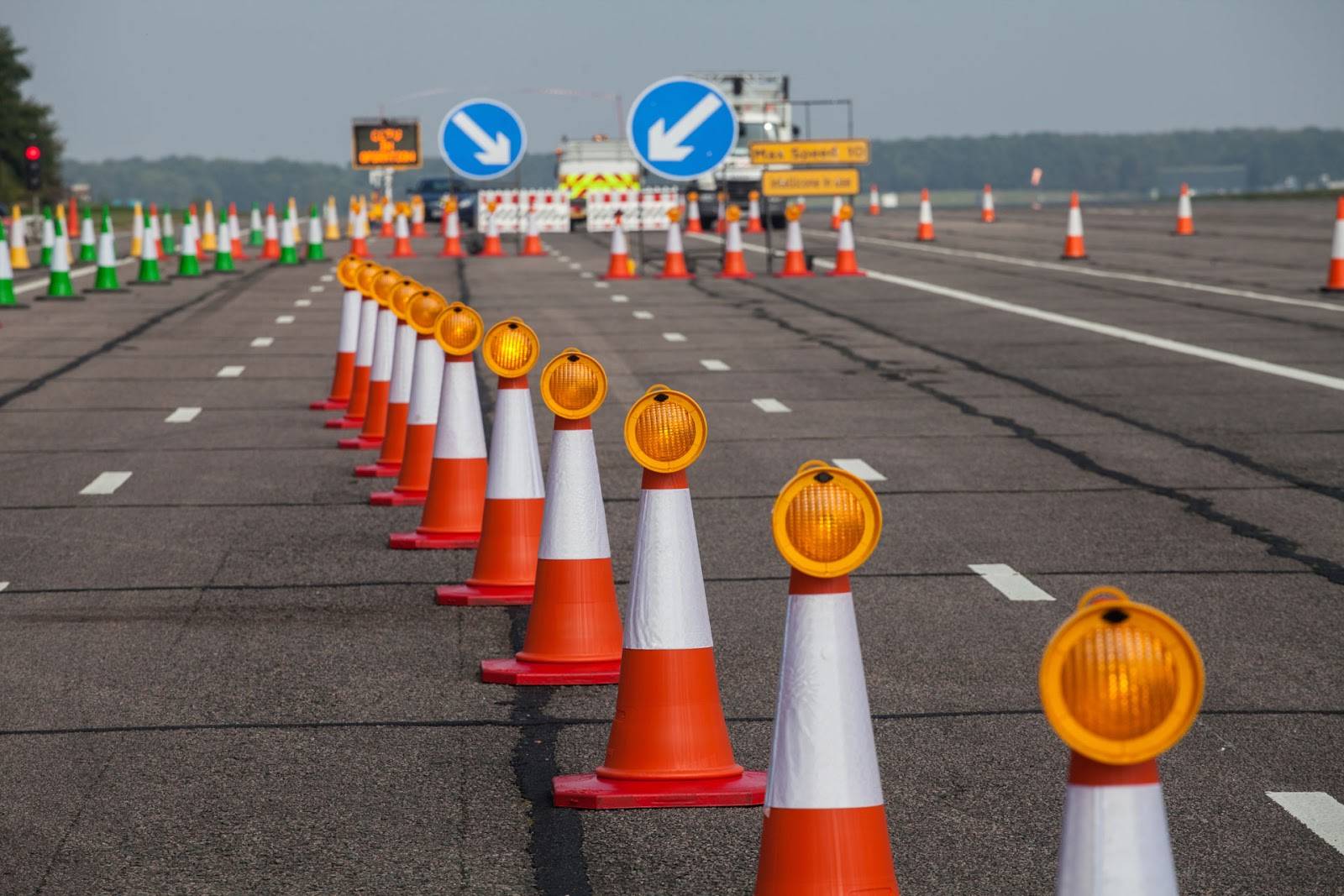
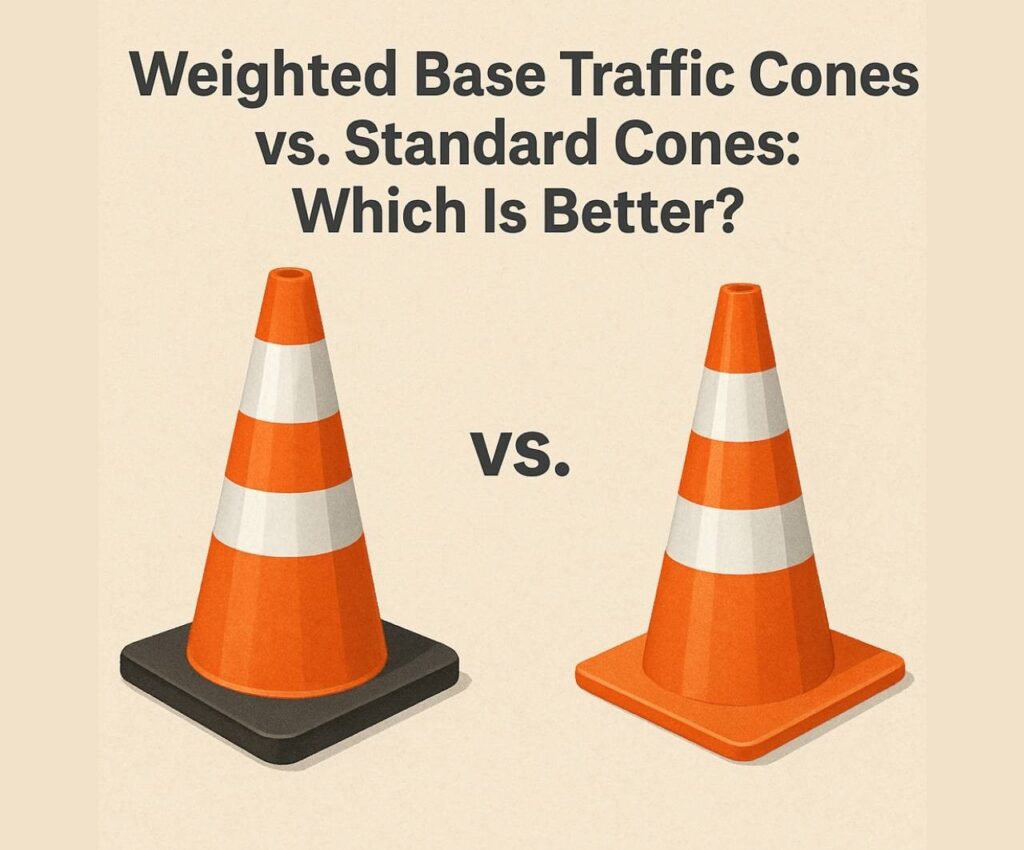
Weighted base traffic cones feature a denser rubber or recycled material base that adds stability, making them ideal for high-wind or high-traffic areas. Unlike traditional cones, these are designed to stay upright even when subjected to turbulent conditions—think freeway shoulders, airports, and construction zones.
Standard cones, on the other hand, are lighter and more affordable. While still useful for low-risk environments, they can tip over or shift more easily, especially in poor weather or when impacted by vehicles.
In today’s market, both types are available in a range of sizes, from compact 18 traffic cones to tall traffic cones used for maximum visibility. You’ll also find them in various colors, with blue traffic cones becoming increasingly popular for water-related hazards and event security.
Key Considerations When Choosing a Traffic Cone
1. Stability and Wind Resistance
Weighted base cones are the clear winner in stability. The added mass at the bottom ensures they resist tipping, which is essential in areas with vehicle turbulence, strong gusts, or uneven terrain. If you’re setting up tall traffic cones, this stability becomes even more critical. Their extended height makes them more vulnerable to wind, so the base weight counteracts this risk effectively.
2. Durability and Lifespan
Generally, cones with a weighted base are built for rougher conditions and longer use cycles. The material tends to be more rugged, UV-resistant, and better suited for year-round outdoor deployment. For cities purchasing thousands of 18 traffic cones for highway work or school zones, weighted models offer longer service life and lower replacement frequency.
3. Ease of Transport and Setup
Here’s where standard cones have an edge. Being lighter and more compact, they’re easier to stack, carry, and deploy quickly. For event planners or short-term usage—think marathons, fairs, or temporary lane closures—standard blue traffic cones or basic 18 traffic cones might be all you need.
4. Cost Considerations
Weighted base cones typically cost more due to the additional materials and manufacturing involved. But when you factor in replacement rates, lost cones due to tipping, and safety concerns, many buyers see long-term savings. For volume buyers, especially wholesalers or OEM clients ordering custom tall traffic cones, the price difference narrows considerably.
Industry Use Cases: Which Cone Fits Where?
Road Construction
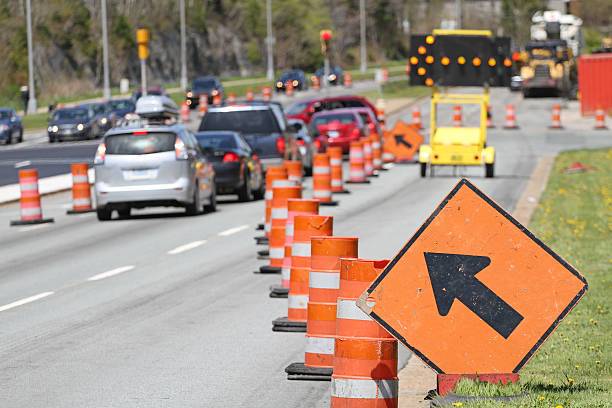
In highway or major street construction zones, safety is non-negotiable. Drivers need clear indicators, and crews need equipment that stays in place. Weighted base 18 traffic cones are ideal here—they’re compact enough for flexibility but sturdy enough to hold their ground.
Airports and Logistics
Airports increasingly rely on blue traffic cones with weighted bases to delineate restricted areas or guide service vehicles. These cones remain visible against gray tarmac and withstand jet wash and weather exposure.
Schools and Events
Standard 18 traffic cones are a favorite for school zones, sports events, and public gatherings. Their lightweight design allows for fast setup and takedown, and their affordability makes them ideal for large-scale deployment.
Emergency Services
First responders often require tall traffic cones with reflective collars for maximum visibility during nighttime or low-light situations. Here, stability and portability must balance out, often making hybrid cones (semi-weighted) a top pick.
Visibility Matters: The Case for Customization
Whether you’re branding cones with logos or choosing color-coded systems (e.g., blue traffic cones for water utilities, green for landscaping), customization increases efficiency and helps avoid misuse.
Weighted cones are easier to customize because their design allows for integrated features like LED lights, message sleeves, and collapsible options.
Material Insights: PVC vs. Rubber
Standard 18 traffic cones are typically made of PVC—lightweight, flexible, and suitable for indoor or short-term use. Weighted base cones, on the other hand, often combine PVC upper bodies with recycled rubber bases. This dual-material structure offers both visibility and strength.
Safety Impact: Don’t Let the Wind Win
Accidents caused by misplaced cones are more common than you think. A cone that falls into an active lane can cause swerving, collisions, or pedestrian confusion. Weighted base tall traffic cones help mitigate these risks by staying where they belong—even when a truck rushes by at 70 mph.
Regulatory Compliance
Departments of transportation across many countries have standards that dictate cone size, reflectivity, and stability requirements. Often, these rules recommend or require weighted bases in specific scenarios. Offering compliant blue traffic cones or weighted 18 traffic cones can be a value-added service for OEM clients and contractors.
Environmental and Maintenance Factors
Weighted cones, especially those made with recycled materials, are not only durable but eco-conscious. They reduce waste and offer lower carbon impact over time. Plus, their robust design means fewer replacements, reducing logistical strain for maintenance teams.
Which Cone Should You Stock?
For wholesalers and OEMs, offering both types—standard and weighted base—is essential. However, weighted cones tend to offer higher margins and stronger customer satisfaction due to their durability and reliability.
If you’re targeting municipalities, construction firms, or logistics providers, lead with weighted options. If your customer base includes schools, small event planners, or community groups, then affordable standard 18 traffic cones and blue traffic cones in bulk will win.
Future Trends: Smart and Stackable
The next generation of cones is smarter—think RFID chips for inventory tracking, QR codes for safety protocols, and collapsible weighted models for ultra-compact transport. Tall traffic cones with solar-powered LED collars are already appearing in major cities. Buyers will soon demand not just visibility, but data and adaptability from their cones.
Final Verdict: Weighted Base Wins for Long-Term Use
While both standard and weighted base cones serve valuable purposes, the weighted models edge ahead when it comes to long-term safety, durability, and real-world performance. Whether you’re sourcing 18 traffic cones for everyday use, premium tall traffic cones for visibility, or blue traffic cones for specialized zones, weighted base options offer reliability you can trust.